Read More
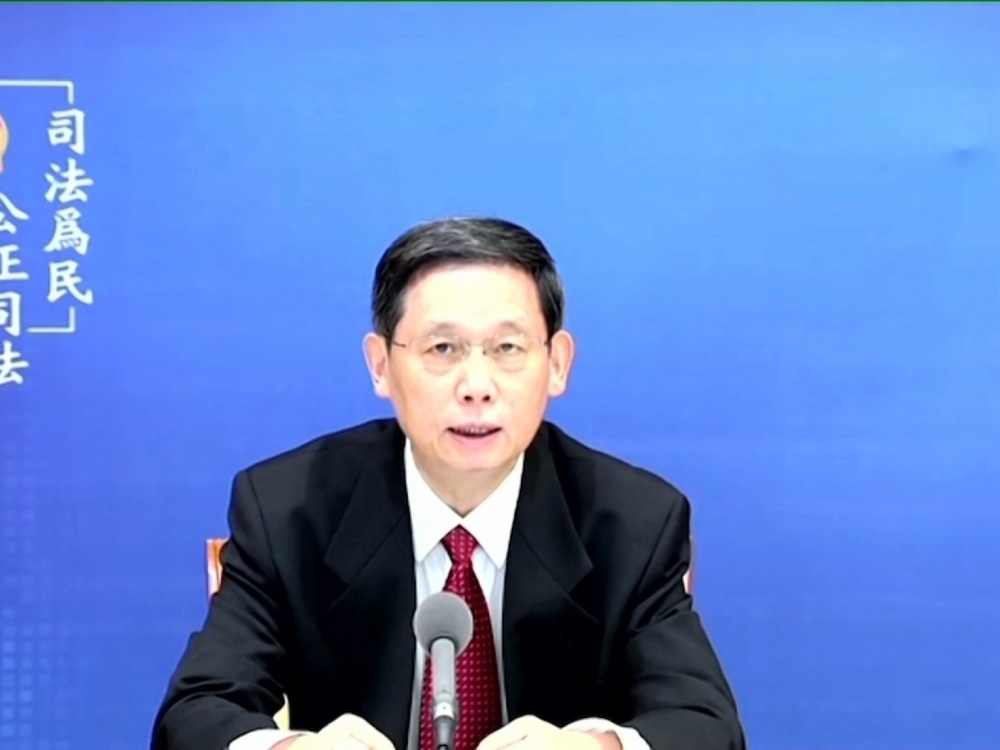
The vice-president of China’s Supreme People’s Court has reiterated that Hong Kong’s national security law will only give people more freedom, but after an one-and-a-half-hour online forum on mainland's justice system, many key questions in relation to suspects’ rights and the role of mainland courts remained unanswered, RTHK reports.
At the event, organised by the pro-government think tank Our Hong Kong Foundation, Jiang Wei spoke at length about mainland judicial systems reform and innovation, which he said had made justice more accessible to the people.
He said that on the mainland, law-enforcement agencies are strictly prohibited from extorting confessions by force, and court proceedings are being streamed online so that not only stakeholders, but the wider community can scrutinize the process.
Several video clips were played in between his speech to explain the modernization of the judicial system on the mainland.
His speech was followed by a question and answer session, where reporters were to type in their questions to be read out by the host.
Several local media sent in questions about the national security law.
One asked Jiang whether lawyers practising in Hong Kong would be allowed to defend suspects brought across the border and tried on the mainland.
Another asked what preparations the top mainland court is making to handle possible national security cases from Hong Kong in future, whether common law principles will be considered by mainland courts, and in that case, whether mainland judges familiar only with civil law system will need to receive further training.
A reporter also asked whether China has any follow up plans now that countries including the UK and the US have canceled their extradition arrangements with Hong Kong.
The host did not pick any of these questions, but did ask Jiang to explain the merits of the national security law, as well as how mainland laws manifested the principle of being “people oriented”.
ADVERTISEMENT
SCROLL TO CONTINUE WITH CONTENT
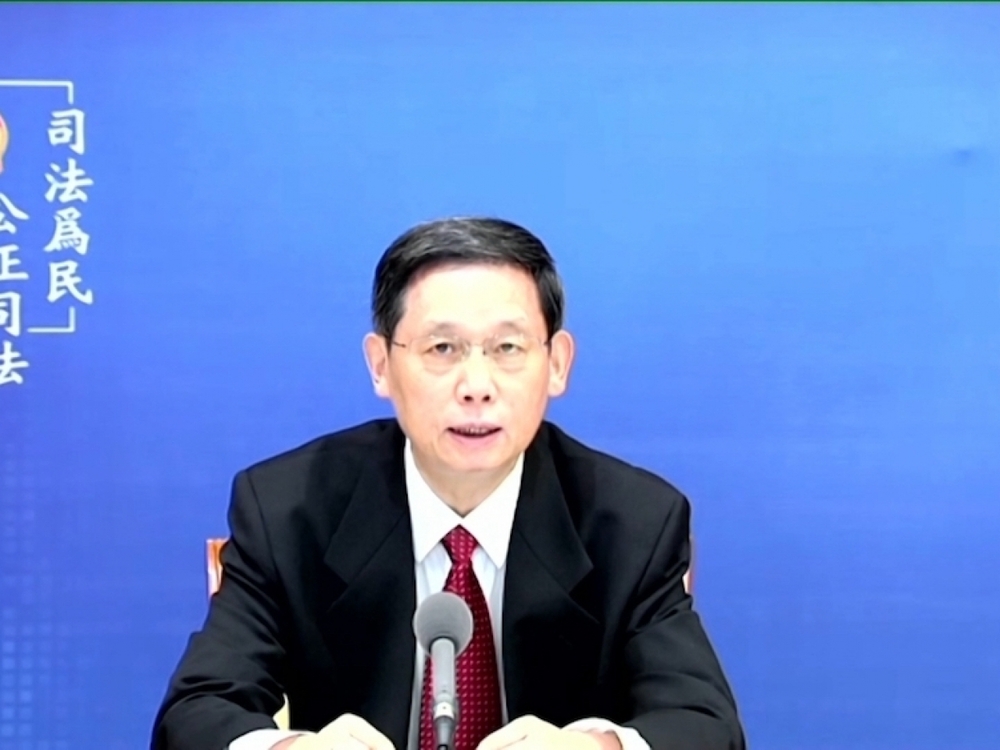
Jiang Wei, vice-president of China’s Supreme People’s Court, at an Our Hong Kong Foundation, event.