You might own amber accessories because of their attractive patterns, but you will appreciate the gem more if you learn about its history.
ADVERTISEMENT
SCROLL TO CONTINUE WITH CONTENT
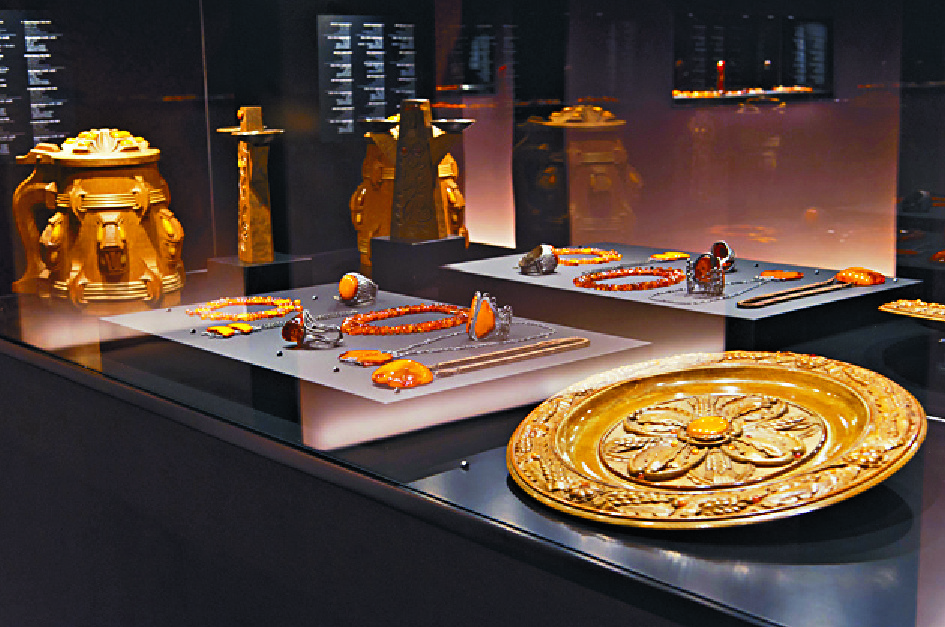
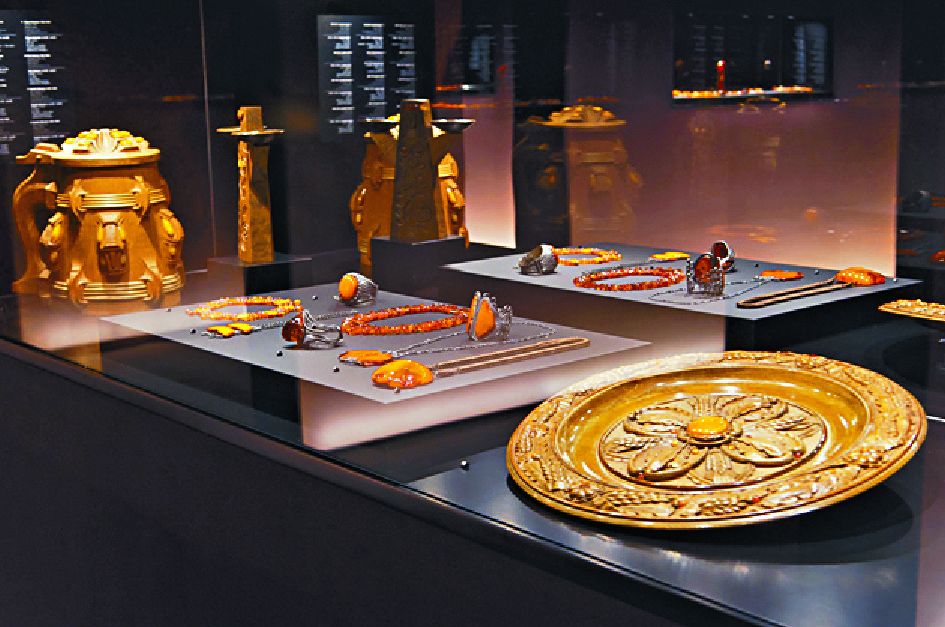
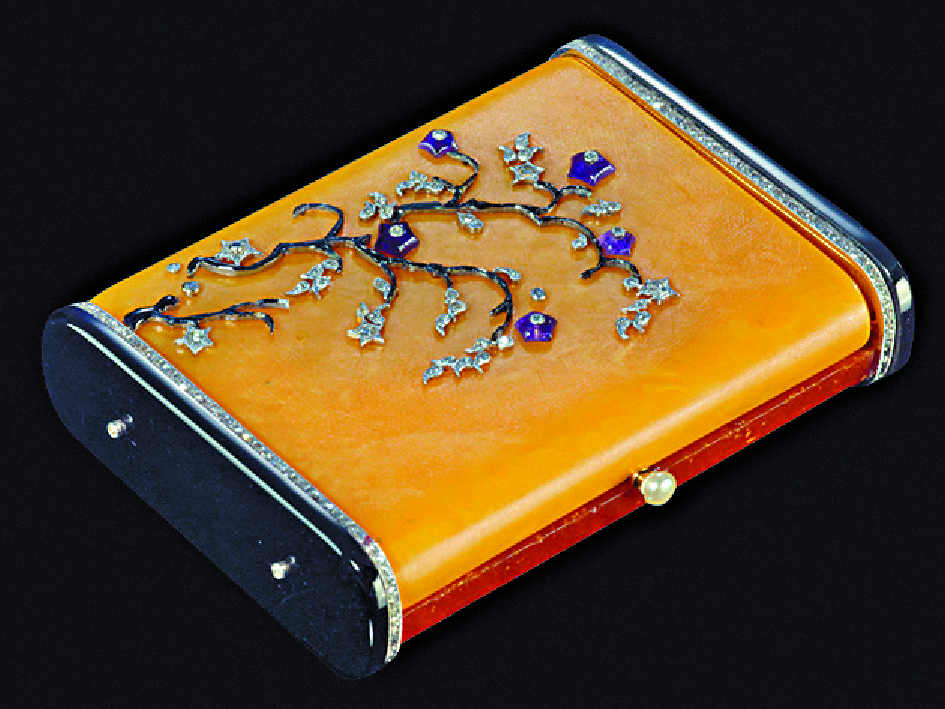
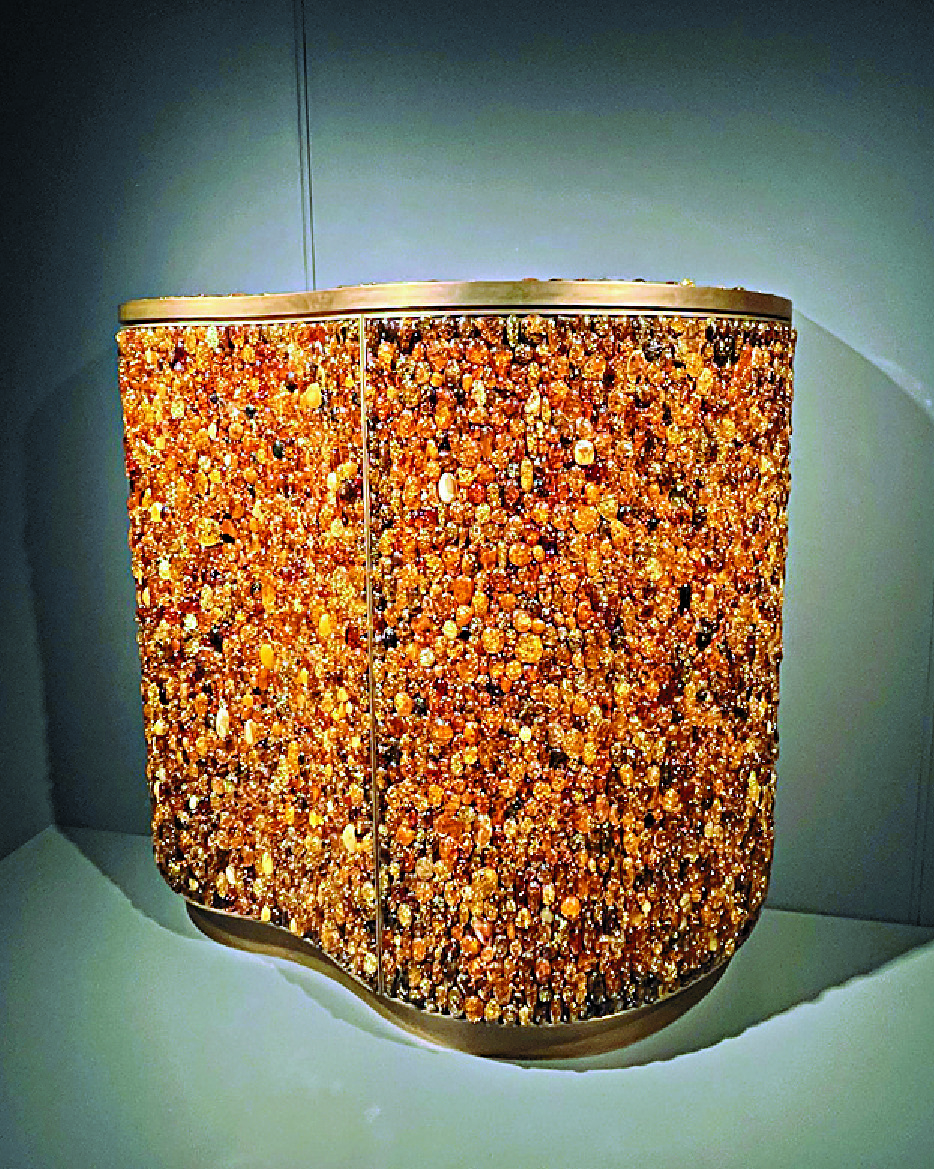
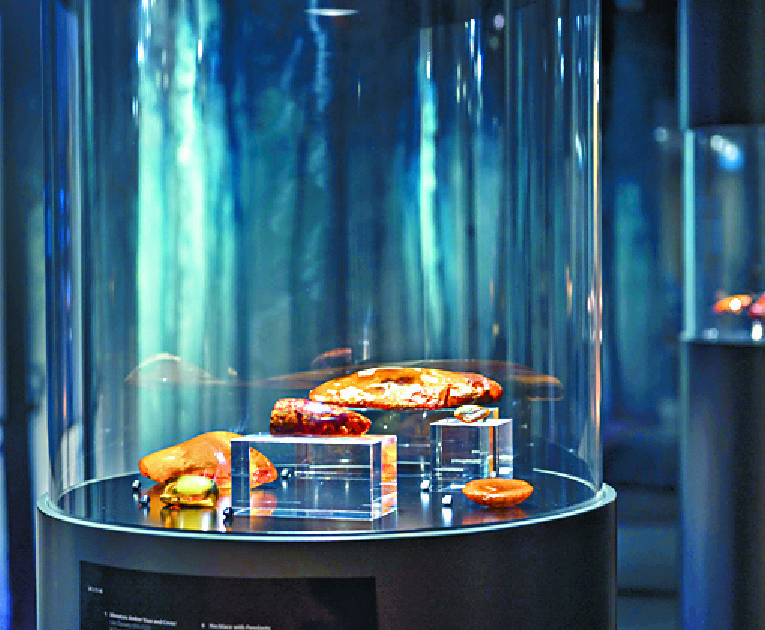
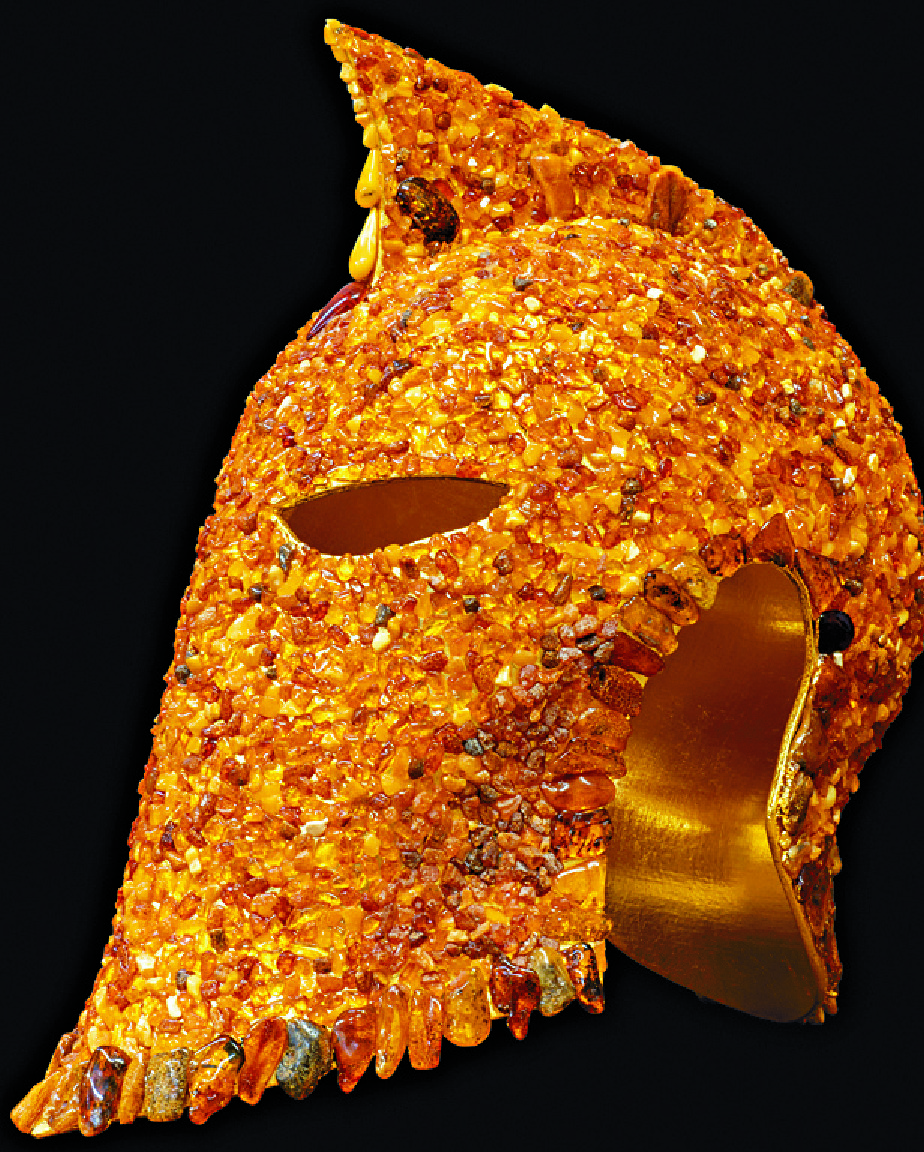
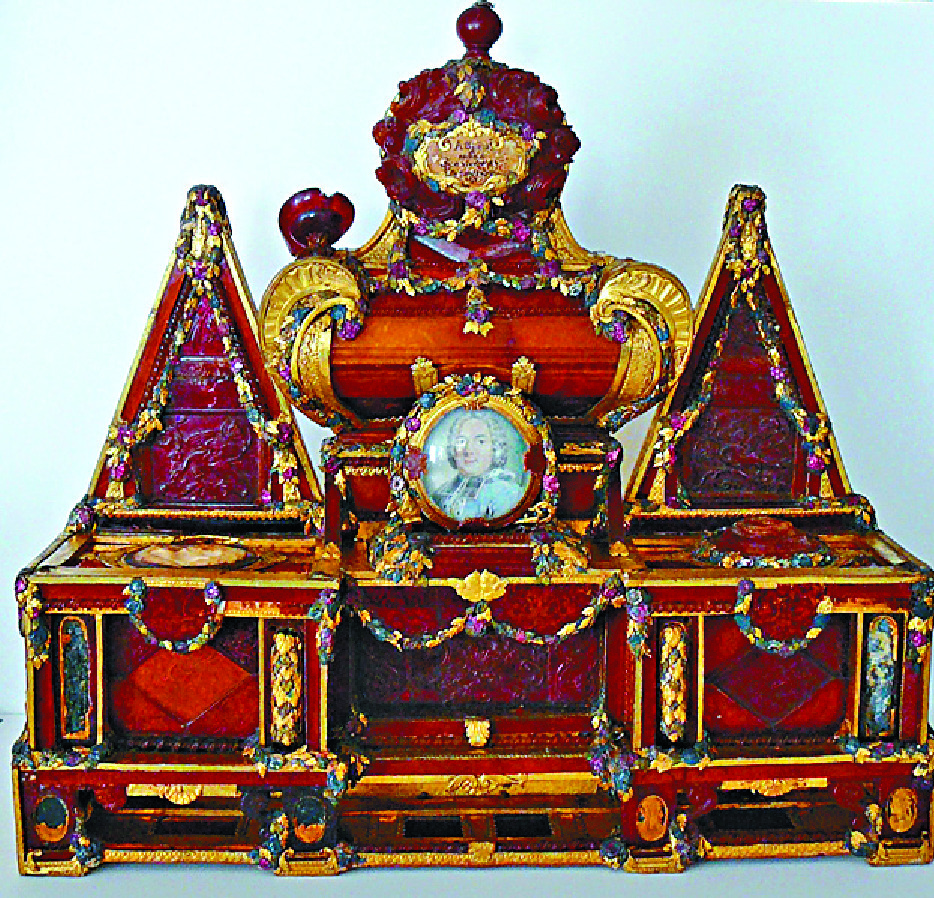
From ancient amber cultural relics to contemporary decorations, the exhibition Amber: Baltic Gold shows 240 amber artworks, which will take you to experience amber's artistic history in the past 3,000 years.
Amber is fossilized resin originating from extinct coniferous trees. Typically yellowish in color, it has been used in jewelry since antiquity.
Isabelle Frank, curator of the Indra and Harry Banga Gallery, said: "Amber's history has been wrapped in mystery. It was thought to be a mineral for thousands of years, but it was also believed like many gemstones to have magical properties, medicinal properties."
Not only is it valuable in itself, it has also sparked off many political and cultural changes from different ages.
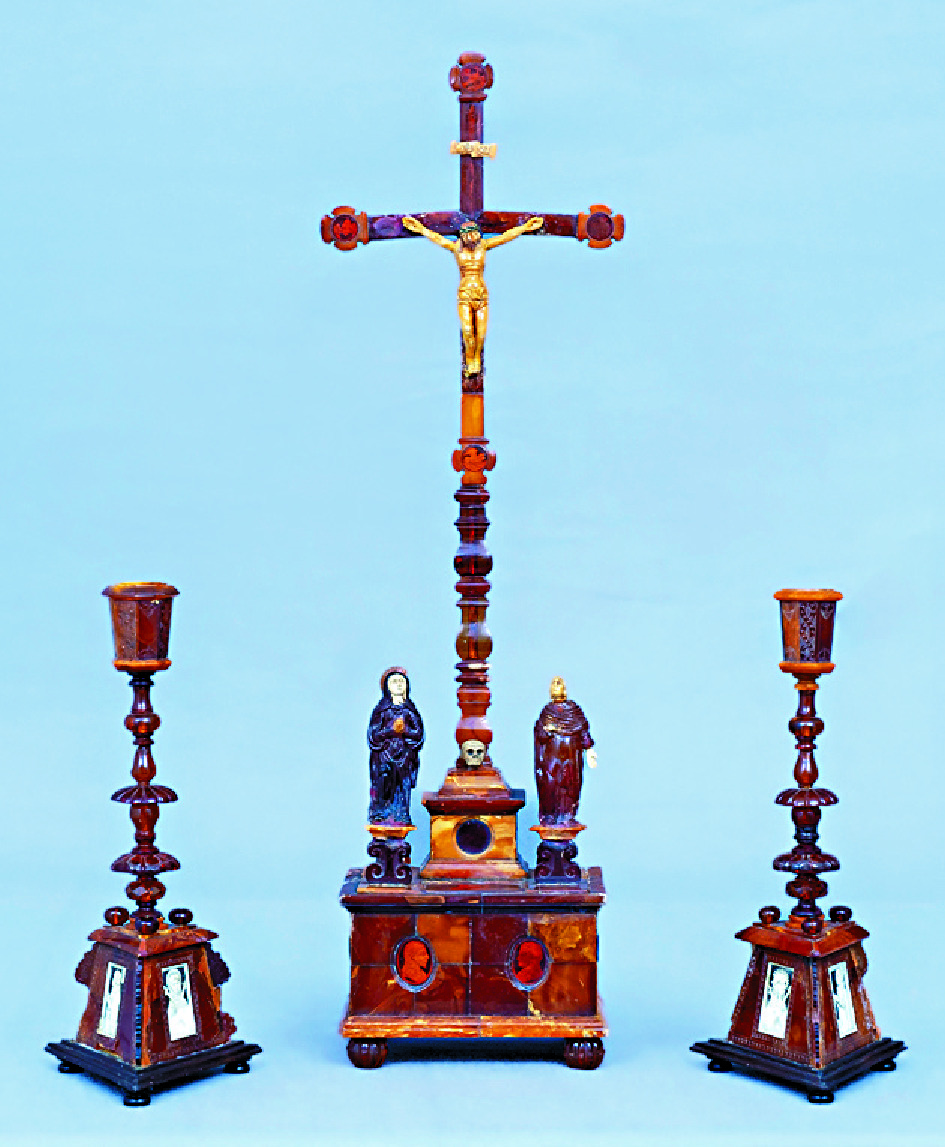
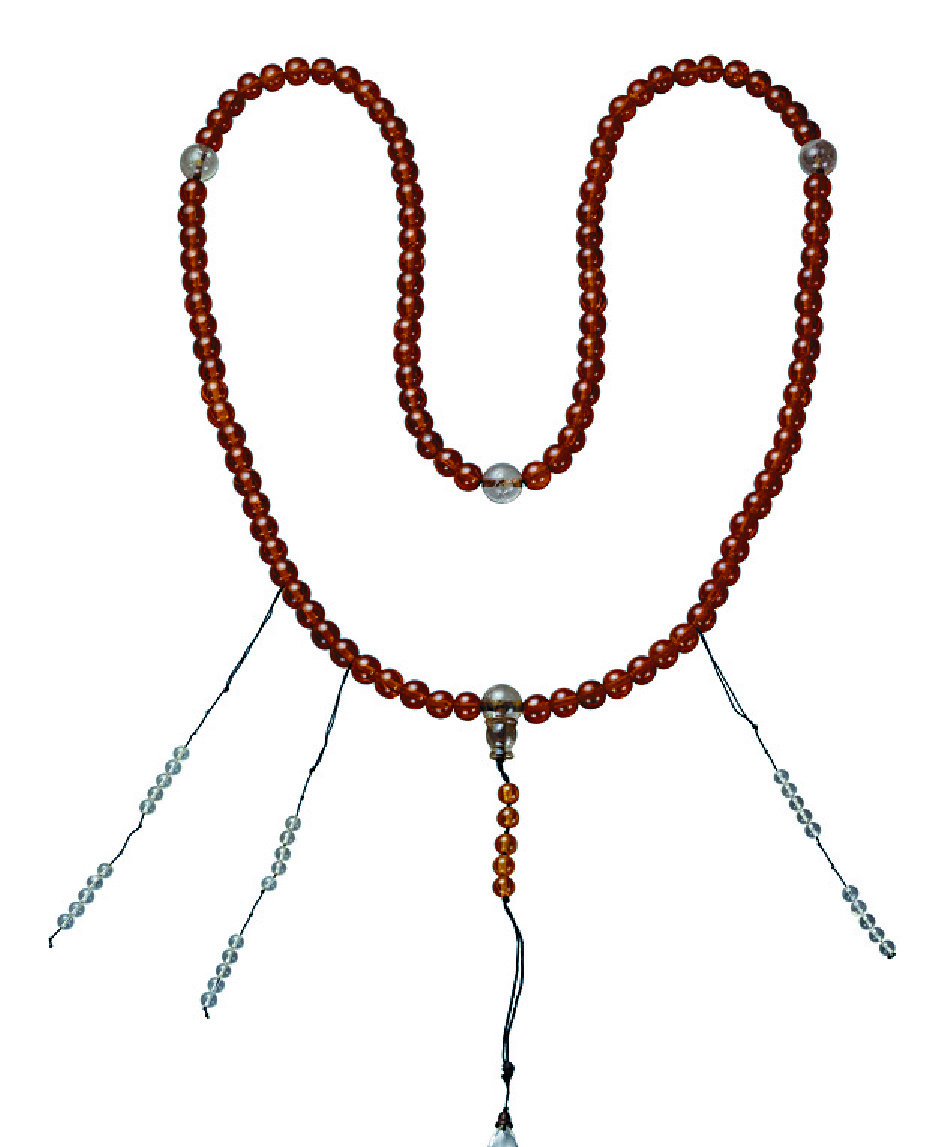
Some religious amber artifacts, such as rosaries and chaplets, are presented in the exhibition. Frank explained that the wars of religion affected the amber trade in early modern Europe.
The demand for religious amber artifacts increased in Catholic states. A good example is Spanish Style Crucifixion. The reliquary with amber contains preserved parts of a saint, and the secret object people venerate. "You can see some bones, and somebody is ripping out different prayers. They would be saying which saints these bones are from.
"However, the Protestants rejected the use of rosary beads and reliquaries, so they focused on secular objects, including little statues and fantastic bowls," Frank added.
The style of amber also reflected the difference between European and Chinese cultures.
Unlike 19th-century European designers who wanted to retain the original shape of the stone, Chinese artists turned raw amber into miniature creations such as pendants and necklaces that catered to the tastes of the elite.
Archaic-style Shou Vases is a wood stand showing the carving skills of craftsmen.
Said Frank: "Qing artworks demonstrate great technical mastery. If you look closely, you can see inside the outline of the vase they've carved out."
Apart from decorative purposes, fossilized amber provides valuable information for scientists. Visitors are invited to observe the virtual rendering of insect fossils by using 3D glasses.
"Amber can entrap insects, and scientists can determine their species to understand the evolution of early life. We use 3D virtual images because it can allow scientists to study amber without destroying animals," Frank said.
In addition to this precious amber, fake amber's deceptive appearance may draw your attention. At the end of the exhibition, try to distinguish the true from the false in the presentation space.
Frank explained how to recognize natural amber in some traditional ways. "In the old days, you could test it, and real amber is extremely light and floats in water. Also, it would smell with a pine-cone odor when you put a flame on it."
However, contemporary fakes are much more difficult to test. "Amber powders can be created with different machines. Amber will melt at a relatively low heat, so it's possible to mix it to present a semi-fake amber."
The curatorial team put ultraviolet light into the display cabinet to present different types of amber. You will find that only blue or green colors are amber under ultraviolet light.
"We are fascinated by amber, but it is almost of a magical world. So we want to show an intriguing story of amber in different cultures and societies," said Frank.
Amber: Baltic Gold is showing until April 11 at City University of Hong Kong's Indra and Harry Banga Gallery.