The increasing number of road accidents involving vehicles hitting road barriers reminded me of how barriers were designed and located.
Up until the late 1950s, crash barriers were not part of our highways. I still remember my fears whenever my father drove on waterfront roads such as Gloucester Road in Wan Chai and Tai Po Road in Sha Tin, with the seafront right next to the road. I feared any lack of care could see our car plunge into the harbor.
Miraculously, such occurrences were rare in those days, probably due to the vigilance of drivers and their abundance of caution with vehicle speeds.
These days, barriers are ubiquitous on our suburban highways but some vehicles keep hitting them, causing severe damage to both the vehicles and their occupants.
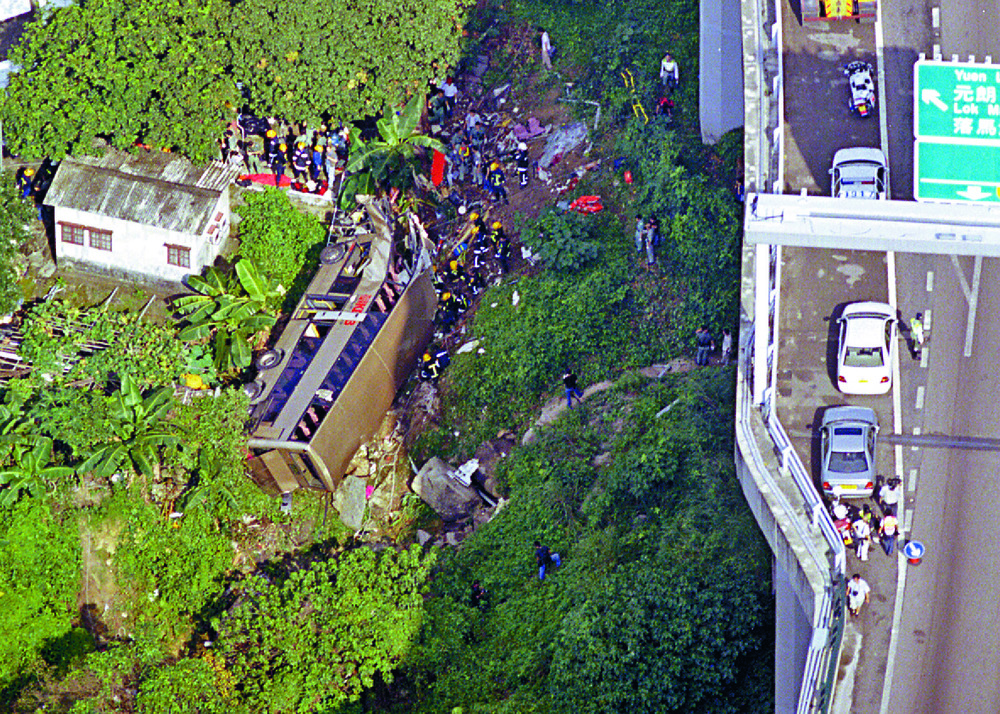
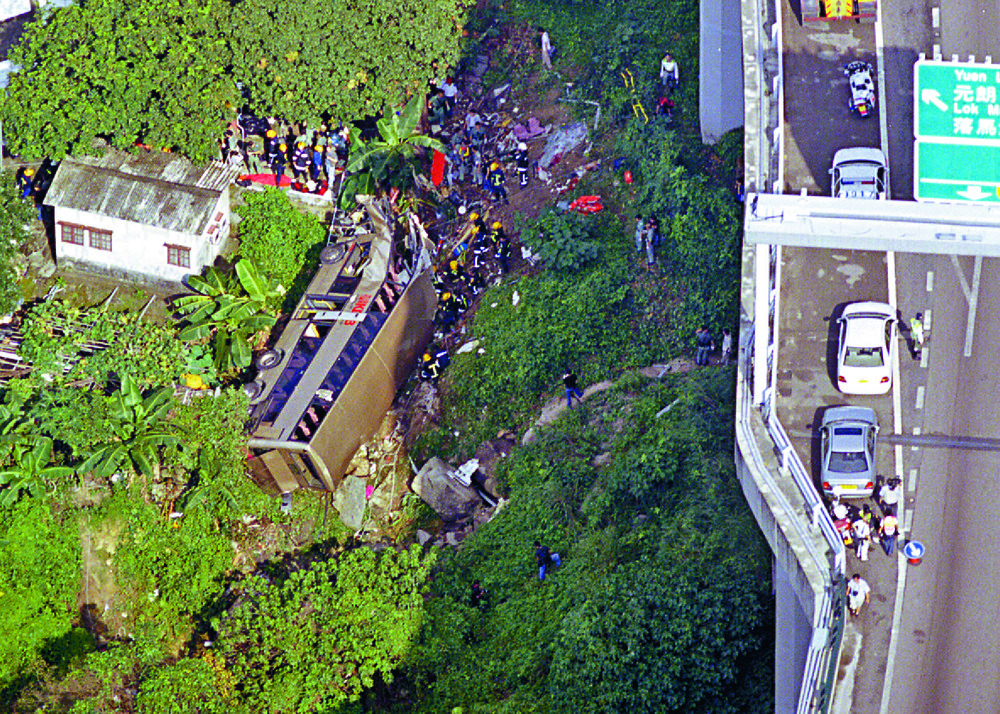
The notorious incident of a double-decker bus crossing over a section of barriers in 2003, causing 21 deaths, prompted a study of their effectiveness and why they failed to prevent the bus from falling off the highway and down a hillside.
Highway design experts soon pointed out that the purpose of barriers is to protect vehicles from unnecessary damage when they hit them. Vehicles come in a variety of sizes and weights and no single type of barrier can cater for all of them.
The primary purpose of barriers is to provide a controlled rebound for vehicles when hit, allowing them to get back on the road and to their previous direction of travel.
Unfortunately, vehicles come in different sizes and weights and though barriers can cater for most vehicles, there are invariably those that they cannot protect.
Highway research laboratories found that barriers with too strong a structure - in order to protect heavy vehicles - could cause a strong rebound force for less heavy vehicles, projecting them back to the highway lane, resulting in more severe damage to them and nearby vehicles.
Most public works designs are compromises.
Rigid barriers constructed with reinforced concrete effectively prevent vehicles from crossing over, hitting buildings, valleys or other hazards such as dangerous goods stores. But should a vehicle hit a rigid barrier, it will likely bounce back on the highway, hitting other vehicles.
Semi-rigid barriers, such as those made of corrugated steel, cater for regular-sized vehicles, but will not be able to hold back heavy lorries and buses.
Flexible barriers, made using cables, are deployed on suspension bridges as they are lightweight and can hold back most vehicles hitting them, but again cannot cater for very heavy vehicles.
There are also other locations that road barriers cannot be built, such as on major urban roads like Nathan or Des Voeux roads. It would cause serious inconvenience to pedestrians and may unnecessarily shield shopfronts from view. But the danger of vehicles crashing remains.
Engineering designs are often compromises and may not be able to serve every purpose.
A balanced approach will protect most of us, but those who blatantly break traffic laws will cause damage not only to themselves, but to other innocent people. In the end, due care and attention on the part of drivers and pedestrians are vital in preserving road safety.
Veteran engineer Edmund Leung Kwong-ho casts an expert eye over Hong Kong's iconic infrastructure
The 2003 Tuen Mun Road traffic incident prompted authorities to study the effectiveness of road barriers. Sing Tao