Read More





Is the AI boom turning into a bubble? | Zero Shot Inference | Allen Au
20-08-2026 05:08 HKT


IT manager sentenced to 22 months for stealing $1.2m in Deloitte laptops
21-08-2026 21:49 HKT



At Google Cloud Next ’26 last month, much of the discussion centered on the rise of “agentic AI” and what it means to scale intelligence across the enterprise. For Towngas, one foundation remains unchanged: how we govern the cloud.
Cloud governance is often viewed as a constraint on innovation. In practice, it is the very mechanism that allows innovation to scale securely, operate reliably, and remain clearly accountable. In cloud transformation, the principle is simple: slow is smooth, smooth is fast. When expectations are defined early and controls are embedded from the outset, teams spend less time addressing issues and more time creating value.
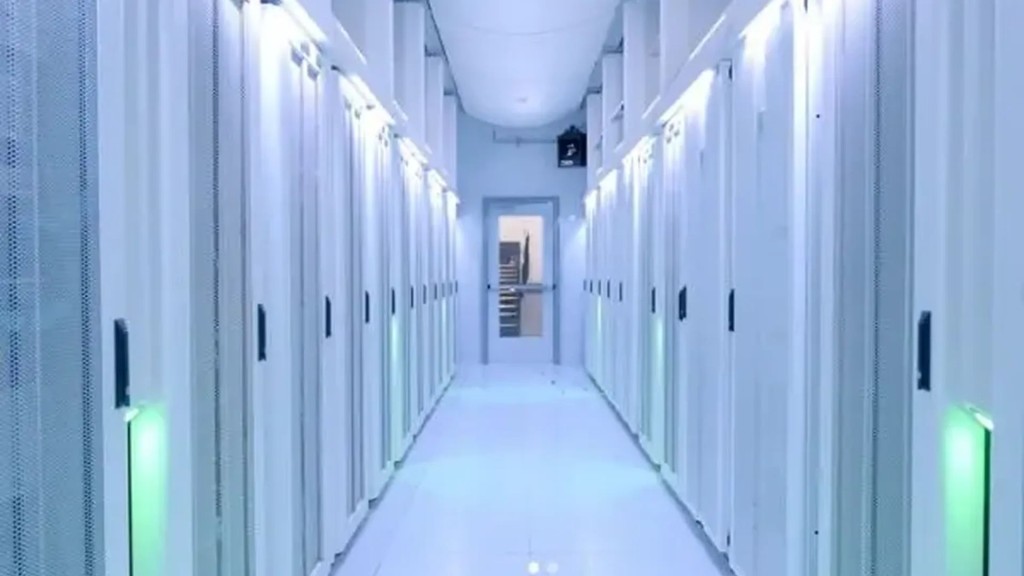
Our operating model is already hybrid. We run critical services in our own environments, including Towngas Telecom’s private cloud, while leveraging the public cloud where it delivers clear advantages, such as for capacity and artificial intelligence workloads. In this model, governance is not a technical overlay. It is a business framework that enables modernization with confidence.
This matters because Towngas operates across Hong Kong and the mainland. Our systems and data are closely connected to customers, infrastructure, financial stability, and business continuity. In this environment, cloud decisions cannot be driven by technology preference alone. They must be guided by governance: what data may reside where, which workloads must remain close to operations, and who is accountable for the associated risks.
That is why hybrid cloud is the right model for us. Sensitive data and core operational services can remain in private environments, while the public cloud is used selectively for flexibility and scale. The value of governance lies in consistency. The question is not simply which cloud to choose, but which services can run where, what level of control is required, and who owns the risk.
We see this clearly in our finance transformation journey. As platforms such as enterprise resource planning move from on-premises to the cloud, governance becomes preventive rather than reactive. Controls are built into the way platforms operate, supporting faster standardization and stronger integrity across the group.
The benefits are not abstract. Strong governance improves clarity in data and reporting, enabling teams to act decisively rather than reconcile discrepancies. It strengthens continuous assurance, helping security and compliance keep pace as we scale. It also enhances transparency, giving leadership better visibility into usage, cost, and risk.
At the enterprise level, this reduces fragmentation and supports more responsible use of resources, including high-cost capabilities such as AI compute. It also aligns with our broader commitments, including supporting Hong Kong’s 2050 carbon neutrality goals and the National 15th Five-Year Plan through smarter resource management.
Ultimately, Towngas is not pursuing the cloud for modernization’s sake. Our objective is to build a governed hybrid platform that scales digital and AI capabilities responsibly, without compromising trust. For investors, regulators, and customers, that means transparency, timeliness, and control. For our teams, it means fewer surprises and faster execution.
In the end, the real test is not the scale of change, but the speed with which an organization can absorb it, adapt, and move forward. When speed, trust, and control advance together, the cloud becomes more than infrastructure. It becomes a strategic advantage for sustainable growth.
Edmund Yeung is the ED & CFO of Towngas