A column I wrote a few weeks ago described the close similarities between the functioning of human teeth and an engineering system.
Let me explore this further by studying how decayed teeth can be repaired and how such dentistry is closely related to engineering.
Tooth decay is caused by bacterial action on the enamel surface.
It forms acid that attacks the enamel, causing cavities and exposing the layer of dentin and even the inner pulp that houses the nerve endings.
This is similar to the corrosion and rust that we see in building structures or machine components.
Neglecting maintenance needs will end up in a disastrous failure if not properly and routinely inspected.
Fortunately, toothache is an effective alarm system that notifies us of decay in a much more effective way than metal corrosion, which can only be detected by sight.
Like rust in steel structures, early signs of tooth decay can also be seen as plaque on the enamel surface.
The most common solution to repair partly decayed teeth is by drilling and cleaning out the decayed part of the tooth and replacing it with fillings, which are made of engineering materials with properties comparable to enamel, such as amalgam.
They are chosen for the ease with which they can be formed and secured and for hardness and toughness that match human teeth.
The process of drilling and filling for the adjustment of teeth alignment is akin to the machining and bracing of metal components, but of course, to work effectively in the human oral cavity, they are much smaller and require high precision.
The most notable tool is the handpiece, which is the drilling machine that patients normally see.
The previous generation of belt-driven devices with arms and joints, like a robotic arm system, has now been replaced by compressed air-driven, high-speed devices.
They are much quieter and nimble and, thanks to higher rotational velocity, cause much less pain and inconvenience as removing the decayed enamel and dentin can be done much faster.
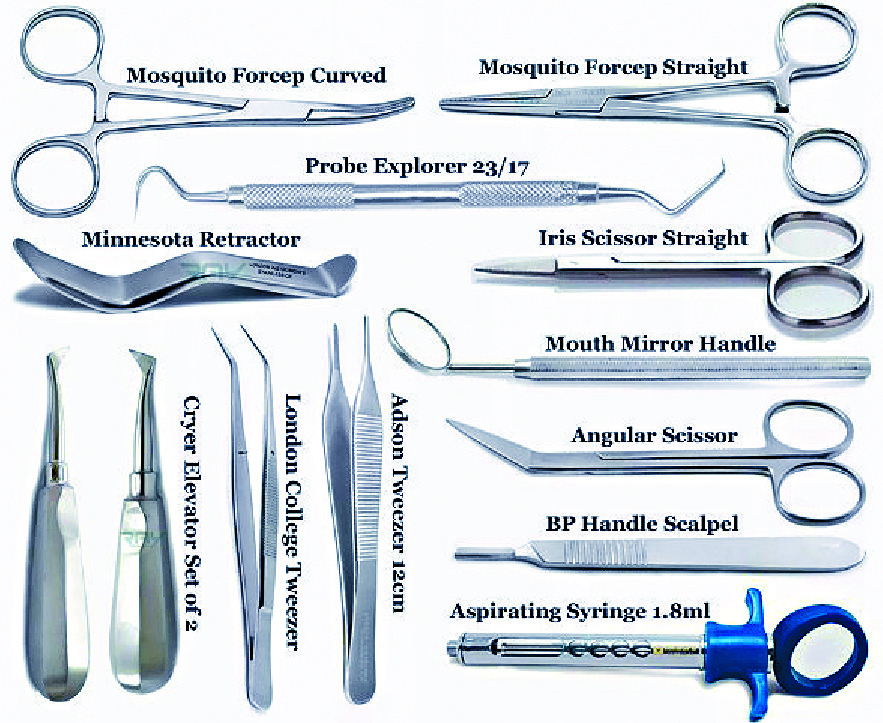
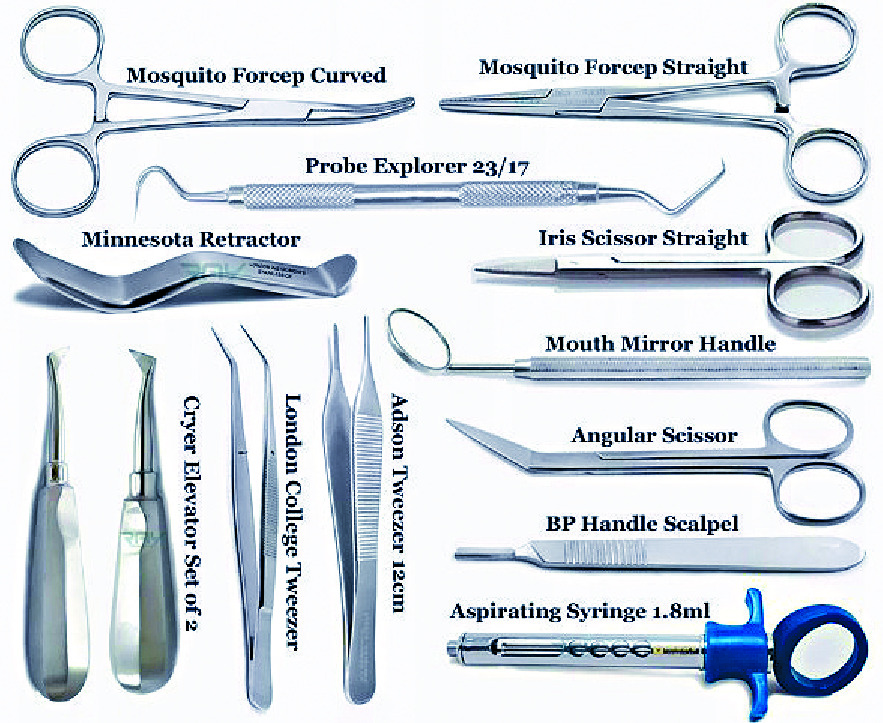
Other tools include diagnostic instruments such as mirrors, probes and explorers; restorative instruments such as excavators and burnishers; endodontic instruments such as files, reamers, spreaders and pluggers; prosthodontic devices such as impression trays, wax spatulas and articulators and periodontal devices such as scalers, curettes and knives.
These are precision professional instruments carefully engineered for dental procedures.
These numerous specialized tools aside, the dental chair is a key component for dental inspection and treatment.
It is a sophisticated piece of machinery that allows the patient to recline from a normal sitting position to lying down comfortably at different heights and inclinations.
This is critical to a dental surgeon's ability to perform inspections and execute precise operations while maintaining proper posture.
The chair has many accessories, with the most important probably being the dental light, which has multielement lights to eliminate shadows and is equipped with a dimmer to ensure an appropriate lighting level for inspection and operation.
Other accessories include an air-water syringe for irrigating and drying and cup holders and spittoon bowl. The chair can be controlled through a panel or with foot controls to free up the hands during operations.
All this equipment requires expert engineers to install, including the necessary electric and water connections.
They also need to be maintained in proper working order to allow a dental surgeon to work effectively.
Engineers and their associated technicians are behind the scenes everywhere, working industriously to support and serve medical and dental professionals.
They help them with inspection, diagnosis and surgical operations, ensuring high accuracy and efficiency to cure whatever may go wrong with the human body, while maintaining a high level of hygiene and safety to protect the health and wellbeing of everyone.
Veteran engineer Edmund Leung Kwong-ho casts an expert eye over
features of modern life