Commodities trading represents a vital opportunity for Hong Kong’s economic development. Backed by the Chinese mainland – the world’s largest supplier and consumer of non-ferrous metals – and supported by national strategies, the rising demand for risk management and supply chain resilience, as well as the city’s well-established market institutions, Hong Kong is uniquely positioned to become an international commodities trading center.
Yet, a successful commodities hub cannot rely on trading alone. As Financial Secretary Paul Chan noted during LME Asia Metals Seminar 2026, it requires a “whole-of-ecosystem approach.” The priority now is to deepen our market foundations into a full-fledged ecosystem that serves the real economy and strengthens Hong Kong’s role in international commodities trading.
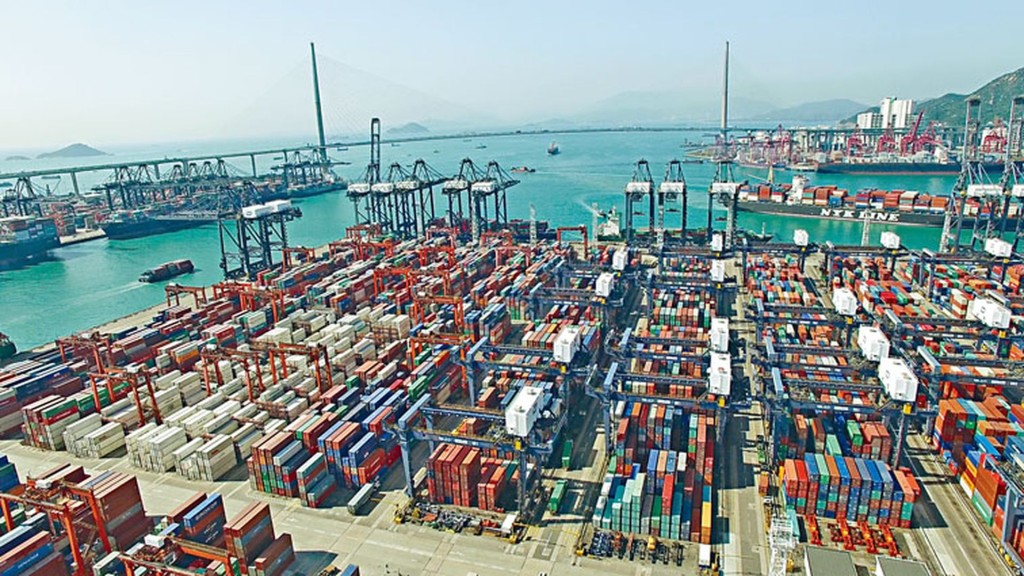
A robust physical market is the foundation of any commodities hub. Amid geopolitical volatility and logistics disruptions, Hong Kong’s strategic location and connectivity with the Greater Bay Area uniquely position us to strengthen supply chain resilience. While increasing our London Metal Exchange-approved warehouses to 15 is encouraging, capacity remains modest compared to the practical needs of regional manufacturers.
To address this, Hong Kong must further expand its warehouse capacity. Recent discussions with industry players indicate that leveraging the Northern Metropolis development makes Hung Shui Kiu an ideal strategic location for new LME warehouses. This move would significantly enhance our delivery, inventory management, and regional distribution capabilities. Furthermore, adopting technologies like blockchain will improve traceability and the overall competitiveness of our infrastructure.
Beyond physical infrastructure, Hong Kong must strengthen its trading and risk-management functions. Currently, many commodities markets remain anchored in Western trading centers and currencies. For Asian manufacturers and traders, this time-zone and currency mismatch heightens their exposure to price volatility and foreign-exchange fluctuations.
Hong Kong can bridge this gap by enriching its commodities derivatives and anchoring more products to the offshore Renminbi, also known as CNH. This would better support hedging and arbitrage within the Asian time zone, providing mainland and regional enterprises with a more relevant and efficient platform to manage commodity-related risks.
Professional services, particularly in quality inspection and dispute resolution, are equally essential. Commodities trading is highly technical, involving complex standards for product quality, origin, and storage. Resolving disputes requires a specialized understanding of both commercial practices and technical nuances.
Hong Kong’s common law system, arbitration expertise, and trusted institutions provide a strong foundation here. The government’s study with the International Organization for Mediation to establish a dedicated roster of commodities mediators is a positive step. Moving forward, expanding our quality inspection, certification, and arbitration services will reinforce Hong Kong’s role as a trusted market platform.
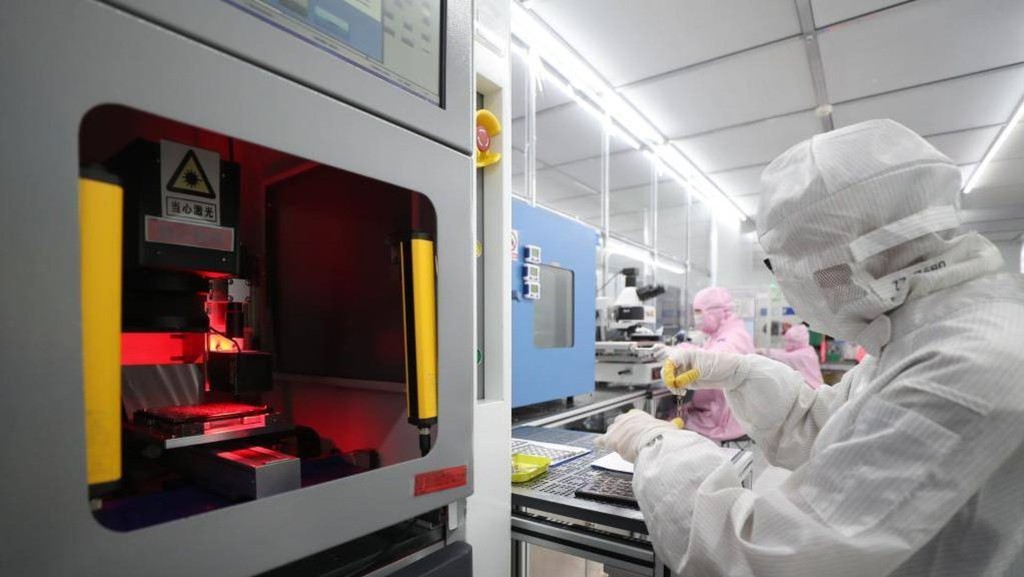
Deepening this ecosystem will cement Hong Kong’s strategic role in global supply chains. By doing so, we can attract metals processing enterprises to base their operations here, injecting fresh momentum into the government’s drive for new industrialization. Equipped with expanded physical delivery, broader risk-management tools, and advanced professional services, Hong Kong will better serve these Asian manufacturers while unlocking a powerful economic growth engine. We must now turn market potential into true ecosystem depth.
FHKI is a statutory body with over 2,000 members in Hong Kong from 33 industry groups set up through a legislative procedure, over 1,000 members in the GBA, and over 100 members in ASEAN