Read More
One of the most important elements of our health is dental care. Some of us understand the vital importance of brushing twice a day from our time in kindergarten. 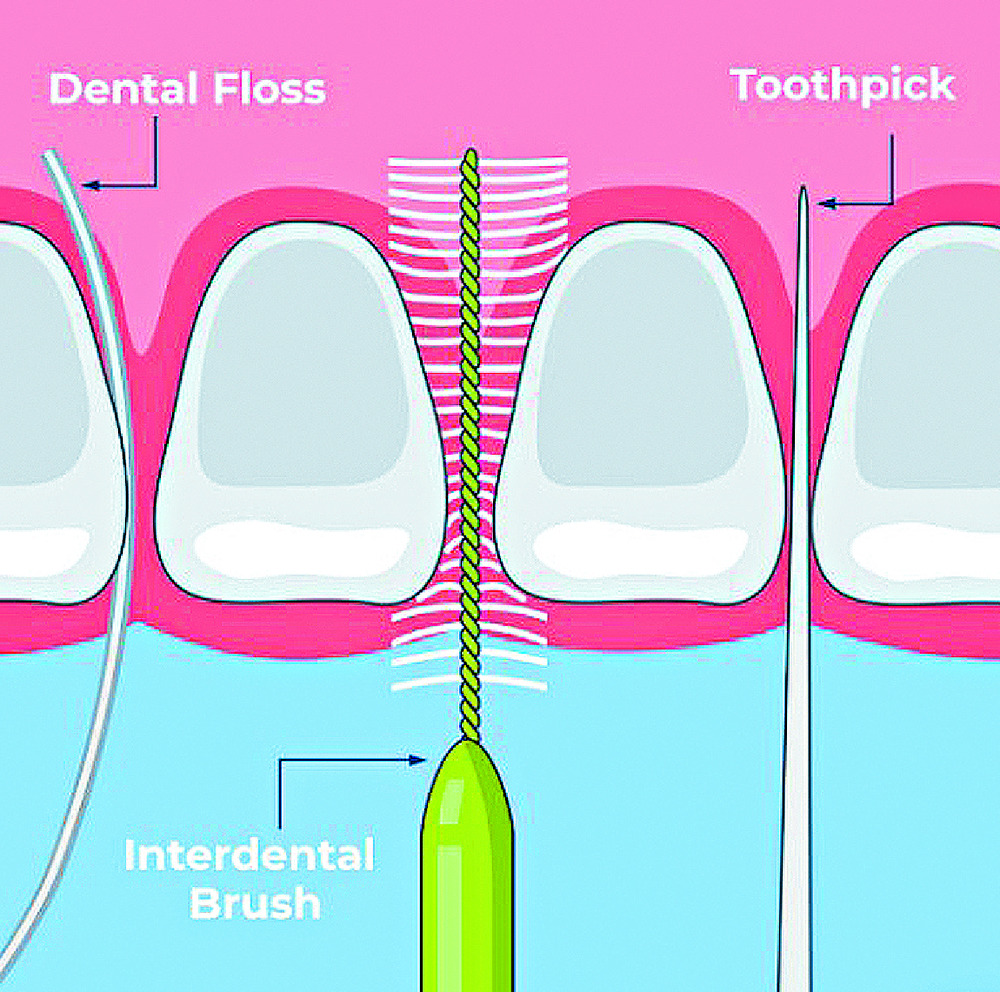
Properly done, it not only ensures our teeth is in good order but also prevents decay and ensuing painful and expensive remedial treatments.
ADVERTISEMENT
SCROLL TO CONTINUE WITH CONTENT
But we tend to take the technical features of cleaning equipment for granted, such as toothbrushes, dental floss and the recent popularity of interdental brushes.
In the old days, we used just toothbrushes made of bristles.
They helped keep our teeth bright and white, especially when the appropriate toothpaste was used but were not effective in cleaning the crevices in between.
But those interdental spaces are, unfortunately, where we need to keep clean the most.Failing to do so often results in decay and gum inflammation.
The past two generations suffered a lot from these problems and people often ended up with most of their teeth extracted and replaced with dentures, weakening their ability to enjoy good food, especially those that require some chewing.Way, way earlier cleaning devices were just twigs and leaves, and when the toothbrush was invented the first ones were made with swine bristles embedded in straight wood handles.
Modern toothbrushes are designed for efficient cleaning, with nylon bristles and plastic handles of different shapes and sizes to suit different grips and ways of brushing to reach most parts of our teeth.The heads can be contoured and shaped for best comfort to reach all parts of the teeth and gums.
The newest variations have different grades of bristles arranged in patterns so that stiffer ones clean the teeth effectively while softer varieties massage the gums.With battery-driven devices these days there is wider use of electric toothbrushes, either the sonic or the rotating type.
The sonic toothbrush vibrates from 20,000 to 40,000 times a minute and can clean more than one tooth at a time.The rotating brush spins at around 8,000 times per minute but are more effective in cleaning individual teeth.
The jury is still out on which is a better tool, but both are considered more efficient than the traditional manual brushes by dentists.Both types of electric toothbrush are highly technical devices.
The compact electro-magnetic and mechanical components powered by rechargeable batteries are all fitted in the handle to provide power to vibrate the brush head.The battery allows the brush to be used for weeks without having to recharge.
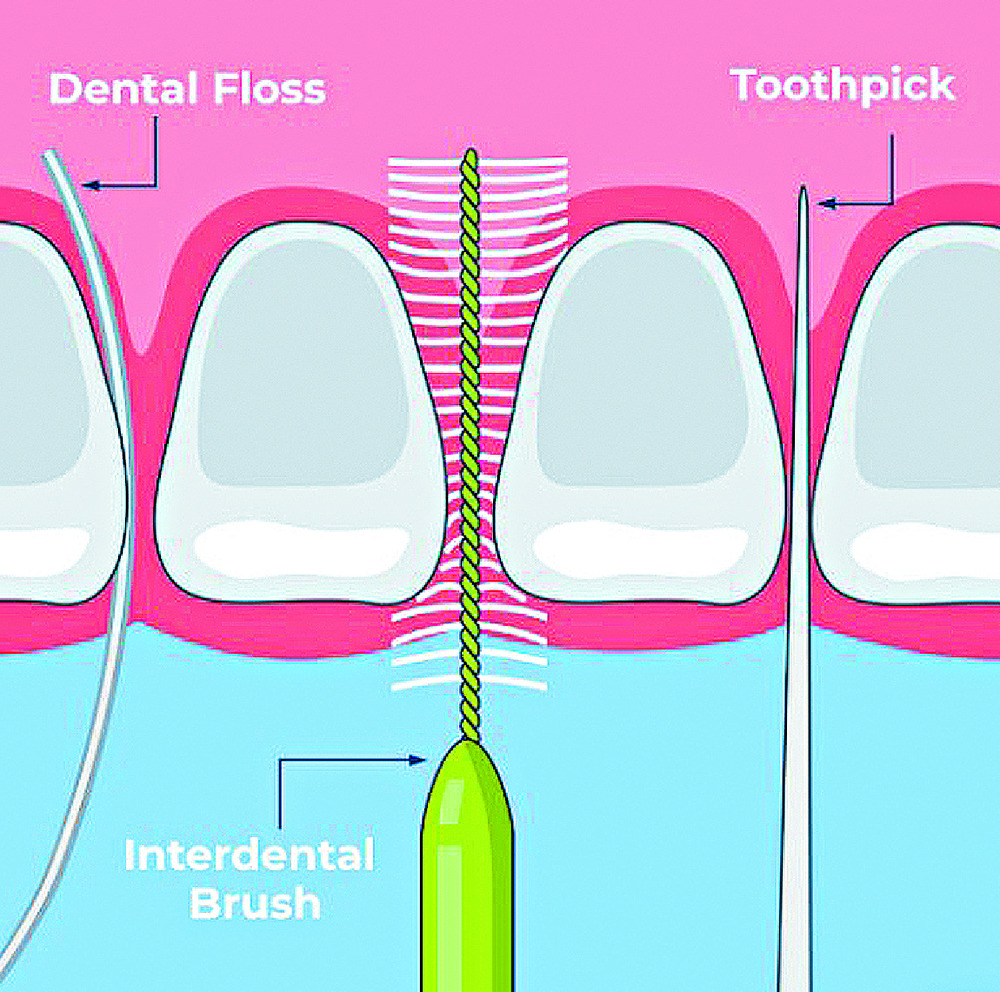
To complement toothbrushes, dental floss and interdental brushes help to clean between teeth much more effectively, especially parts near the gum.Modern dental floss has evolved far beyond simple cotton threads that were used in the past century.
Research and development on fabrics has created a tough thread base for effective cleaning with a coated surface for smoother action.While dental floss is relatively simple, interdental brushes are much more sophisticated.
These brushes have tiny bristles mounted on thin steel wire strands.A variety of sizes and angles of reach are available to suit the width and layout of various teeth crevices.
The development of effective teeth cleaning tools is a joint effort between dental surgeons and engineers.Once again, it clearly demonstrates the hard work of engineers behind the scenes to provide solutions to problems, be they in transport infrastructure, production facilities for high-tech systems, or biomedical applications.
Dental equipment is just one clear-cut example of how effectively they serve us.Veteran engineer Edmund Leung Kwong-ho casts an expert eye over
features of modern lifeDental care has seen, clockwise from far left, a German, in a throwback to the Middle Ages, use a brush made with fir bristles; discarded toothbrushes found by activists at a Shandong beach last month; a smart toothbrush; a child getting a look at wh