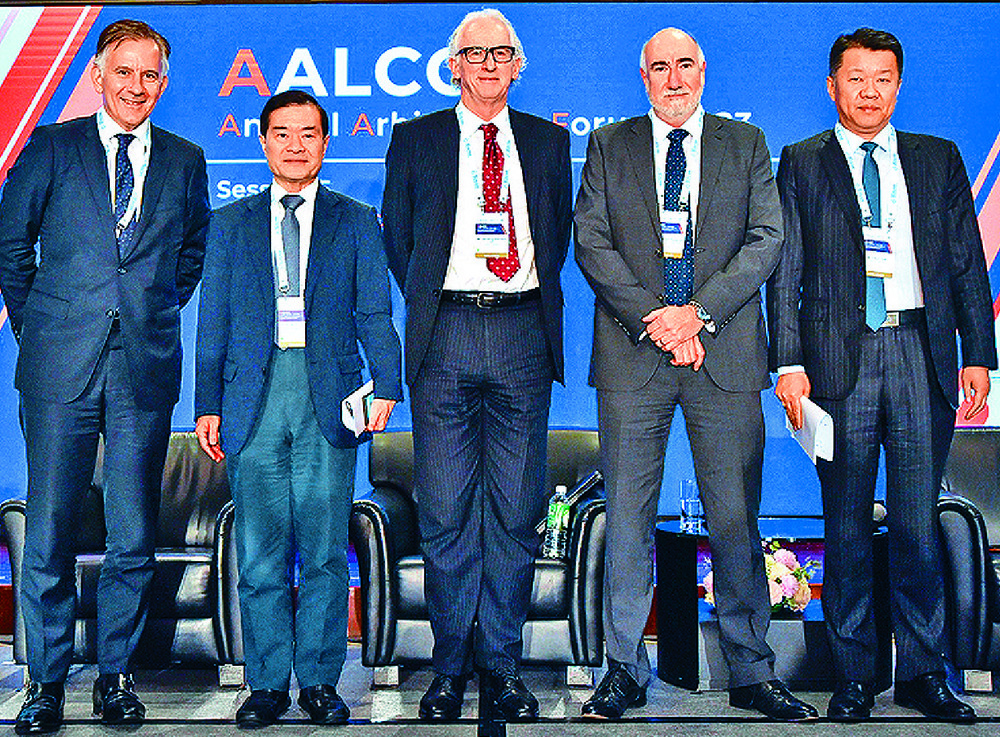
At our recent AALCO annual arbitration forum, leading speakers from around the world shared the consensus that environmental, social and governance issues are important but that definitions, standards and guidelines at present differ across different regions and a shared global success would require harmonization of definitions, standards and guidelines.
Given that multinational corporations by definition operate in multiple countries, the adoption of a single global, or at least a regional, standard would help pave the path to a much greener future!
One could draw a parallel to the universal phone charging C-type plug, which has effectively eliminated the need for duplicate chargers in various regions.
By providing a consistent and universally recognized set of guidelines, companies would be better equipped to navigate the complex landscape of ESG considerations in a global market with economy of scale.
China is the leading country in the transition to a more sustainable and low-carbon world.
As an important contributor, participant and leader in global ecological civilization construction, it has actively participated in climate initiatives, playing a crucial role in the attainment, implementation and effectiveness of international agreements such as the Kyoto Protocol and the Paris Agreement.
China is striving to peak out carbon dioxide emissions before 2030 and committed to achieving carbon neutrality by 2060. This is a goal that is 10 to 40 years faster than many developed countries.
It is also one of the largest green bond issuers in the world.
These efforts highlight its determination to address climate change and transition toward a sustainable future.
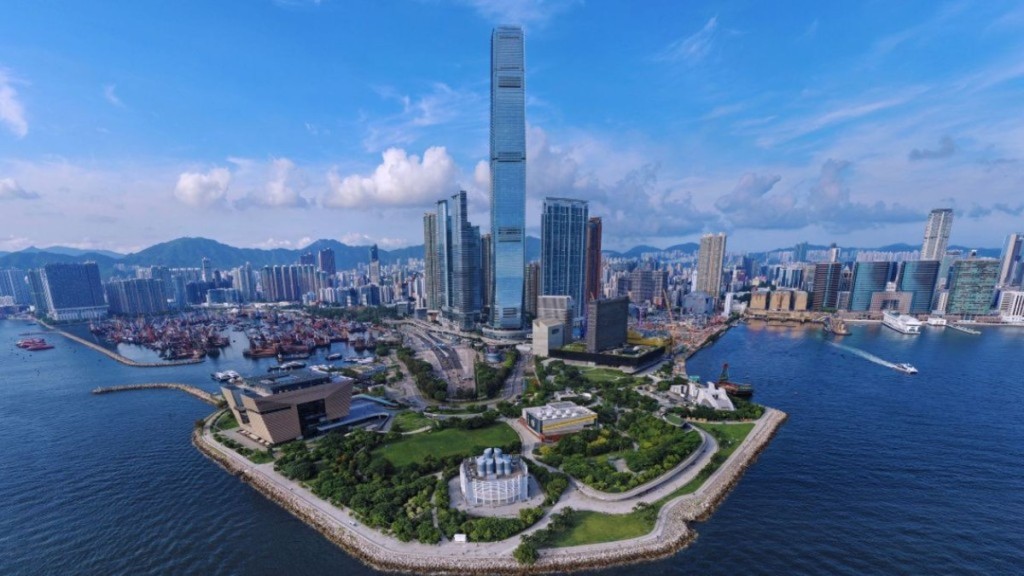
Under "one country, two systems" and as an international city with many professional and financial institutions, Hong Kong is uniquely well placed to contribute to national policies and global sustainability.
The government can enhance environmental awareness among the people of the need to reduce waste; actively promote the use of new energy vehicles and incorporate the principles of green and low-carbon concepts throughout the entire process of planning, constructing, operating and maintaining public transportation infrastructure to reduce energy consumption and carbon emissions; and provide tools and guidance to support small and medium-sized enterprises in implementing ESG initiatives.
By exploring innovative financial systems related to safety and ESG, it can assist smaller companies in addressing financial pressures, unlocking new opportunities for sustainable development.
It is essential to prioritize the prevention of "greenwashing" and ensure honesty and authenticity of sustainability claims to maintain the integrity of these efforts.
Since the forum I had the joy of discussions with and learning from BEAM Society, a Hong Kong headquartered independent and non-profit organization that is committed to creating a safe, green and sustainable built environment for the community, and I can see members of the congress backing it as a connector in dual circulation economic strategy to connect ESG investors and projects both domestically and internationally.
Hong Kong is well positioned to put forward unified global/regional standards that are open and fair, while also facilitating a green transformation in investment cooperation within the framework of the Belt and Road Initiative.
Achieving carbon peak and carbon neutrality is a multidimensional and comprehensive system project that cannot be achieved through isolated efforts from a single region, industry or entity.
It requires a collective and coordinated approach, where governments, industries, organizations and individuals work together toward a common goal.
AALCO is a significant force for international law developments and environmental and sustainable development. As an intergovernmental organization and with over 90 percent of its members countries being active Belt and Road members, AALCO-HKRAC offers comprehensive and truly "country-neutral" arbitration services that encompass ESG disputes.
I welcome your suggestions and support to build a healthy greener world!
Emphasizing that ESG is no longer an option but a necessity at AAAF 2023 are, from near right, David John Simmonds, chief strategy, sustainability and governance officer; George Lam, chair, United Nations Economic and Social Commission for Asia and t