A notorious, or should I say infamous, song has been much in the news, especially in the legal world. I am, of course, referring to the attempt by the government to obtain a court injunction to ban Glory to Hong Kong.
Before considering the legal side of things it is worth reflecting that the song, mysteriously composed and written by persons conveniently hiding behind the pseudonym "Thomas dgx yhl," would inevitably incur the wrath of the government because it had come to symbolize the criminality of the 2019-2020 protest movement. The song became the rallying cry for an anarchy that threatened to destroy Hong Kong's economy and social stability.
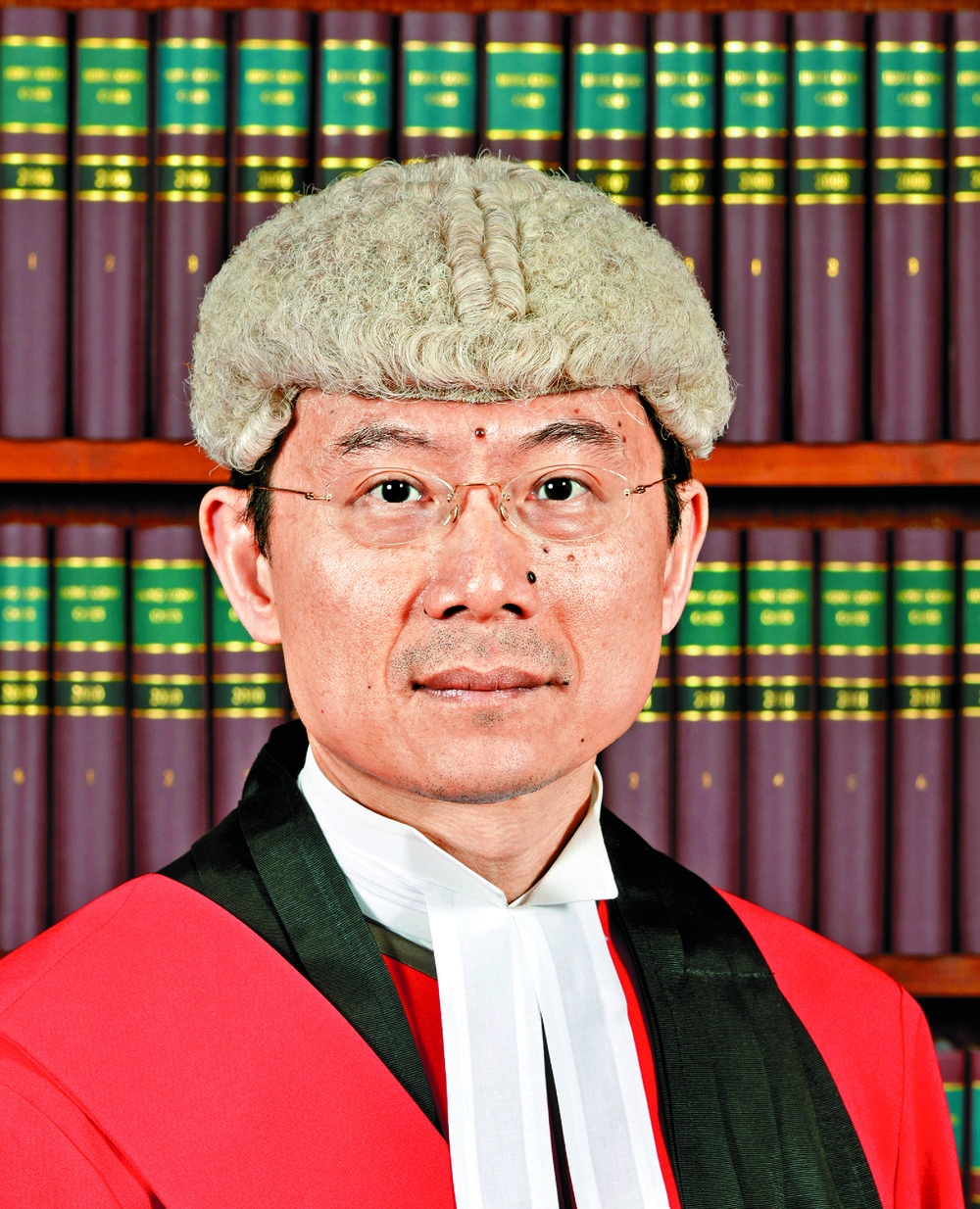
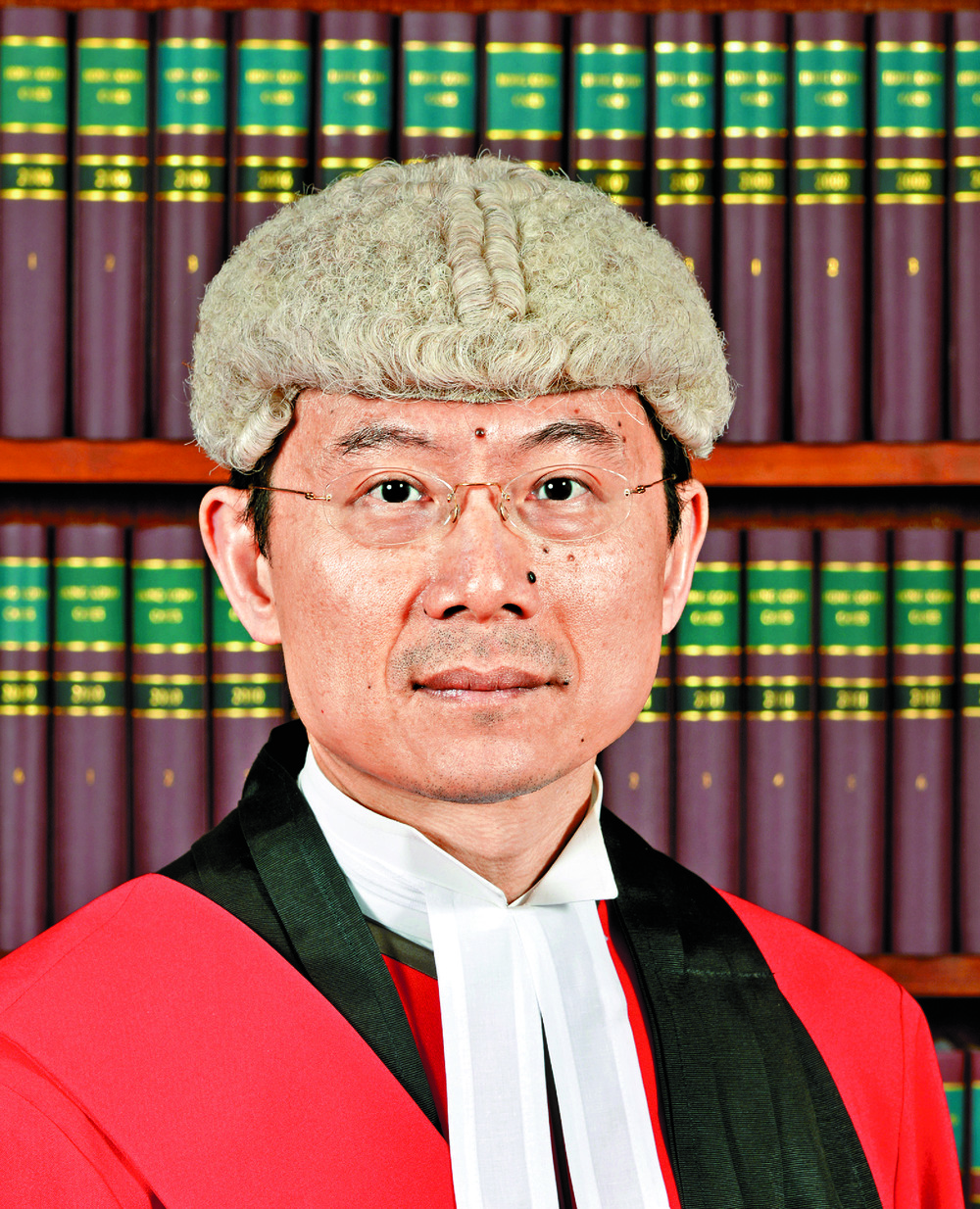
But anyone who reads the full 30-page judgment of Anthony Chan Kin-keung with care will not be surprised that the high court judge refused the application.
The decision to seek an injunction was highly unusual because such a legal remedy would invoke a judge's full coercive powers and any failure to obey an injunction would inevitably amount to a contempt of court and that in its turn would probably result in any contemnor landing in prison.
It is critically important to remember that the injunction sought was against all persons who conduct themselves in specific prohibited acts. The prohibitions sought were breathtakingly wide and included restraining a defendant's servant or agent from "broadcasting, performing, printing, publishing displaying on the internet and/or any media " the song.
It was a most unusual application for many reasons.
For example, most, if not all, of the specified prohibited acts are already considered serious criminal offenses under the laws.
Why was it necessary to involve the courts at all?
As the judge rightly pointed out, the central issue he had to decide was "whether the exceptional jurisdiction of the court in granting an interlocutory injunction in aid of criminal law should be exercised, taking into account its unusually extensive reaches."
What has happened has also raised the question of how far should the courts go to assist the authorities in the issuing of injunctions to implement existing criminal law.
In his written ruling the judge refused to issue such an injunction and listed a number of cogent reasons for doing so.
He noted that since the proposed injunction was "against the world" it was not a decision that should be taken lightly.
He also took into account the right to freedom of expression even though it is trite to say that everyone would accept that such a freedom is not absolute in nature and can be lawfully restricted.
But I perceive the judge's fundamental reasoning is that the existing laws are sufficiently "extensive and robust" to ensure that those who use the song for illegal purposes are sufficiently punished. After considering all the contentious issues he came to the legal conclusion that it would not be "just and convenient" to grant the injunction.
I think many lawyers must be surprised that the lawyers who advised the government to pursue the application for an injunction failed to grasp that the numerous existing criminal laws in our statute books already adequately punish those who infringe them.
Where do things go from here?
Of course there can be further appeals, even up to the court of final appeal and beyond to the National People's Congress, but is this something that is worth making a song and dance about?
Why involve the judiciary in an issue where there are sufficient existing legal sanctions? The judgment, by the way, can be found at legalref.judiciary.hk/lrs/common/ju/ju-frame.jsp?DIS=154086&currpage=T
Cheng Huan is an author and a senior counsel who practices in Hong Kong
Anthony Chan deems existing laws to be sufficiently extensive and robust and do not need a ban.