Read More









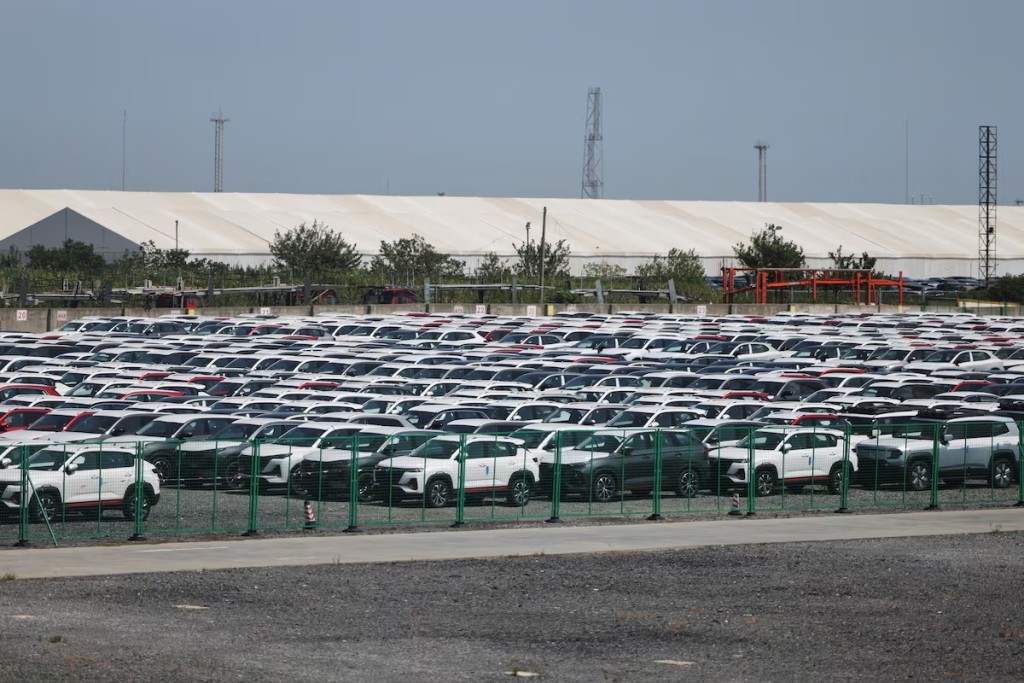

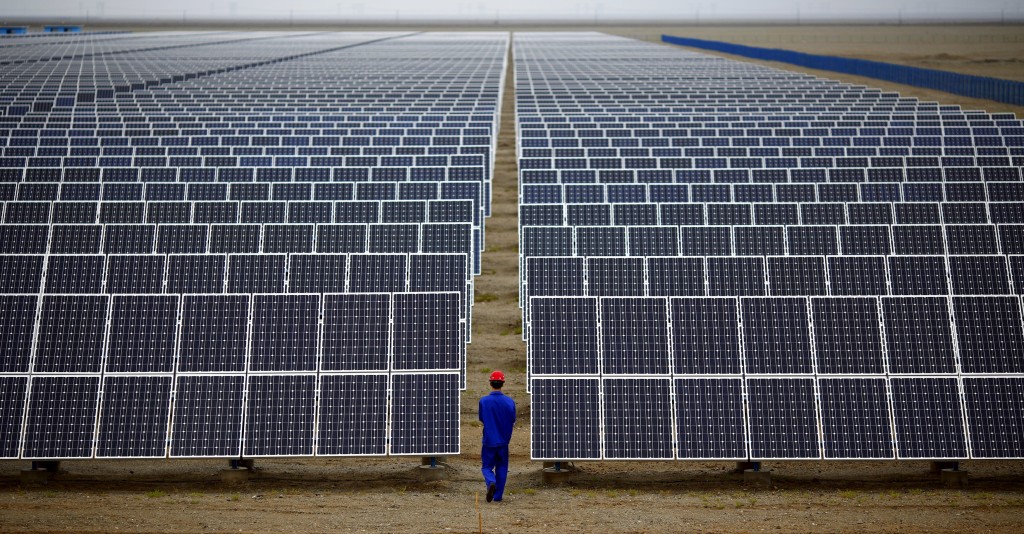
China's clean technology exports last year avoided carbon emissions greater than those produced by Britain, according to new analysis highlighting the growing climate impact of China's green technology boom.
Chinese exports of batteries, wind turbines, electric vehicles and, above all, solar panels avoided 374 million metric tons of carbon dioxide emissions (MtCO2) last year, according to analysis by Lauri Myllyvirta, co-founder of the Helsinki-based Centre for Research on Energy and Clean Air.
Over their lifetime, China's clean technology exports in 2025 are expected to avoid 6,900 MtCO2, up 31 percent from 2024 and equivalent to about twice India's emissions last year.
China is both the world's largest carbon emitter and the leading producer and exporter of technologies needed to reduce emissions. Produced at huge scale and low cost, Chinese wind turbines, solar panels, batteries and electric vehicles have reshaped the economics of electrification and decarbonisation, particularly in developing countries.
Almost a third of the avoided emissions identified by the analysis came from solar exports to South Asia, where Pakistan is in the midst of a boom that has given it one of the highest shares of solar power generation in the world.
"Current growth of solar and EVs, particularly in emerging countries, was not on anyone's radar five years ago before China's cleantech manufacturing boom," said Myllyvirta.
"Just as the manufacturing boom led to increased supply and falling prices, the world experienced two fossil fuel price shocks in the past five years, giving adoption a further push."
Exports of clean technologies, including solar panels, wind turbines, batteries and electric vehicles, were worth US$194 billion (HK$1.51 billion) last year, according to Chinese customs data. Shipments had already reached US$128 billion by June this year.
Despite rapid growth, the emissions avoided by those exports remain small relative to global carbon emissions, which were about 39 billion tons in 2024, according to data compiled by Our World in Data.
Reuters