Read More



The Death of Late Night? What Colbert’s Final Bow on May 21 Means for TV
18-05-2026 21:09 HKT


Edtech firm upgrades Asean Chinese-learning | Market Pulse | HKTDC
18-05-2026 01:49 HKT
A flashy cop with a taste for fast cars falls from grace following the leak of spine-chilling footage of a brutal interrogation gone wrong.
Not the plot of a blockbuster thriller, but the vivid reality of a story that has gripped Thailand in recent weeks and spotlighted police corruption which experts say infects almost every level of society in the kingdom.
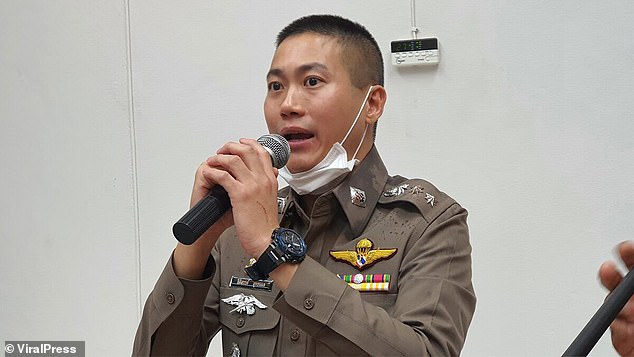
The case of Thitisan Utthanaphon, 41, a former provincial station chief - nicknamed "Joe Ferrari" for his extravagant lifestyle - has fired up calls for reform. He stands accused of murder, abuse of power and other offenses after a drug suspect was suffocated with six plastic bags wrapped around his head in an alleged attempt to extort about US$60,000 (HK$466,800).
The incident was initially hushed up and recorded as an amphetamine overdose until a lawyer revealed the cause of death in a Facebook post.
In a move typical of the works of patronage that critics say underpin systemic corruption, Thitisan was then transferred to a regional police bureau in a nearby province - commanded by the father of his television-presenter girlfriend.
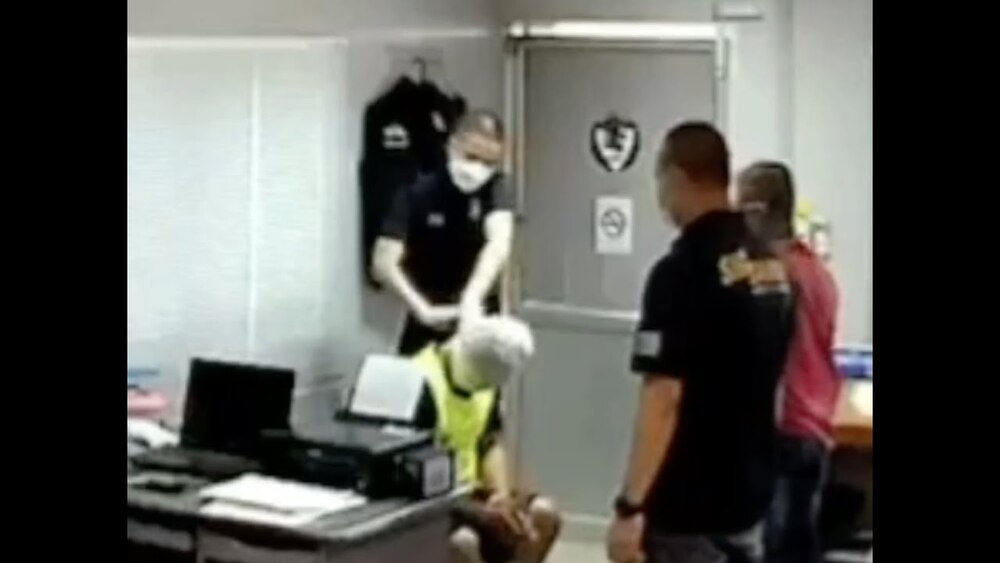
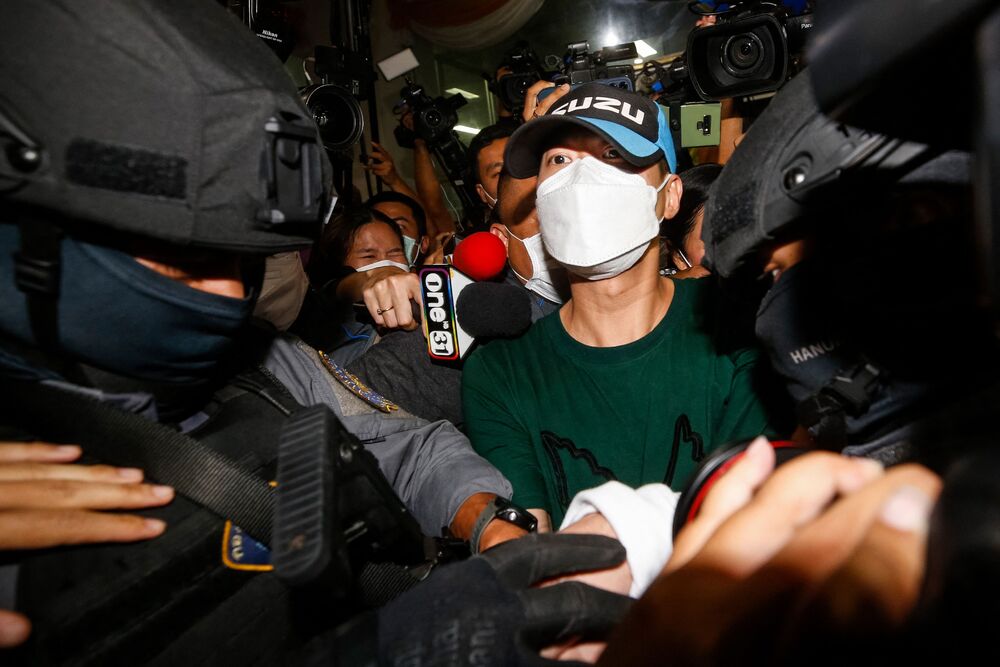
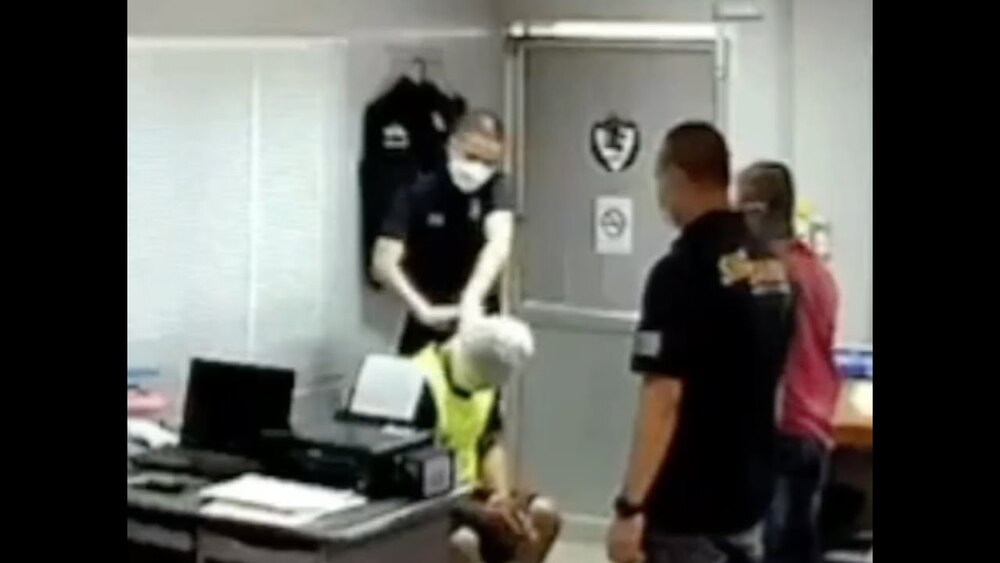
But worse was to come for him: another lawyer released a chilling video leaked by a junior policeman that appeared to show Thitisan suffocating the handcuffed suspect while other officers held him down. The footage went viral, shocking the kingdom and prompting the arrest of Thitisan and several other officers.
Thitisan denies all the charges against him.
Sittra Biabungkerd, a lawyer who released the video, said he did it to stop police "helping each other to get away" with murder.
"Many people may think interrogating suspects using black plastic bags no longer goes on because times have changed," he says. "But this case shows it still goes on in secret."
Revelations about Thitisan's wealthy lifestyle and a string of celebrity relationships made headlines after his arrest.
Investigators say he owned a luxury mansion in Bangkok, a fleet of 42 top-end cars including a US$1.5 million Lamborghini Aventador and had a personal fortune estimated at US$18 million - all on a police superintendent's salary of around 43,000 baht (HK$10,100) a month.
Activist Srisuwan Janya says the anti-money laundering authority has been asked to investigate Thitisan's wealth.
Some of Thitisan's substantial wealth came from auctioning hundreds of imported luxury cars seized by Thai customs, according to senior officers.
Investigators are due to hand over their findings to the National Anti-Corruption Commission on September 24 before deciding whether to forward the case to the state prosecutor.
After taking power as army chief in a 2014 coup, Prime Minister Prayut Chan-O-Cha vowed to eradicate corruption.
Seven years on, the Joe Ferrari case shows how little has been achieved.
Reform has been a "spectacular failure" as those connected to the top are shielded by "protection and favoritism" while whistleblowers are punished or silenced, says analyst Thitinan Pongsudhirak of Chulalongkorn University.
In an attempt to kickstart police reform, the government approved a draft amendment to the National Police Act early this year. But the draft remains under deliberation in parliament, moving at a snail's pace as committee members - some of them former cops - haggle over details.
Since the Prayut administration depends on police support, it is careful about reform, says lecturer Paul Chambers of Naresuan University.
"The only change the Joe Ferrari case will likely spur is that rogue cops take greater care to hide the illegal activities in which they engage," he says. "None have worked, and none are likely to anytime soon."
Royal Thai Police Chief Suwat Jangyodsuk has blamed the current scandal on "one bad apple."
But public trust in the police force has long been eroded.
Almost every Thai entrepreneur, whether their business is legal or not, is familiar with paying local police just to operate - from motorcycle taxi riders and street food hawkers to brothel owners and drug traffickers.
Nearly half of Thais said they had paid bribes to police in the previous year, according to a 2020 study by Transparency International.
And Thailand's economic crisis, fueled by the pandemic, has only made corruption worse, with police given more power to enforce Covid-related laws.
Thailand has lost 19 places in Transparency International's corruption ranking since 2014. It now stands 104th out of 180 countries.