Read More





Will AI make me dumber? | Human Reinvented | Frank Ng & Ryan Ng
13-10-2026 05:00 HKT





Kim Jones to open first global flagship at Henderson's Central Yards in 2027
13-10-2026 20:13 HKT


Italian wines are complicated. Its most famous red? Even more so. Chianti Classico enjoys a long and glorious history in Tuscany. Spanning across hundreds of years, the wine has inevitably experienced several stages of evolution. Even its most fundamental elements – where it is and what it is – reflect much deeper cultural intricacies.
The story stretches back to the medieval times when the political boundaries between the two rival cities of Florence and Sienna became a subject of ongoing dispute.
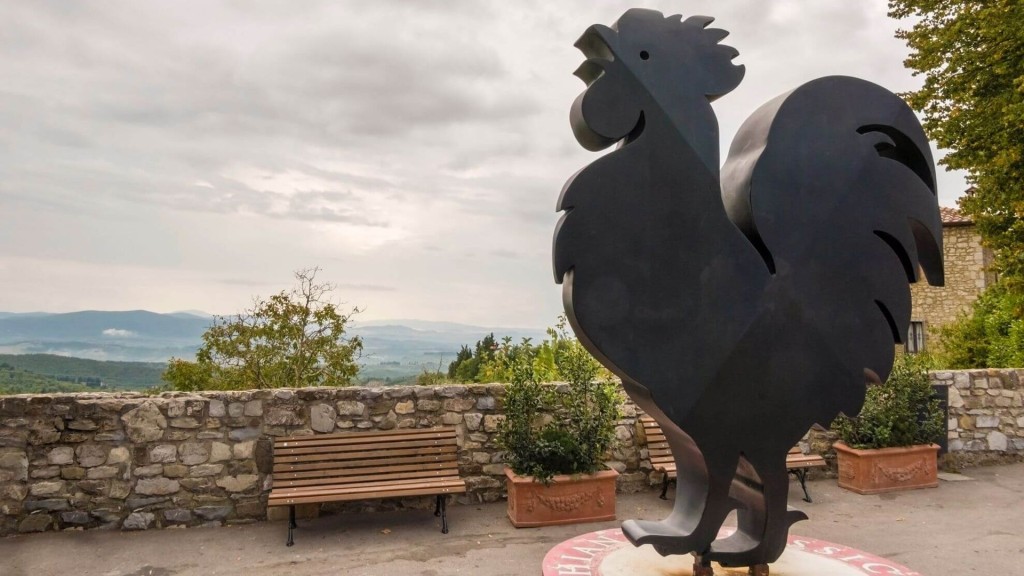
To end the conflict, it was decided that each city would send a knight from their respective capital toward each other, and the point where they met would become the official border. Given that the knights would set off at dawn, the rooster that deliver the morning call played a decisive role.
On that fateful day the Florentine's black rooster, which was deprived of food for days before the big race, gave the loudest possible crow well before dawn. Hence, the Florentine knight had a head start, traveled much further, and claimed a much larger portion of Chianti for his republic.
The black rooster, or the "Gallo Nero," had since become the area's official symbol. By the 18th century, the grand duke of Tuscany formalized the link between the territory and its wine.
In the middle of the 19th century, baron Bettino Ricasoli became the second prime minister of Italy. In addition to his contribution to politics, the Iron Baron also had a strong influence in the world of Italian wines. After his extensive experimentation, he had come to the conclusion that, in addition to Sangiovese, a well-made Chianti should also include the black grape Canaiolo and the white Malvasia Bianca Lunga to enhance the fragrance and approachability of the wine.
The Iron Baron's recommendation had ultimately become the "Chianti Recipe."
However, not every dedicated Chianti producer was pleased to blend white grapes with Tuscany's most emblematic variety. Gradually, a wine revolution had begun.
Alice Wong is a certified wine educator based in Hong Kong