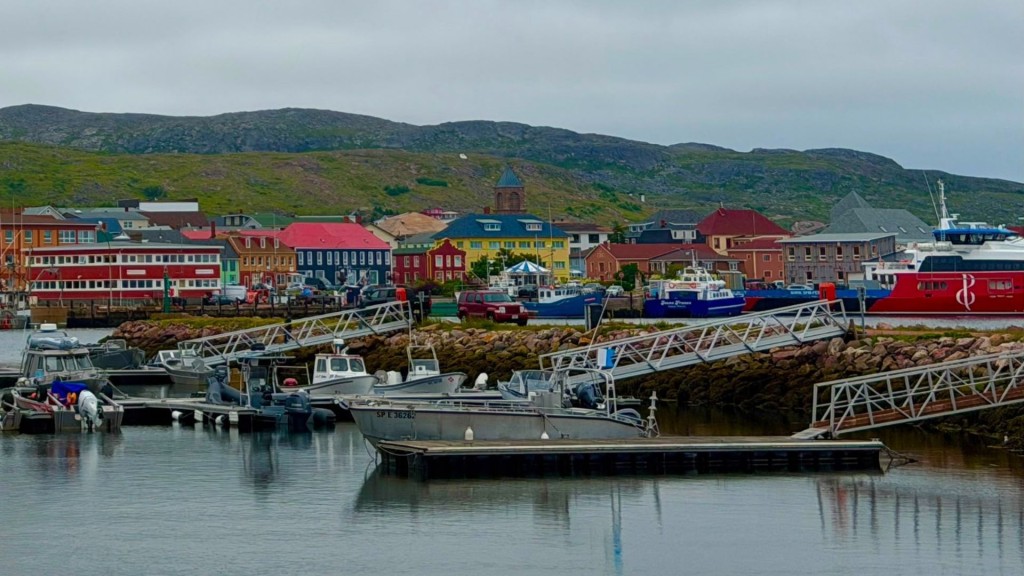
Drop a pinpoint right off the Canadian coast to find a literal slice of France. Although I have traveled extensively across mainland France, visiting an overseas territory felt quite surreal. Saint Pierre and Miquelon isn't Quebec; it is a distinct enclave where the Pierrois speak pure European metropolitan French.
We made a scrupulously planned journey here, flying to Halifax, driving across the Maritimes, and navigating meticulous logistics to catch a ferry on its fluid, multi-day-a-week schedule from Fortune, a tiny Newfoundland town of 1,000 residents.
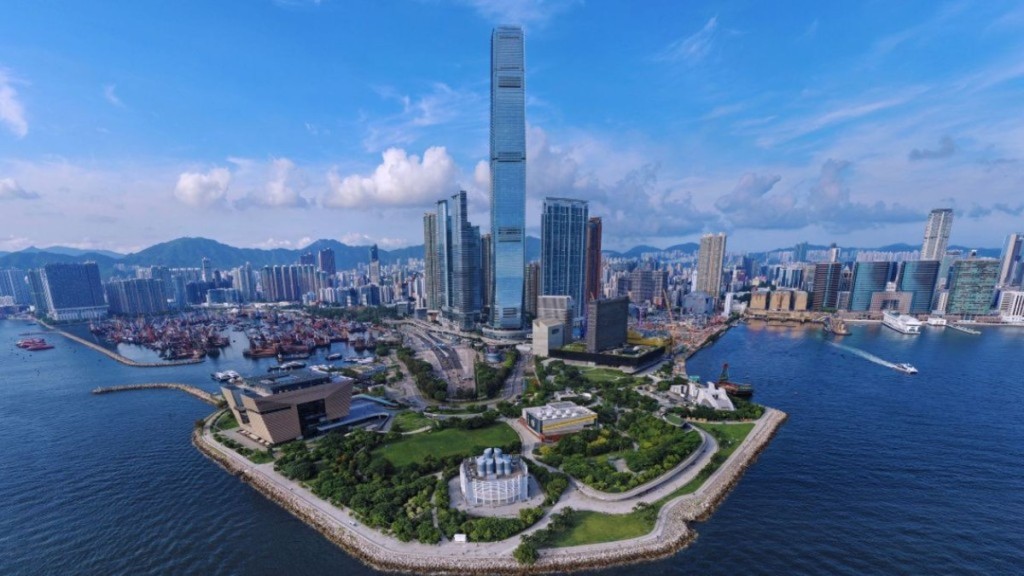
Sprawling across a vast archipelago yet home to just 5,500 people, this rustic territory is a fraction of the size of Hong Kong. It is the ultimate close-knit community where everyone knows everyone.
The territory runs on three nurseries, two primary schools, and one high school. For higher education, young people head straight to mainland France rather than nearby Canada, taking advantage of free university tuition guaranteed to Pierrois citizens.
Life here moves at a relaxed pace, heavily shaped by the French government. Nearly half the working population is employed by the state, meaning the town is dotted with administrative buildings flying the French tricolor flag.
Coming from Canada's comfort-food diet of burgers and fries, stepping onto the island is a total culinary pivot. Restaurants serve authentic French cuisine, and you routinely spot locals walking down the street clutching fresh baguettes under their arms.
Yet, amusingly, nobody actually walks very far. Despite the tiny population, there are an astonishing 8,774 registered vehicles here. That leaves roughly two cars per adult: a standard model for summer and a heavy-duty four-wheel drive for winter snow. Because coastal winds are relentless, the Pierrois choose to drive everywhere, even during August.
Technology faces its own quirks in this disorienting environment. Between sporadic Wi-Fi, smartphones constantly waver by 30 minutes in temporal confusion. The islands run on their own distinct time zone, sitting one hour ahead of Halifax and a baffling half-hour ahead of Newfoundland, despite sitting further west.
Summer is a relative concept. Even though August is technically the island's warmest month, our visit hit a crisp 13 degrees Celsius, with a wind chill that made it feel like 9C. Still, the locals are entirely unfazed. Our hotel maitre d' casually mentioned he had just been swimming. He described the winter here as absolutely beautiful, enthusiastically pitching a return for half-price rooms, shoulder-high snow, and skiing through the streets. But for a hot-weather girl like me, camping outside in a wind-chilled -15C winter sounds less like a holiday and more like a grueling episode of Survivor.
Joanne Chan, Art Historian, Chevalier de l'Ordre des Arts et des Lettres. A kaleidoscope of musings and flaneries through France