In this final column of the series, I would like to turn from the development itself to the role of the legal profession. There is sometimes a tendency to see lawyers only when legal problems arise. In reality, a strong legal profession is most valuable when it helps individuals, businesses, and institutions avoid uncertainty, manage risk, and move forward with confidence.
The Northern Metropolis Development Bill has attracted attention because it seeks to accelerate planning, land development, and cross-boundary flow through institutional innovation and facilitation measures. These issues may sound technical, but they affect how quickly projects can proceed, how enterprises can operate, and how different stakeholders can coordinate their activities. The more ambitious the project, the more important it is to have a clear, reliable, and trusted legal framework.
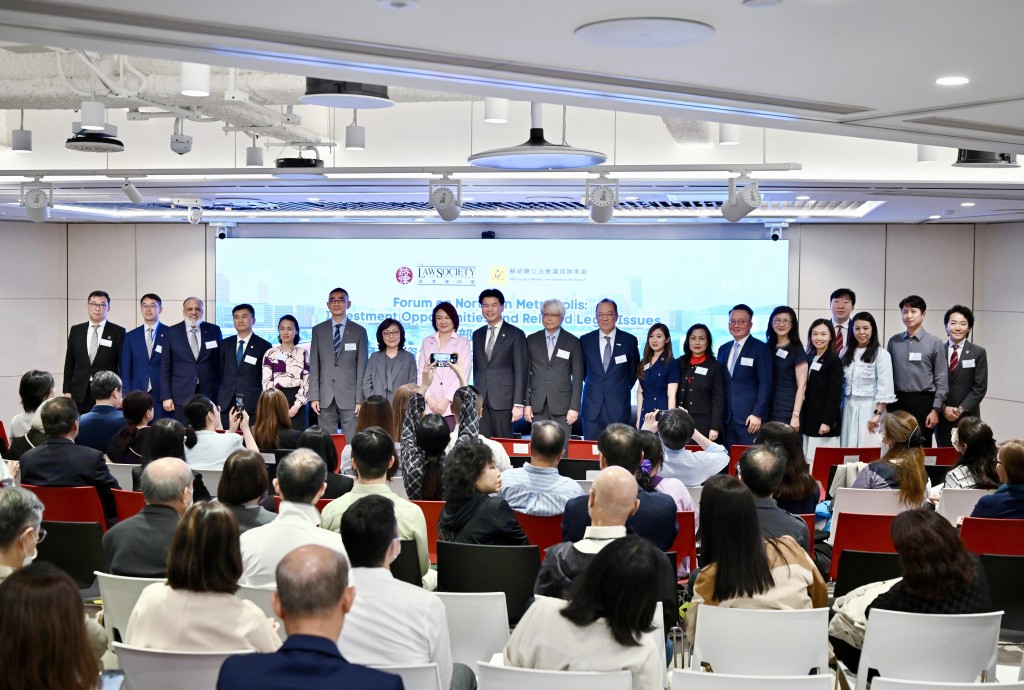
The forum discussions also touched on the growth of innovation and technology, professional services, logistics, and cross-boundary business activities in the Northern Metropolis. As enterprises establish a presence there, they will face many practical legal questions. These may include land and development matters, corporate structuring, financing arrangements, regulatory compliance, intellectual property protection, data governance, tax considerations, contract management, and dispute resolution.
However, the point is not merely that new business activities will create work for lawyers. The more important point is that Hong Kong’s legal profession already possesses many of the attributes needed to support this development: familiarity with common law principles, experience in cross-boundary and international transactions, professional independence, ethical standards, bilingual capability, and practical knowledge of commercial realities. These are not theoretical advantages. They are qualities that help provide certainty and confidence in an increasingly complex and interconnected environment.
The Northern Metropolis therefore presents an opportunity for the legal profession to demonstrate its broader public value. Lawyers can assist with structuring transactions, protecting intellectual property, advising on data and technology issues, facilitating financing, managing regulatory risk, and resolving disputes efficiently. In doing so, the profession supports not only individual clients, but also the credibility of Hong Kong as a place where development is underpinned by the rule of law.
For the general public, this may be the most important message. The Northern Metropolis is not only about land, buildings, or transport links. It is about whether Hong Kong can create a future development platform that is innovative, connected, and trusted. The legal profession has a supporting role in each of these dimensions. Our task is to contribute our expertise with professionalism, practicality, and a strong sense of public responsibility.
Ultimately, the success of the Northern Metropolis will not be measured solely by the scale of its development or the number of projects completed. It will also depend on whether Hong Kong continues to maintain the institutional strengths that have long distinguished it, including the rule of law, a trusted legal system, and a high degree of professional integrity. As the Northern Metropolis continues to take shape, these foundations will remain important in supporting confidence, investment, and sustainable development for the benefit of the community as a whole.
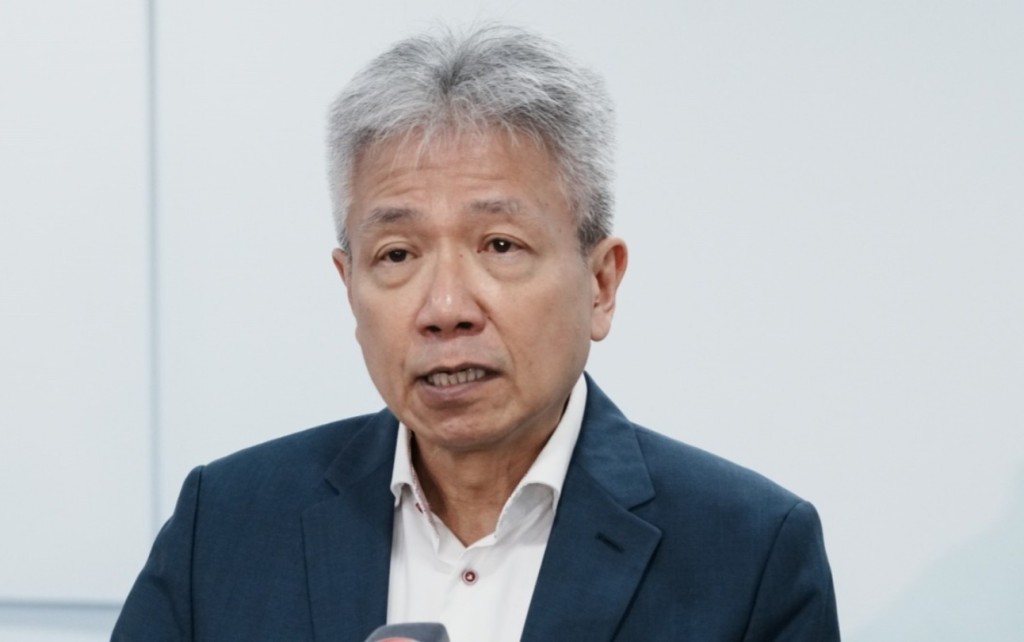
Roden Tong, BBS, is President of The Law Society of Hong Kong