





Read More




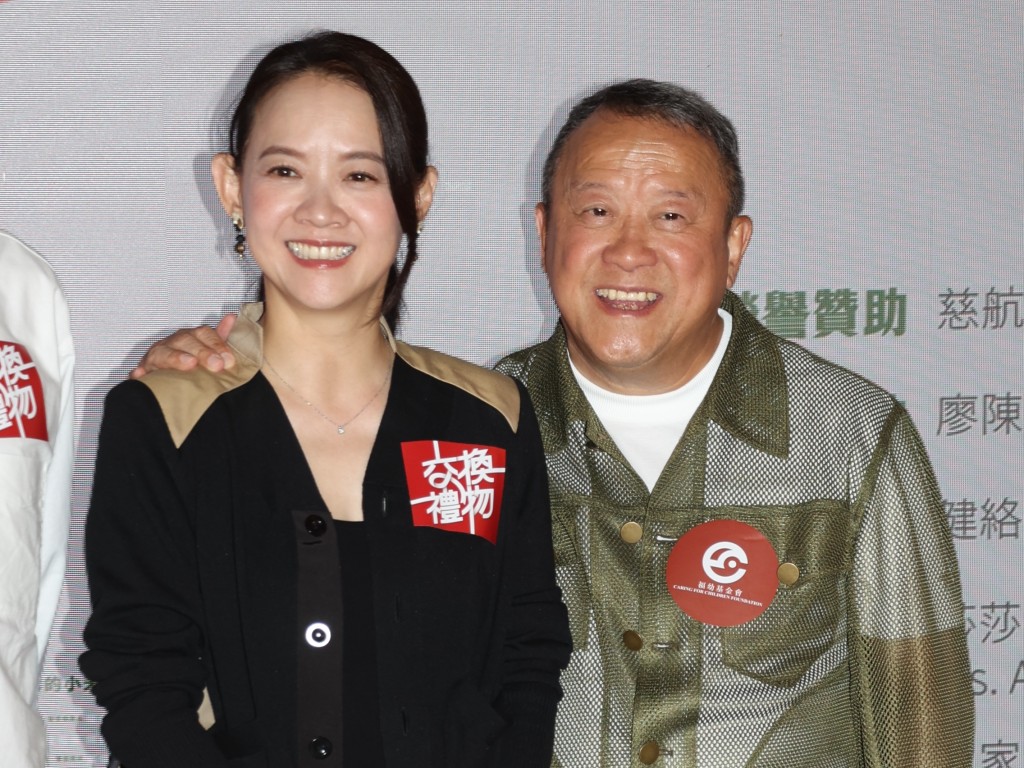
Eric Tsang and his daughter pocket 8pc profit on The Cliveden home sale
23-06-2026 15:13 HKT


Human skull found hanging from tree on Round Island near Chung Hom Kok
24-06-2026 01:50 HKT
Recently, Changxin Memory Technologies, a chip manufacturer specializing in DRAM memory, decided to forgo a Hong Kong listing and instead pursue a listing on the Shanghai STAR Market, with a valuation reaching 200 billion yuan (HK$218 billion). This shift was prompted by recommendations from Chinese regulatory authorities, who are concerned about the difficulty in monitoring the backgrounds of investors when core chip companies list overseas.
Since the Hong Kong Stock Exchange is considered a foreign market, regulators prefer these companies to list on the A-share market, where foreign investment is primarily channeled through the strictly regulated Qualified Foreign Institutional Investor mechanism, making risk management more feasible. Similar cases include Moore Threads and Muxi Integrated Circuits, which have also recently chosen to list on the STAR Market and received expedited approvals.
This situation highlights that China still harbors concerns about the security of Hong Kong’s financial market. Although Hong Kong is actively working to consolidate its position as an international financial center, the gradual erosion of mutual trust between countries worldwide, coupled with ongoing trade and technological frictions between China and Western countries such as the United States, have undermined foreign investors’ confidence in Hong Kong’s financial markets.
Added to this is the Chinese government’s increasing apprehension about capital security, which challenges Hong Kong’s role in assisting Chinese enterprises in raising overseas funds.
Therefore, while Chief Executive John Lee Ka-chiu has proposed in his latest policy address to actively develop the financial market and promote the internationalization of the renminbi, addressing the Chinese government’s concerns about the security of Hong Kong as an international financial center appears to be a critical issue for the Hong Kong SAR government.
As for developing the space industry, this seems unrealistic because space technology development is among China’s highest national secrets. If the Chinese government is already worried about the security of capital raised through Hong Kong’s financial markets, then pursuing the development of the space sector in Hong Kong may be somewhat impractical.
Andrew Wong is a veteran independent commentator