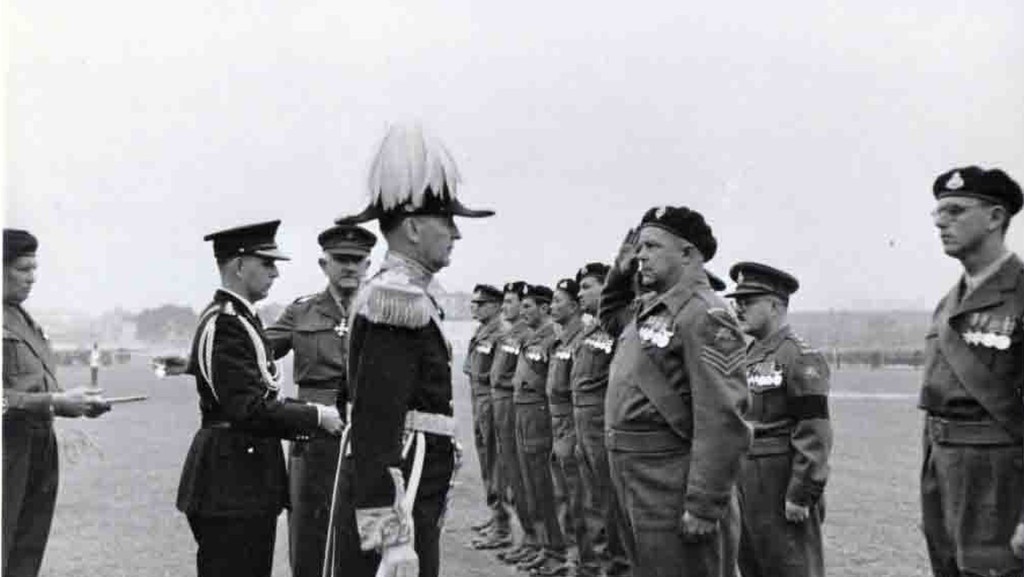
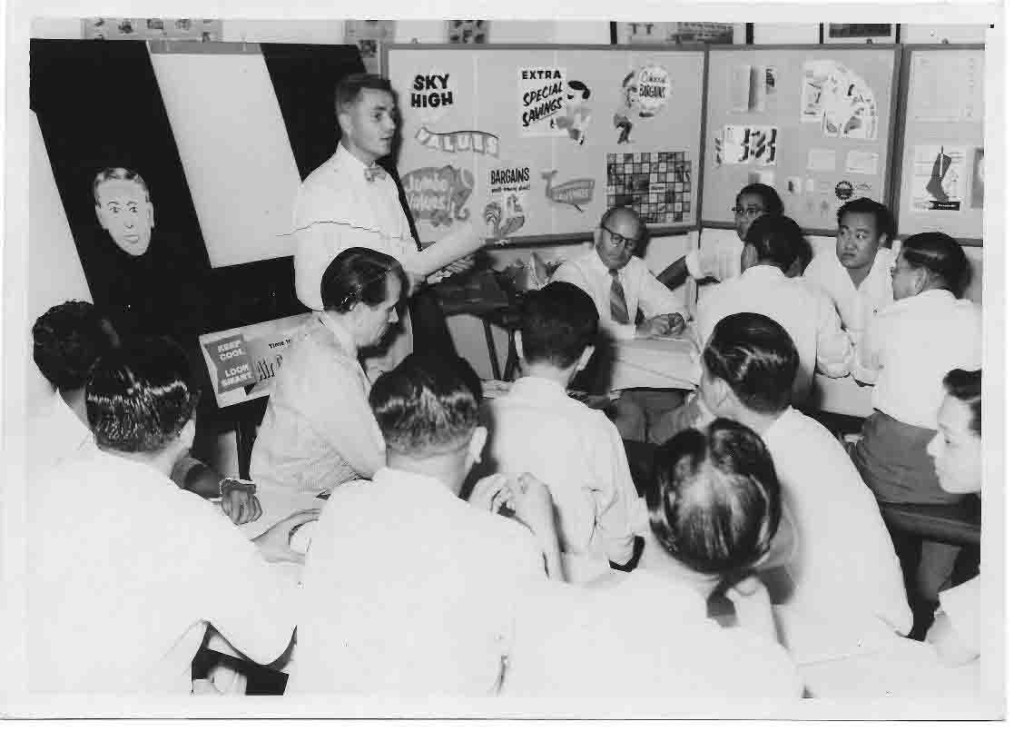
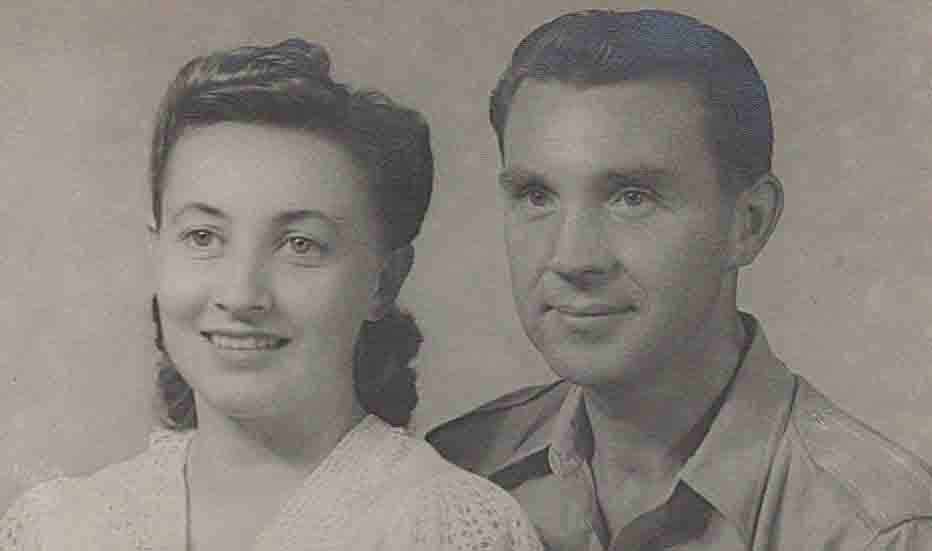
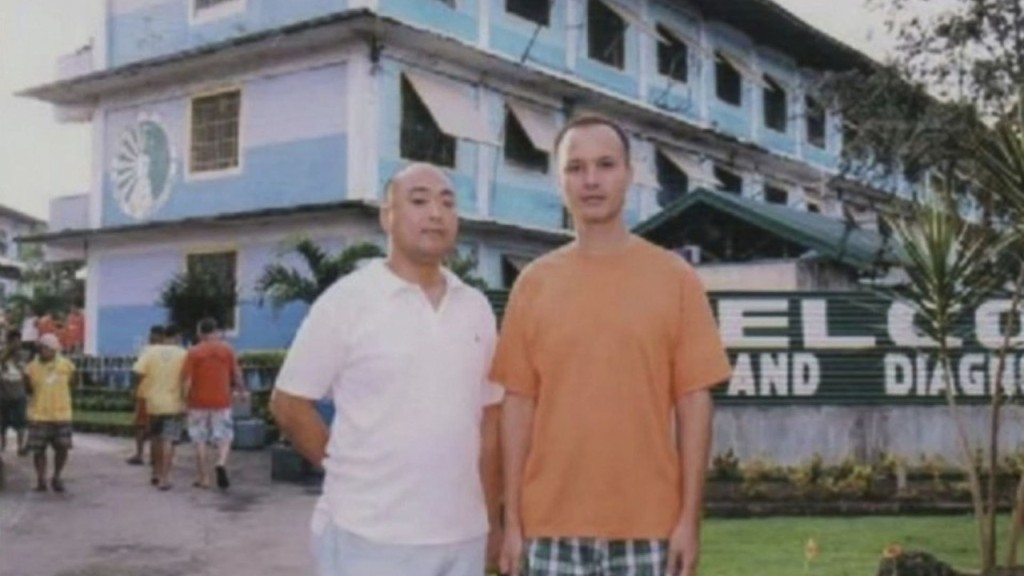
Ladislav Břežný and Hong Kong Governor Sir Alexander Grantham (1953) (Source: Author’s Archive)
When Japanese forces attacked Hong Kong on 8 December 1941, the city became one of the first battlefields of the Pacific War. The defence of the city was undertaken by a remarkable mix of professional soldiers and local volunteers—Britons, Chinese, Canadians, Portuguese, Indians, and others who had made Hong Kong their home. Among them was a small group of men from faraway Czechoslovakia. Most had originally come as employees of the Baťa Shoe Company or the Škoda Works, but in December 1941 they stood in uniform as part of the Hong Kong Volunteer Defence Corps (HKVDC).
ADVERTISEMENT
SCROLL TO CONTINUE WITH CONTENT
Their story is little known, yet it illustrates both the multinational character of Hong Kong on the eve of the Pacific War and the determination of its residents—no matter their origin—to resist the Japanese onslaught.
From Zlín to Kowloon
Czechoslovaks had been arriving in Hong Kong since the early 1930s. The Baťa Shoe Company, founded in Zlín, and Škoda Works, the great industrial arms enterprise from Plzeň, had both expanded aggressively into Asian markets. Baťa shops appeared in Central, Wanchai, and Kowloon, while Škoda supplied China with locomotives, machinery, and even complete breweries since the end of the nineteenth century. These ventures brought dozens of Czech and Slovak employees and their families to Hong Kong.
Like other expatriate groups, they formed a community association—known as the Czechoslovak Club or Committee—which met regularly in the Peninsula Hotel in Kowloon. Its members followed the political situation in Europe closely. They protested the Munich Agreement of 1938, which ceded Czechoslovak borderland, the Sudetenland, to Nazi Germany, and after the occupation of Prague in March 1939, they declared loyalty to the emerging Czechoslovak government-in-exile led by Edvard Beneš.
In British Uniform
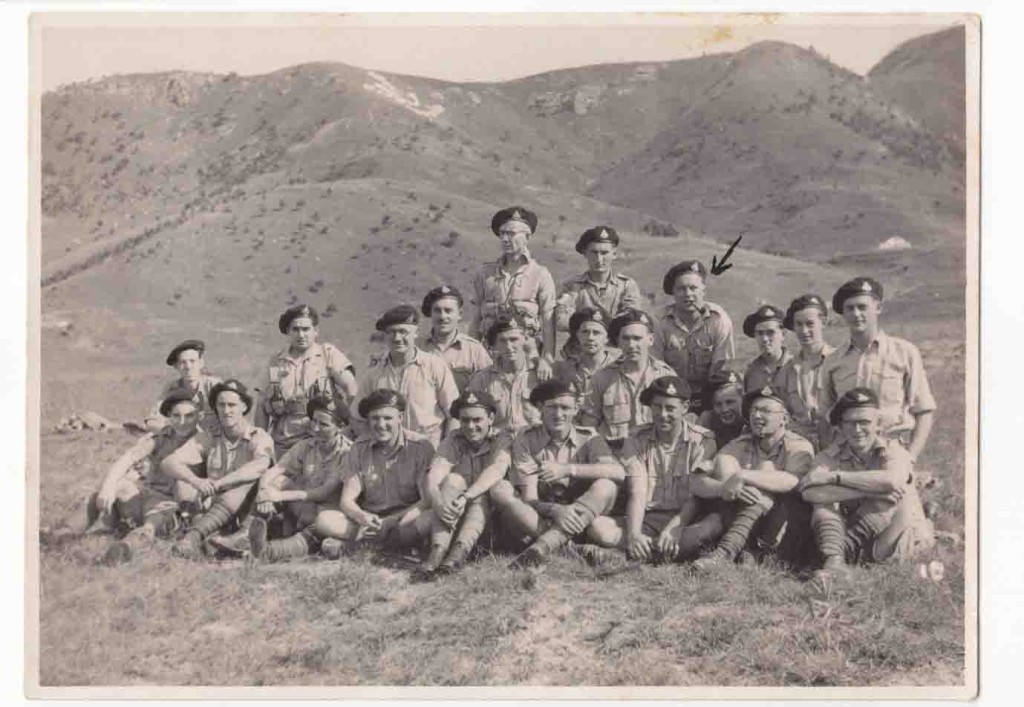
By late 1939, several Czechoslovaks volunteered to join the HKVDC, a multiethnic formation that included Chinese, Poles, Portuguese, Scandinavians, Russians, Jews, and others. Altogether the Corps numbered about 2,000 men, reflecting the cosmopolitan character of Hong Kong itself.
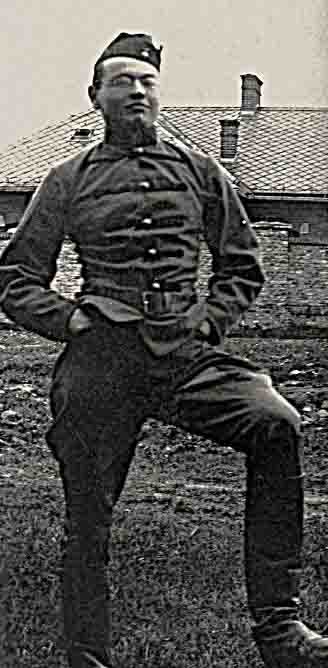
Among the volunteers were Czechs Ladislav Břežný, Jaroslav Krofta, Alois Jiříček, Alois Pospíšil, František Staněk, Josef Tausz, and Karel Tomeš, together with Rudolf Hoselitz, a Slovak Jew. Most were Baťa employees, though Tomeš had transferred to Škoda Works. Their civilian backgrounds ranged from salesmen and accountants to managers and technicians.
According to Břežný’s memoirs, the HKVDC trained twice weekly after work. The Czechoslovaks were mainly assigned to the mechanized machine-gun company equipped
with Bren gun carriers—light armoured vehicles named after the Bren light machine gun, itself originally developed from a Czech design. Tomeš, who had previously served with artillery in interwar Czechoslovakia, was posted to a coastal battery at Stanley. Hoselitz, already in his fifties, was assigned to the medical corps.
All were mobilized on 7 December 1941, the very day of the attack on Pearl Harbor.
+3
Battle of Hong Kong
The same day the Japanese invasion of Hong Kong started. Outnumbered nearly two to one, the defenders faced overwhelming odds. British strategy had long prioritized Singapore as the fortress of Southeast Asia; Hong Kong was considered indefensible, yet Prime Minister Winston Churchill insisted it be held for reasons of prestige and morale.
The Japanese army, numbering some 30,000 men, quickly overran the Gin Drinkers Line on the Kowloon Peninsula. On 18 December they crossed the harbour and landed on Hong Kong Island. The defenders were split into two sectors, East and West: Western part held Central, Eastern part fell back to Stanley Peninsula. Most of the Czechoslovaks were in the latter, where fighting was intense.
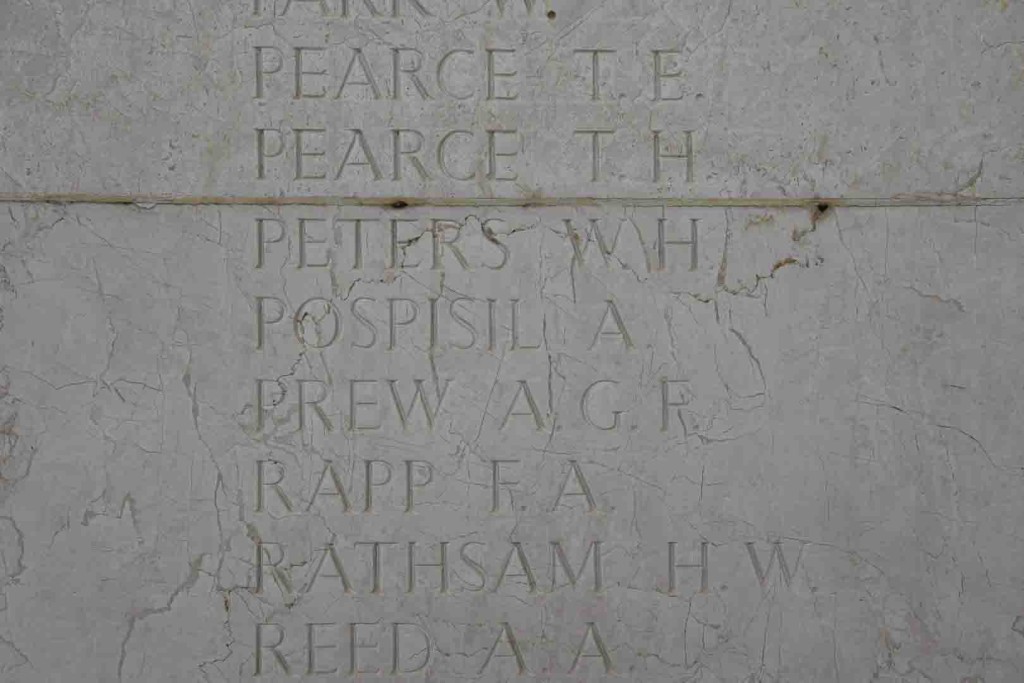
Jaroslav Krofta later recalled how the Japanese used rubber-soled footwear, which allowed them to move silently through the wooded hills. In one such surprise attack he was wounded. On Christmas Eve, Alois Pospíšil was killed in action. Rudolf Hoselitz, serving with the defenders of the North Point power station, had already died of wounds on 21 December.
On 25 December 1941—remembered in Hong Kong as “Black Christmas”—Major-General Christopher Maltby, the British commander, ordered the garrison to surrender.
Captivity
After the surrender, the Czechoslovak volunteers shared the fate of their comrades. They were marched to the temporary camp at North Point. Conditions worsened after their transfer to POW Sham Shui Po Camp in Kowloon, where overcrowding, disease, and poor sanitation took a heavy toll. Food was meagre—mainly bowls of poorly cooked rice—and medical supplies were almost non-existent. Dysentery, diphtheria, and malaria spread quickly. “I lost 45 kilos in ten months,” recalled later Ladislav Břežný.
From the outset, the Japanese used prisoners for forced labour. In Hong Kong, this meant expanding the Kai Tak airfield, building roads, and digging tunnels in the surrounding hills. Later, some prisoners were transported to Japan itself. In December 1943, František Staněk was sent to Nagoya. In April 1944, Josef Tausz and Karel Tomeš were shipped to the coal mines of Sendai.
By mid-1944, the course of the war was shifting. In Sham Shui Po, Japanese guards were gradually replaced by Taiwanese, who treated prisoners somewhat more leniently as Břežný and Krofta testified. Then, on 15 August 1945, the prisoners heard Emperor Hirohito’s radio
broadcast announcing Japan’s surrender. For the Czechoslovaks, four years of captivity were finally over.
Liberation and Aftermath
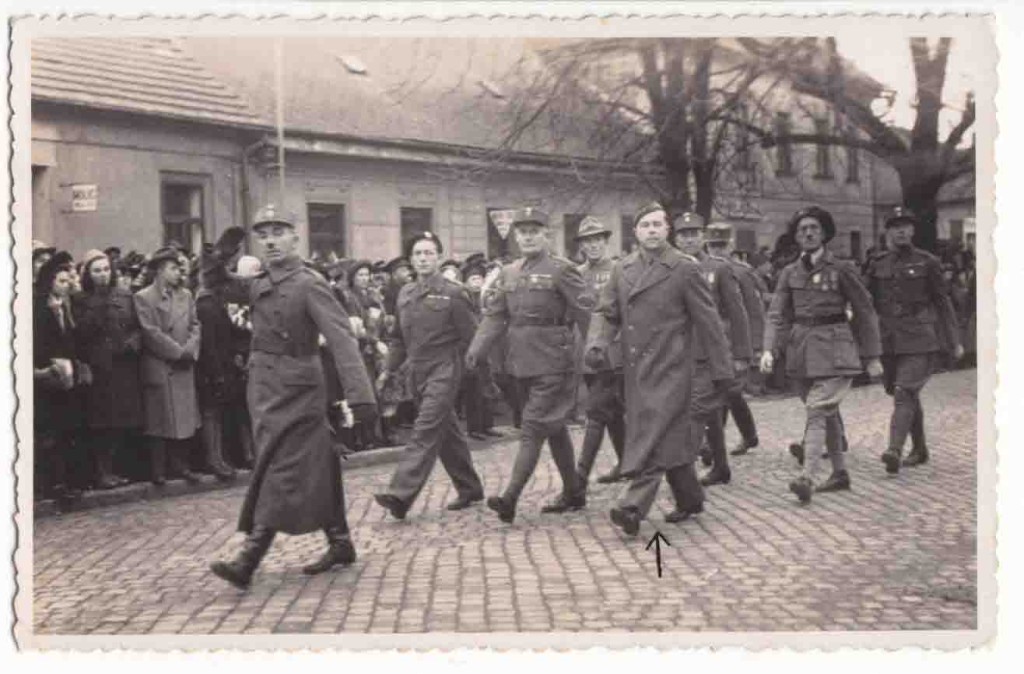
All defenders of Hong Kong were subsequently required by Allied command to leave the colony, mainly for health reasons. According to Břežný, the small Czechoslovak community still managed to celebrate one last 28 October—the anniversary of Czechoslovakia’s foundation—before departing Asia. On 15 November 1945 Břežný, Jiříček, Staněk and Tausz sailed from Hong Kong. Their route took them through Singapore, Sri Lanka, India, Suez, and Italy, finally reaching liberated Czechoslovakia in May 1946.
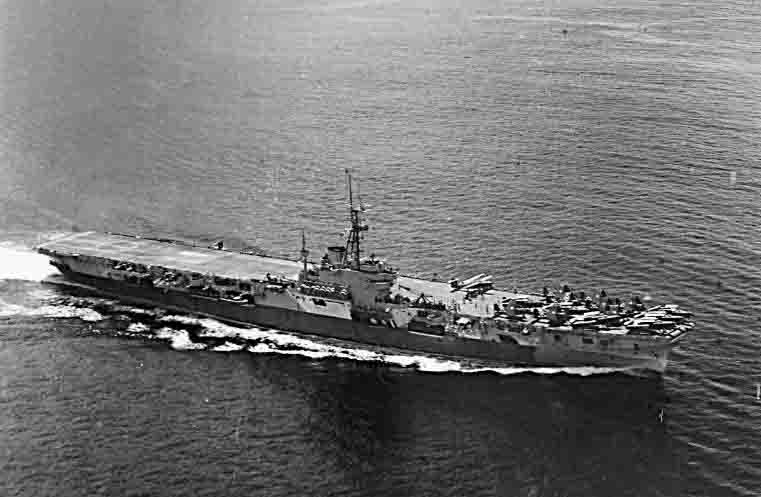
Škoda employee Karel Tomeš left Hong Kong in early 1946 on the British aircraft carrier HMS Chaser. With his family, he was transported to Scotland, then moved to London, where he received the War Medal 1939–1945 bearing the image of King George VI.
Others chose different paths. Jaroslav Krofta briefly emigrated to Canada before returning to Hong Kong in an effort to rebuild Baťa’s pre-war retail network. The attempts ultimately faltered in the post-war environment, but his return shows the enduring link between the Czechoslovak émigrés and the colony.
In the end, the wartime journey of Hong Kong’s Czechoslovaks diverged in many directions.
Karel Tomeš, weakened by years in the mines, returned to Czechoslovakia but died in 1952 at the age of 50.
Jaroslav Krofta also went home, later working in construction; he lived until 1992.
Ladislav Břežný chose a different course, returning to Hong Kong in 1947. He served in the Royal Hong Kong Defence Force, received the Efficiency Medal from Governor Sir Alexander Grantham, and later became a British citizen. He eventually settled in Australia, where he died in 1996.
Alois Jiříček returned shortly to Czechoslovakia but soon went back to Asia. He briefly worked for Baťa in Shanghai in difficult conditions of the ongoing civil war. He then transferred to Malaysia, and Singapore, and later settled in Australia where he died in 1987. František Staněk, shortly visiting Czechoslovakia in 1947, continued his career with Baťa in India—his later life remains partly unclear, though he is believed to have died in Australia.
Josef Tausz appeared as a witness in Hong Kong’s postwar war-crimes trials but afterwards disappeared from the record. The group’s wartime experiences reflected both resilience and tragedy: one killed in action, one dead of wounds, the rest surviving years of captivity before dispersing across three continents.
A Global Resistance
The story of Hong Kong’s Czechoslovak defenders is a reminder that the city’s garrison was truly multinational. Men from across the empire and beyond—Britons, Canadians, Portuguese, Chinese, Poles, Sikhs, Scandinavians, Russians, and others—stood together in December 1941.
For the Czechoslovaks, service in Hong Kong was also part of their own national struggle. Exiles from an occupied homeland, they chose to fight on a distant battlefield for the same goal: the defeat of the Axis and the liberation of their country.
Eighty years on from the end of the Pacific War, their names—Břežný, Hoselitz, Jiříček, Krofta, Pospíšil, Staněk, Tausz, Tomeš—deserve to be remembered in Hong Kong alongside those of all who defended the Pearl of the Orient.