In a city like ours, finding space to store a lot of goods in a small floor footprint is a big challenge.
To store materials in a warehouse, one way to save space is to stack them up. Unfortunately, there are operational and regulatory restraints to multistory storage.
To start with, authorities limit the height of any one warehouse floor to 6.5 meters, as higher ceilings may attract unauthorized partitioning for a mezzanine floor for increased accommodation.
Second, manual stacking also restricts stacking up of pallets to height due to limitations of manually operated equipment such as reach trucks and require wide corridor passages for access and sorting, defeating the purpose of maximizing utilization of mechanized storage systems.
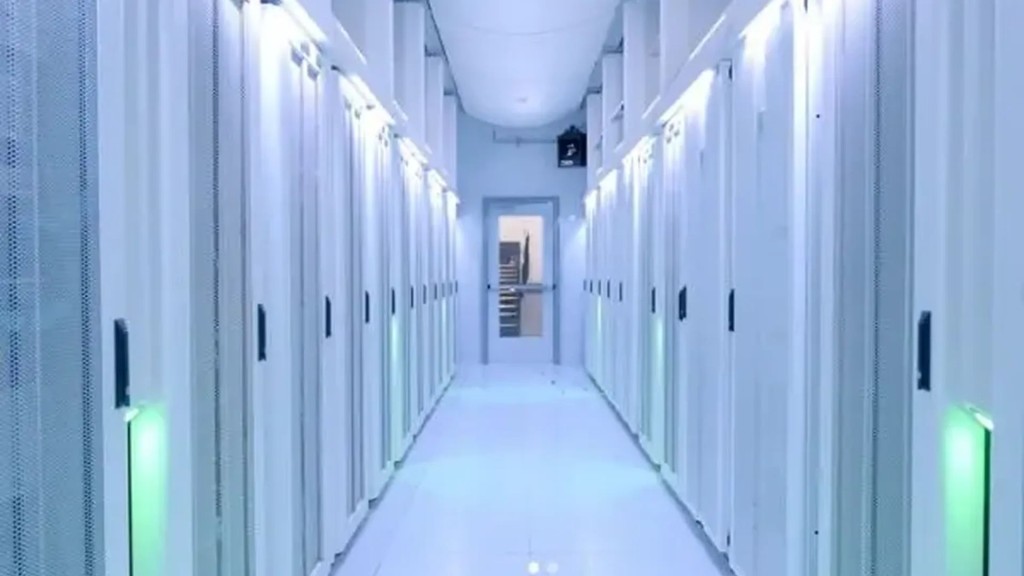
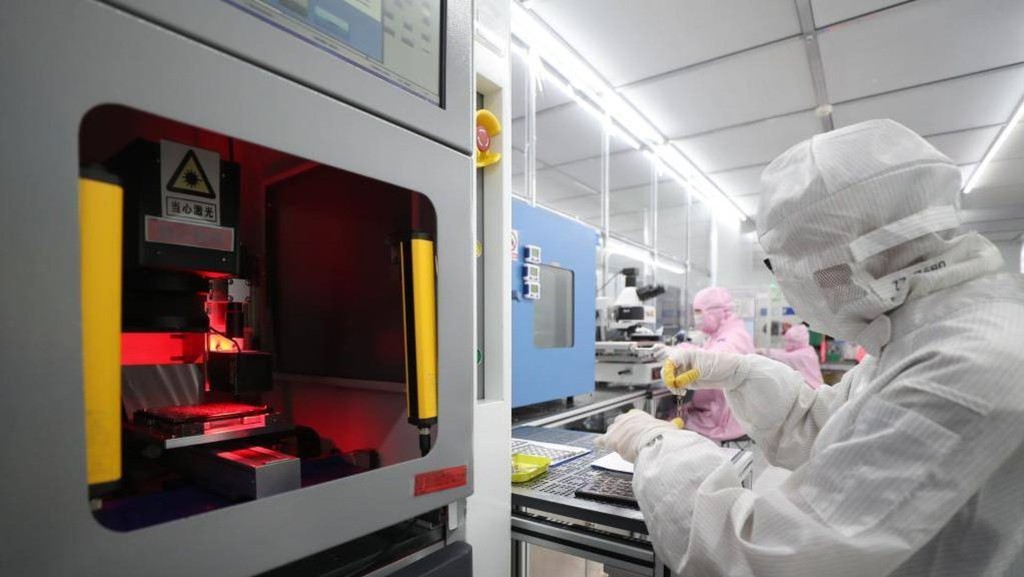
A novel automated storage and retrieval system recently started operating at Advanced Manufacturing Centre in Tseung Kwan O Industrial Estate.
The automatic logistics equipment was firstly applied in Hong Kong, utilizing advanced logistics execution systems and designed to optimize warehouse space and operations flexibility. It allows goods to be stored in cartons or pallets in racks built with strong steel structures.
Battery-powered shuttles with automated recharging functions, traveling on narrow passages, bring the cartons to pre-determined locations, defined by a grid system, and retrieved by identifying dedicated bar-codes on cartons or pallets to ensure accuracy of cargo being retrieved.
As shuttles can travel in set tracks, passage spaces can be minimized.
The automated traveling system can also place cartons accurately and efficiently, as these are repetitive processes.
It also minimizes the need for operating personnel to work in confined spaces, eliminating risks to safety.
Smaller goods, stored in pallets, tote boxes or cartons, can be placed and retrieved with robotic arms, which can operate with extreme accuracy and much more nimbly than humans.
A good-to-person system there can also assist a highly efficient cargo picking process down to cargo pieces.
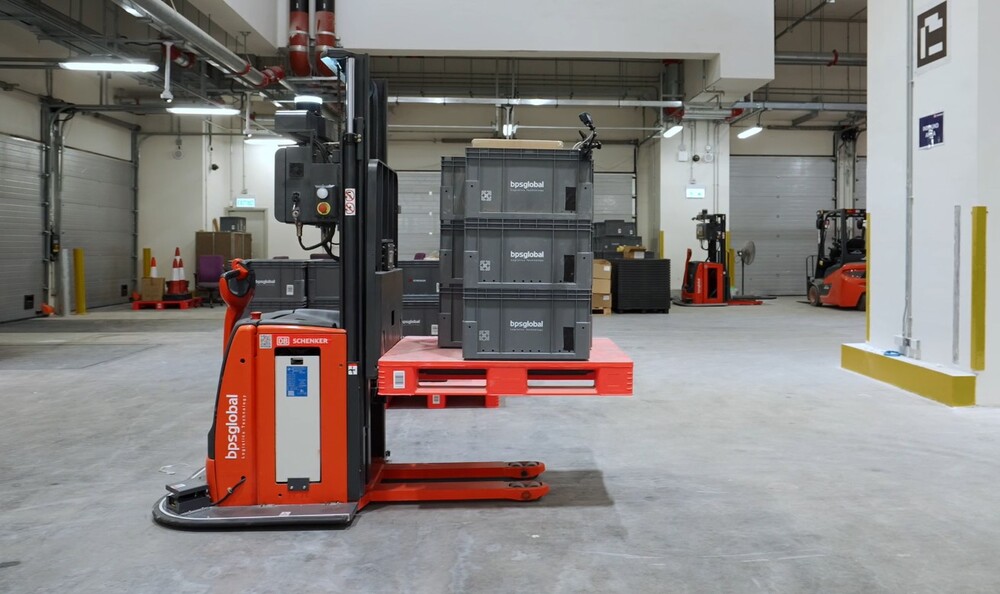
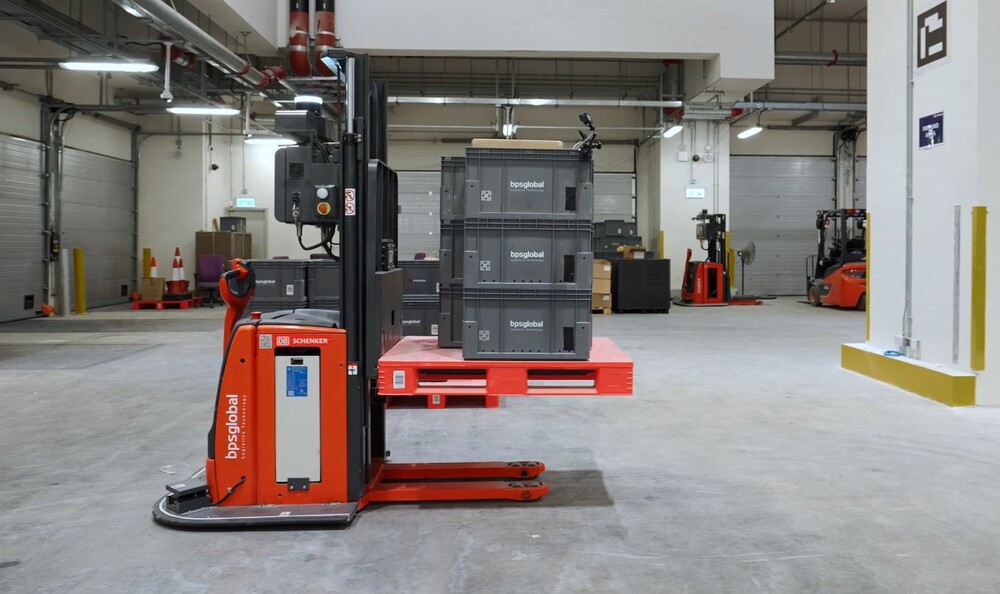
At warehouse entrances and exits, autonomous forklifts, employing detection systems such as Lidar to check for obstructions on pathways, are used for unloading and to bring them to stacking locations for the shuttles.
Many forklifts can therefore run in a warehouse concurrently without the need for dedicated rail tracks and without risks of collision or injury to personnel.
A high locational accuracy using laser technology and 2D codes, along with an automatic charging capability, allows the forklifts to work in dimly lit environments with no limits on operating hours, facilitating safe, efficient and environmentally friendly pallet-transfer operations, significantly improving efficiency and convenience to clients who may not work to office hours.
Being an automated system, a small team is still required to supervise the process and to intervene when rare interruptions occur and to provide essential human interface with deliveries to and collections from the public.
This system is already serving as a model of how future warehouse storage systems can be planned, with significant improvements to efficiency in costs and space compared to conventional systems.
But the floor height restriction limits the potential for more efficient stacking, as 6.5 meters is low compared to overseas, where it is nine meters, necessitating extensive design modifications to accommodate the shorter height and negating the main advantage of elevated storage.
Hopefully, authorities may see the need to reexamine codes and regulations to allow standard systems, already widely used overseas, to enable us to take advantage of this automated storage systems.
Veteran engineer Edmund Leung Kwong-ho casts an expert eye over Hong Kong's iconic infrastructure
The novel storage and retrieval system currently being used in Tseung Kwan O Industrial Estate.