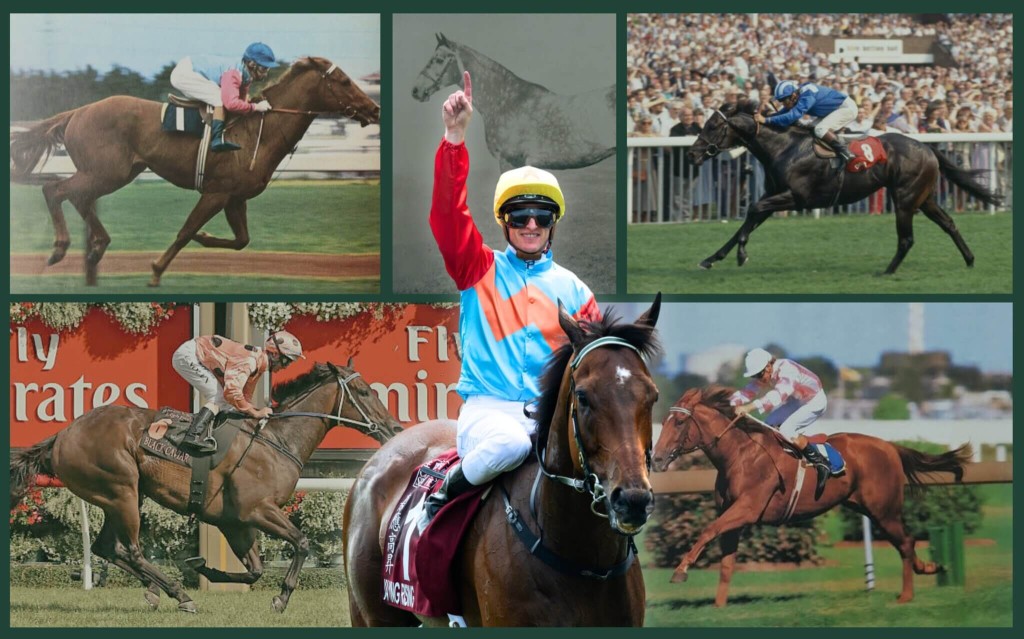
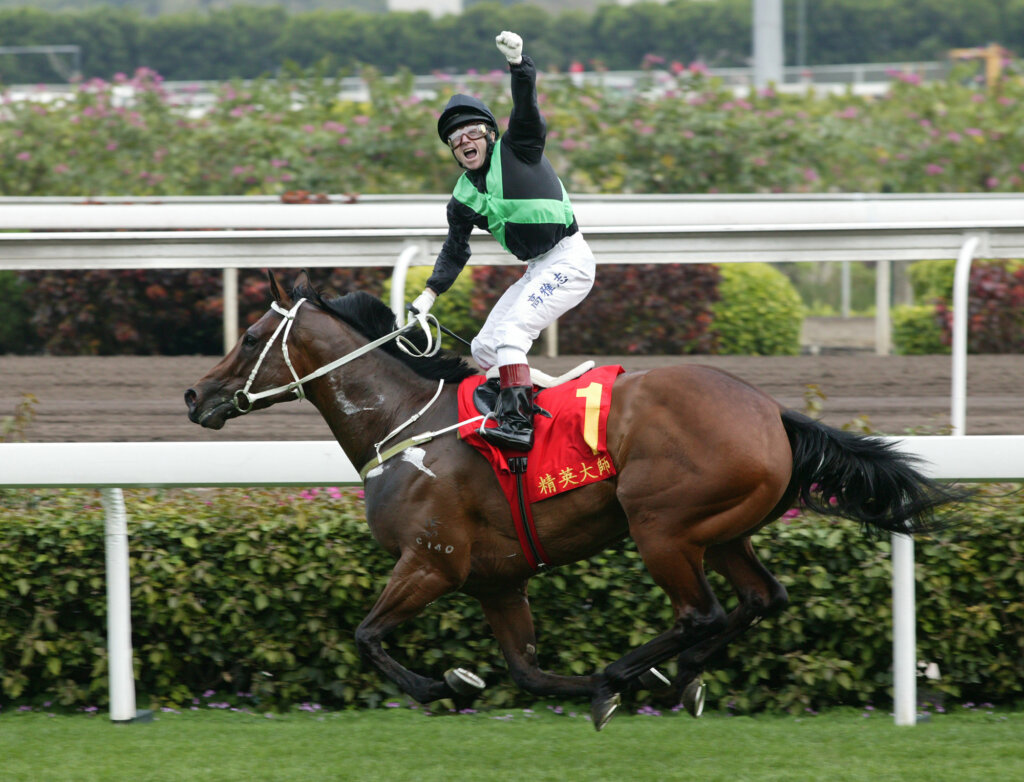
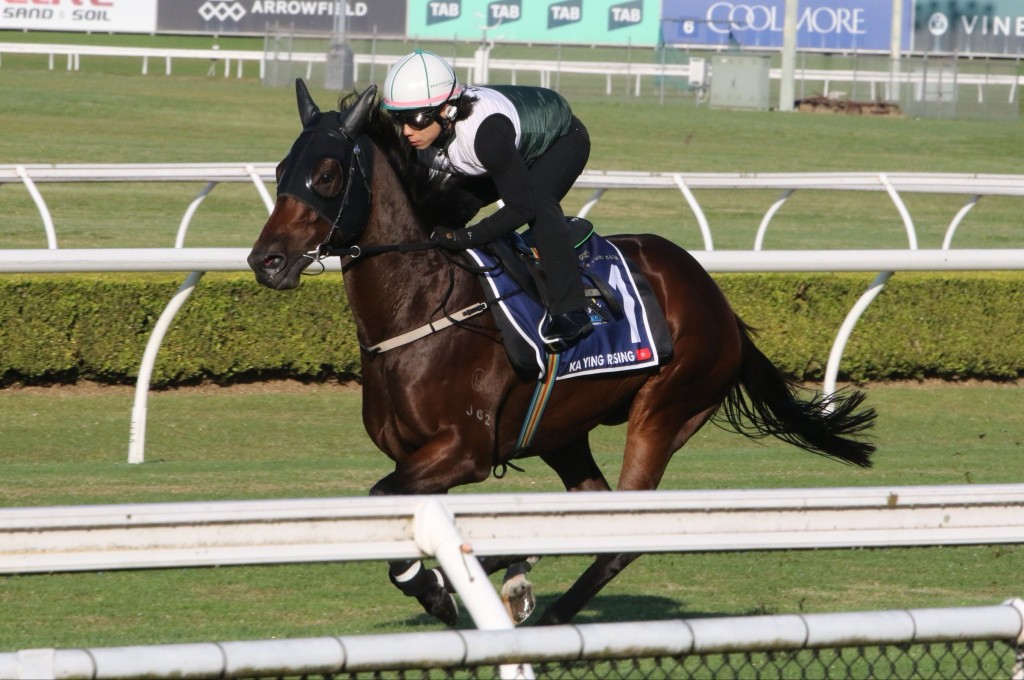
KA YING RISING, (clockwise from bottom left) BLACK CAVIAR, VAIN, ABERNANT, DAYJUR, MANIKATO / Illustration by Idol Horse
With his 21 straight wins, track records, lofty rating and one Everest in the bag, Ka Ying Rising is in the mix for any discussion around racing’s best turf sprinter. But who else is in the discussion?
ADVERTISEMENT
SCROLL TO CONTINUE WITH CONTENT
Who is the greatest? It’s a question that has been asked and debated countless times across the sporting spectrum: Ali or Robinson, Pele or Maradona, Jordan or LeBron, Frankel or Sea The Stars, Black Caviar or Ka Ying Rising? From Madison Square Garden to the local pub to the keyboards of the contentious sit-at-home warriors, the arguments have raged and will continue to rage.
The debate is subjective: on the one hand, accepted narratives can become so established as to become unbreakable ‘facts’; on the other, recency bias can distort opinion. And then there are the contrarians, always popping up to say white is black and maybe the earth is flat after all.
It’s rare that you get an obvious standout, like Don Bradman in cricket. Regarded in almost all corners as the greatest batsman the sport has ever produced, with style and brilliance backed up by incredible statistics and career longevity. But, even then, Indian cricket fans would mount an almost religious argument for the great Sachin Tendulkar, “The God of Cricket”. They’d have a case.
Last week, the respected Group 1 trainer William Haggas – son-in-law of Lester Piggott, the man many would argue was the greatest jockey who ever lived – stoked the fuel of the Frankel versus Sea The Stars debate, saying the latter was “the greatest” of all.
“In my opinion Sea The Stars was the best horse I’ve seen and I don’t say that lightly,” Haggas said. “He was unfortunate to come just before Frankel and Frankel was a story, it was as much about Henry (Cecil) as it was the horse.”
Well, everyone is entitled to their opinion.
But that’s part of what makes sport so engrossing; the eternal debate about who’s the best, even when the arguments might be left-field or downright daft.
It’s a big part of what fascinates about Ka Ying Rising’s attempt at winning The Everest again. The hype is real. Hong Kong’s champion has already proven he’s one of the best sprinters the world has ever seen. He might be the best there’s ever been.
But which other turf sprinters come into that debate? Here’s a look at five up alongside who would have given him a run for his money if the stars had aligned and they’d all raced in the same era. Who’s the greatest is an impossible question to answer conclusively, but if Ka Ying Rising wins a second The Everest and keeps doing what he’s been doing, he’ll deserve to be in discussions about the best racehorse ever, not just the best sprinter.
Ka Ying Rising
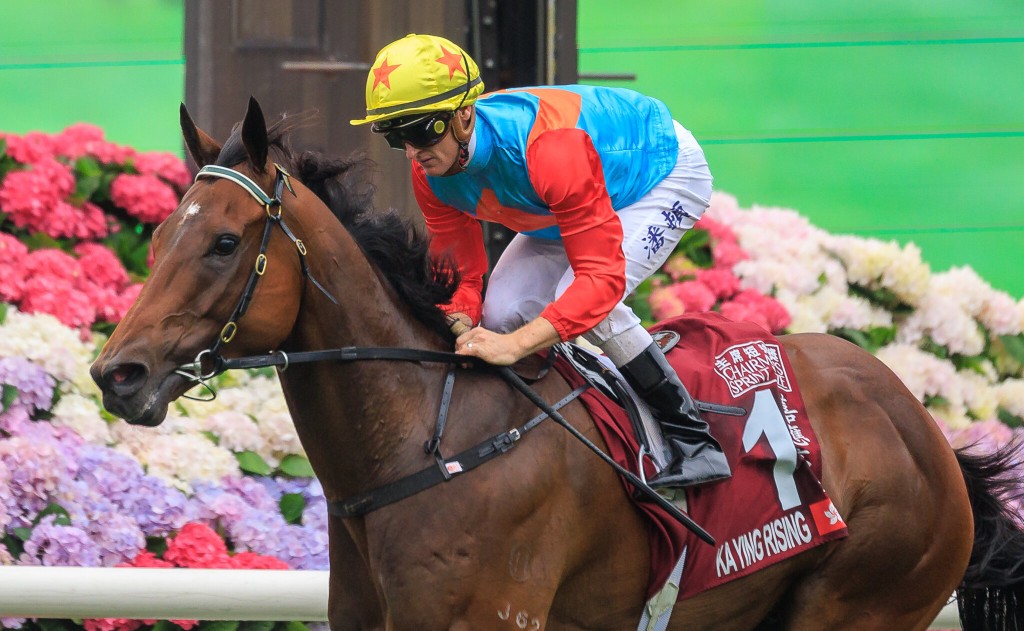
Official Rating: 135 Race Record: 24: 22-2-0 Biggest Wins: The Everest, Hong Kong Sprint (x2), Chairman’s Sprint Prize (x2), Queen’s Silver Jubilee Cup (x2), Centenary Sprint Cup (x2)
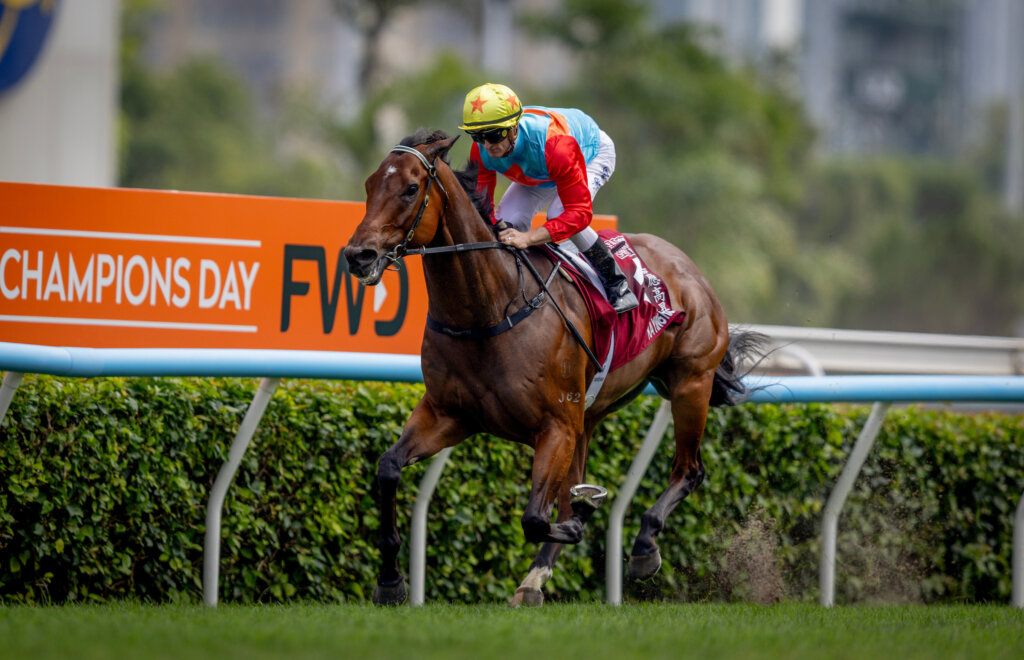
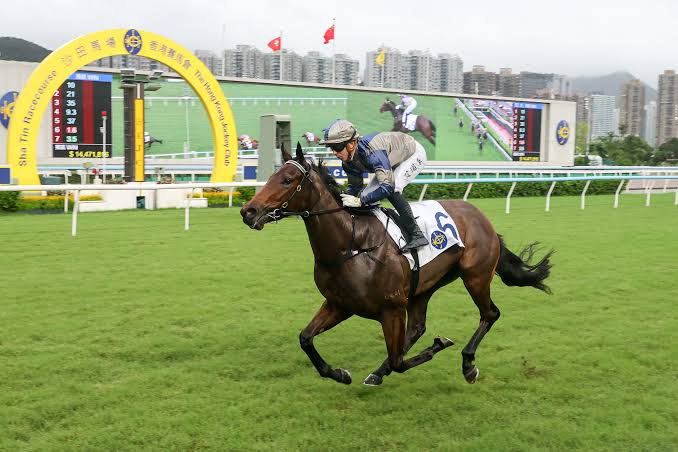
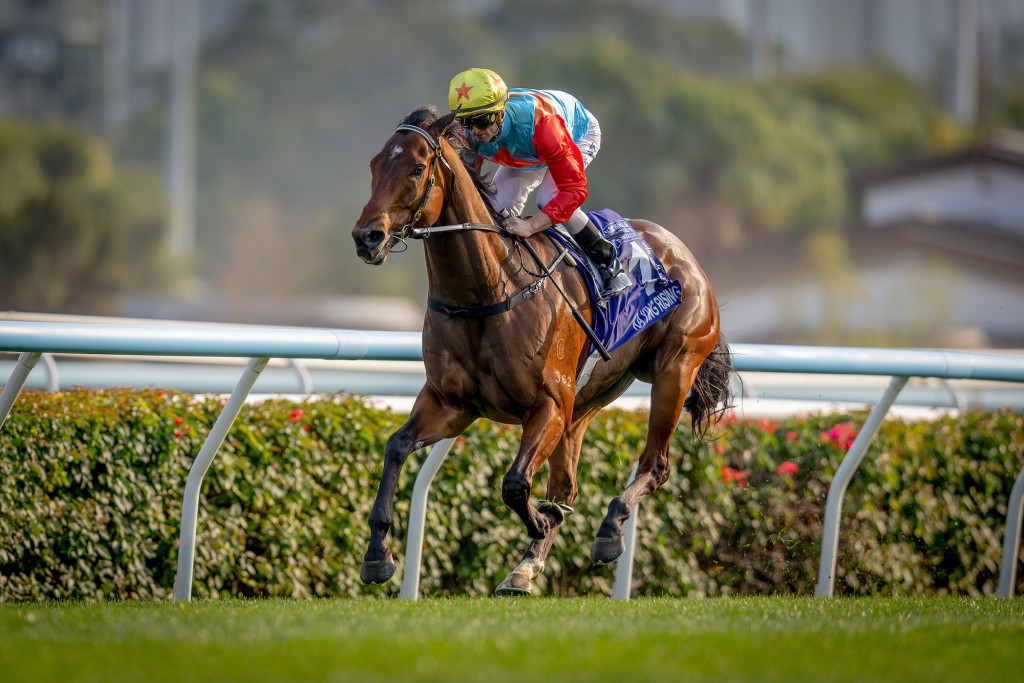
Ka Ying Rising has taken the mantle of Hong Kong’s greatest from the mighty Silent Witness and has emerged as a world star, leading the official world rankings this year with a rating of 135 and a Timeform figure of 137. His 24 straight wins have been achieved in increasingly impressive fashion, breaking the Sha Tin track records for 1200m and 1400m when barely breaking sweat. He has beaten the best on his home patch, including Japan’s top sprinter Satono Reve, and his win in The Everest last year put the Australians in their place, even though he wasn’t even firing at his best.
KA YING RISING, ZAC PURTON / G1 Chairmans Sprint Prize // Sha Tin Sha /// 2026 //// Photo by HKJC
Black Caviar
Official Rating: 132 Race Record: 25: 25-0-0 Biggest Wins: Diamond Jubilee Stakes, Lightning Stakes (x3), T J Smith (x2), Patinack Farm Classic (x2), Newmarket Handicap
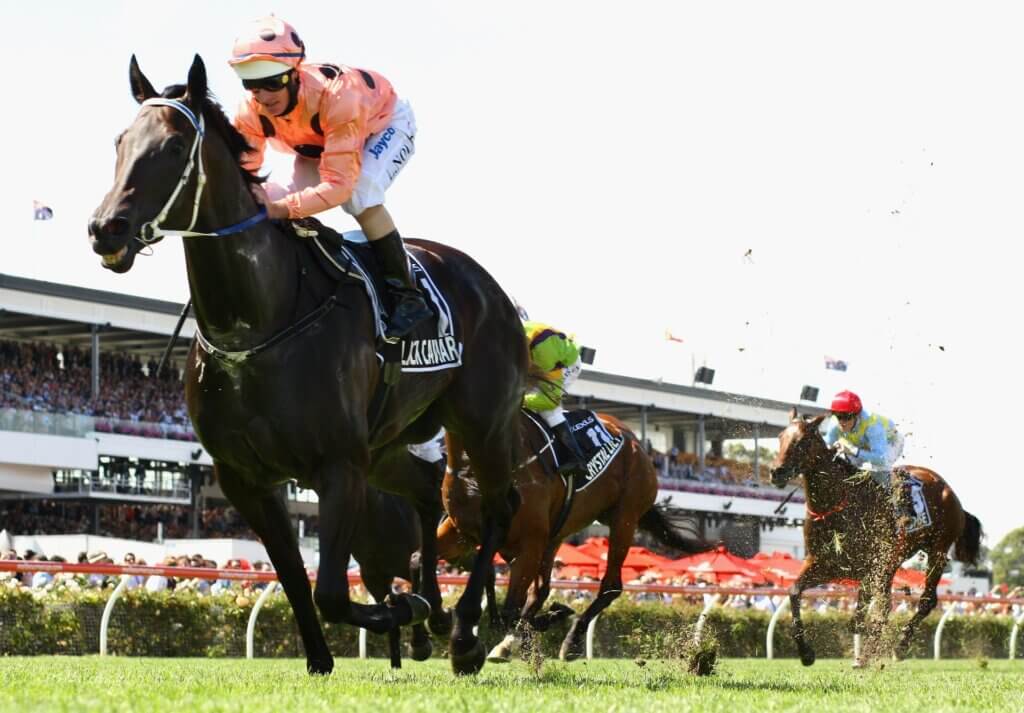
Black Caviar’s powerful speed was a wonder to behold. The great unbeaten mare came into her own as a four-year-old winning eight races, six at Group 1 level. Her first Group 1, the Patinack Farm Classic, saw her demolish a top-class field by four lengths. Her five-year-old season was more impressive still, and she rounded it off with a win in the Diamond Jubilee Stakes at Royal Ascot, despite being below her best, having torn a muscle during the race. She was back at six, still putting daylight on her rivals, and ended her career with her 25th win and 15th Group 1 in the T J Smith Stakes. A measure of her greatness was the ease with which she defeated sprinters of real quality, the likes of Hay List, Ortensia, Star Witness, Buffering, Scenic Blast and more. Her peak Timeform rating was 136.
BLACK CAVIAR, LUKE NOLEN / G1 Newmarket Handicap // Flemington /// 2011 //// Photo by Mark Dadswell
Abernant
Official Rating: N/A Race Record: 17: 14-2-0 Biggest Wins: July Cup (x2), King’s Stand Stakes, Nunthorpe Stakes (x2), Middle Park Stakes
Abernant was a phenomenal sprinter who took after his granddam Mumtaz Mahal in color (grey) and electric brilliance. He earned a Timeform rating of 133 as a juvenile after winning the Middle Park. At three, he was beaten a shorthead over a mile in the 2,000 Guineas, but dropped down in distance afterwards, winning the King’s Stand at Royal Ascot. He would win the July Cup, the Nunthorpe Stakes and the downhill King George Stakes at Goodwood in 1949 and 1950. A champion at two, three and four, his peak Timeform rating of 142 made him the equal of the legendary European champion Ribot, a two-time Prix de l’Arc de Triomphe winner. Only Flightline (143), Tudor Minstrel (144), Brigadier Gerard (144), Seabird (145), and Frankel (147) have rated higher according to Timeform.
Manikato
Official Rating: N/A Race Record: 47: 29-8-5 Biggest Wins: Golden Slipper, George Ryder Stakes (x2), William Reid Stakes (x5), Doomben 10,000, Caulfield Guineas
Manikato was as durable as he was talented and spanned the 1970s into the 1980s as a champion worthy of legend. He won the Blue Diamond and Golden Slipper at two and from then on his status continued to grow. He stretched beyond sprints to win at a mile and at 1800m – he even attempted 2000m – he carried hefty weights in defeat and to victory. He overcame bleeding and a suspensory tendon injury, he broke track records, and he never ducked a challenge. At seven years old, he was still turning up at the highest level and won five of 11 starts that season before retirement. He raced in the days before the IFHA’s official ratings but earned a Timeform rating of 136.
Dayjur
Official Rating (International Classifications): 131 Race Record: 11: 7-3-0 Biggest Wins: King’s Stand, Prix de l’Abbaye, Nunthorpe Stakes, Haydock Sprint Cup
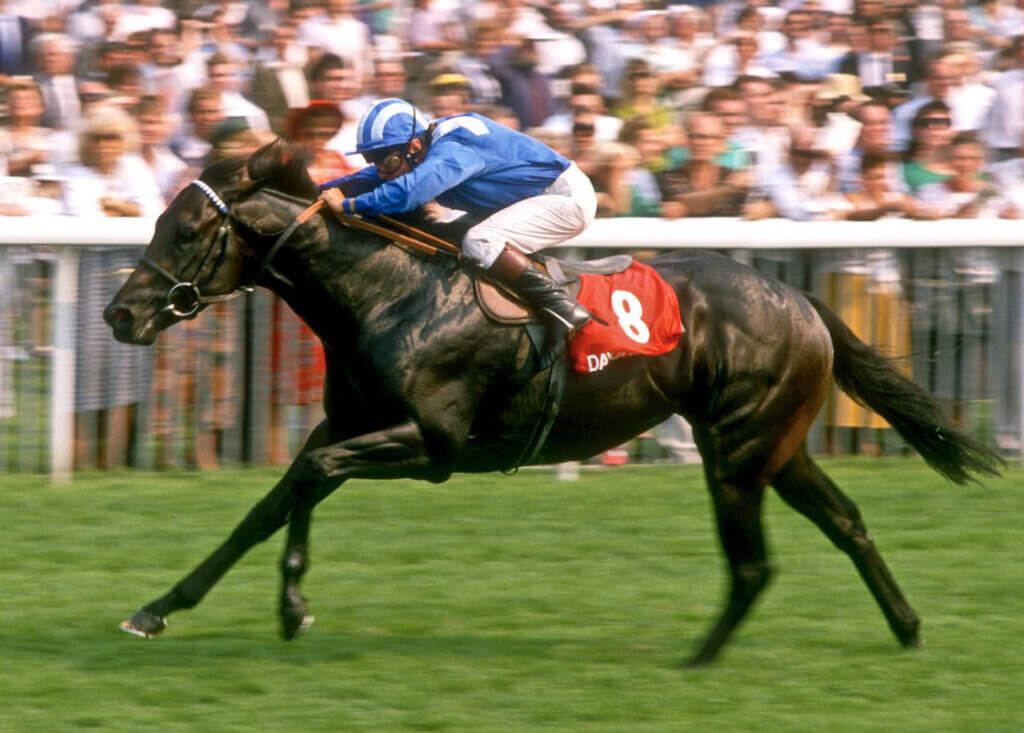
The European summer and autumn of 1990 was all about the sensational Dayjur. After a muddling early career, which included failing to stay a mile in the spring, the Major Dick Hern-trained colt was switched to sprinting with incredible results. Dayjur won the Temple Stakes and then the King’s Stand at Royal Ascot to announce his arrival; he was on another plane in winning the Nunthorpe Stakes, took the Sprint Cup easily, and cruised to victory in the Prix de l’Abbaye. Had he not jumped the shadows at Belmont Park, he’d have won the Breeders’ Cup Sprint on dirt as well. Europe’s best sprinter of the last 40 years earned a Timeform rating of 137.
DAYJUR, WILLIE CARSON / G1 Nunthorpe Stakes // York /// 2026 //// Photo from @USASteeplechase (X user)
Vain
Official rating: N/A Race Record: 14: 12-2-0 Biggest wins: Golden Slipper, Freeway Stakes (now the Manikato), Ascot Vale (now the Coolmore Stud Stakes), Craven A Stakes (now the Champions Sprint), Caulfield Guineas
Australia’s incredible champion of the late 1960s was unbeaten as a juvenile, and as well as winning the Golden Slipper, Jim Moloney’s charge took out the Champagne Stakes by 10 lengths. As a three-year-old he did what great champions do, he stretched out beyond his comfort zone and won the Caulfield Guineas at a mile. And in an eight-day spell during the 1969 Spring Carnival, Vain won three races, by 12 lengths, six lengths and a length; the last carrying 10lb more than weight-for-age. He was given a Timeform rating of 136.
Honourable Mentions
Japan’s greatest sprinter, Lord Kanaloa, is on the coattails of the above group. He earned an official IFHA rating of 128 (Timeform: 133) for his sensational win in the Hong Kong Sprint of 2013, his second victory in the race. That figure seems conservative, the speedy son of King Kamehameha surged five lengths clear of the King’s Stand Stakes winner Sole Power. Lord Kanaloa won both of Japan’s Group 1 sprints, the Takamatsunomiya Kinen and the Sprinters Stakes (twice) and retired with 13 wins from 19 starts.
Silent Witness (Official rating: 123; Timeform: 132) will always be remembered in Hong Kong as their first global star and his dominant career through 17 consecutive wins created a lasting legend. He was followed by the brilliant world champion sprinter Sacred Kingdom (Official rating 123; Timeform: 131). Both were special racehorses, but then both of their trainers, Tony Cruz and Ricky Yiu, have conceded that Ka Ying Rising would have beaten their champions at 1200m.
Abernant’s granddam Mumtaz Mahal – ‘The Flying Filly’ – was a daughter of the horse widely regarded as the fastest juvenile to set foot on a European racetrack in the first half of the 20th Century, The Tetrarch. A speedy juvenile herself when her wins included the Queen Mary at Royal Ascot, Mumtaz Mahal was classy enough to place second in the 1924 1,000 Guineas at three before reverting to sprints. She toyed with her rivals in the six-furlong King George Stakes and then blitzed them in the five-furlong Nunthorpe Stakes by six lengths.
Australian star Todman earned a Timeform rating of 135 as reward for his brilliant career. He won the first Golden Slipper by 10 lengths and as a three-year-old stretched out to win the Canterbury Guineas over nine and a half furlongs. But he was a brilliant sprinter, returning from a long injury lay-off to win three from three at age five, including the Lightning Stakes.
SILENT WITNESS, FELIX COETZEE / Sha Tin // Photo by HKJC
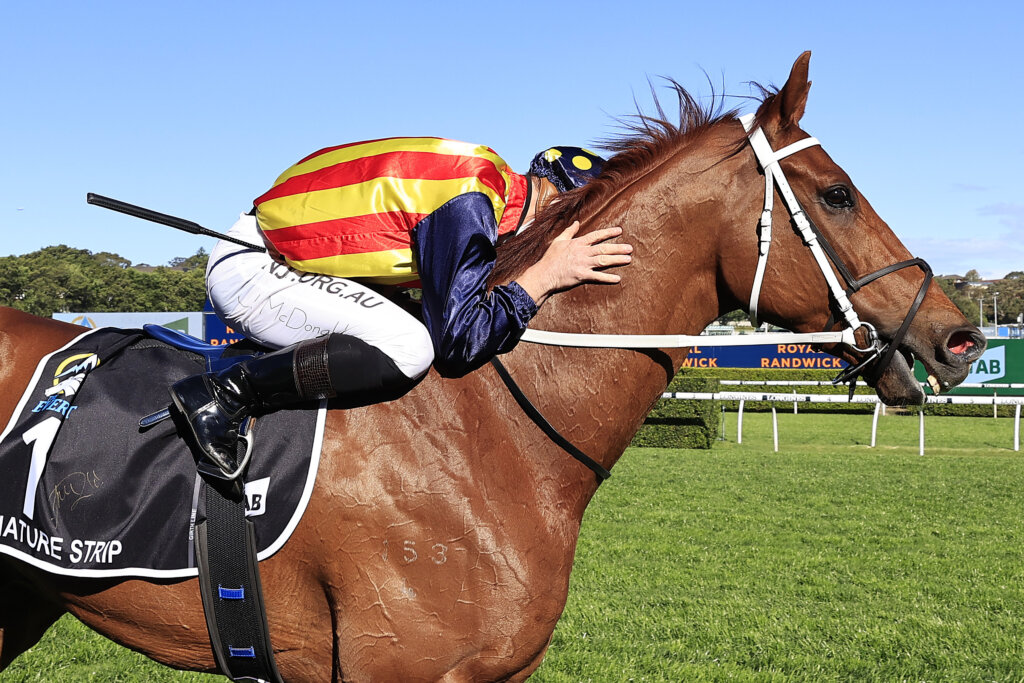
SYDNEY, AUSTRALIA – OCTOBER 16: James McDonald returns to scale after winning the Everest on Nature Strip during Sydney Racing at Royal Randwick Racecourse on October 16, 2021 in Sydney, Australia. (Photo by Mark Evans/Getty Images)
Nature Strip is a horse that wouldn’t be mentioned in the same bracket as Vain, Manikato, Black Caviar or Todman, yet his record is impressive enough and worthy of mention: three T J Smith wins, two Darley Sprint Classics, the Lightning Stakes, Moir, The Galaxy, The Everest and the 2022 King’s Stand. That fantastic career gave him an official IFHA world’s best racehorse rating of 126 and a peak Timeform rating of 135.
British sprinter Pappa Fourway started out his three-year-old season in 1955 contesting handicaps before progressing to become one of the best sprinters ever to race. Carrying hefty weights of 133lb and 132lb he won with daylight back to his rivals until switched to level-weights in the July Cup at Newmarket, which he won easily, as he did when conceding 14lb to win the King’s Stand Stakes at Ascot. He scared off rivals, facing only one or two opponents at times, and still earned a Timeform rating of 139.
Two more from Britain are Right Boy and Moorestyle, both with Timeform ratings of 137. Right Boy won all of the July Cup, King George Stakes, Nunthorpe Stakes and Cork And Orrery back-to-back in 1958 and 1959, and also won the King’s Stand at the Royal meeting as a three-year-old in 1957. Meanwhile, Moorestyle, whose rating in the old International Classifications was 131, numbered the July Cup, Nunthorpe, Haydock Sprint Cup, Prix de l’Abbaye and Prix Maurice de Gheest among his big race haul at ages three and four in 1980 and 1981.
Battaash was not a dominant champion by any means but did register an official IFHA rating of 126 and an eyebrow-raisingly high Timeform rating of 136. He won the Prix de l’Abbaye, The King’s Stand, the Nunthorpe Stakes twice and the King George at Goodwood, all at five furlongs. A one-trick pony but very fast on his day.
Finally, here’s one from left-field, but if you can look past his mercurial nature and focus on his good days, Chautauqua was a sprinter with special ability. His official rating was only 122 and his Timeform rating 127, but given his style, as a come-from-behind closer, he was always going to be up against it to post big figures. His three T J Smith wins and his stunning victory over Hong Kong’s best at that time in the 2016 Chairman’s Sprint Prize give pause for consideration.