Read More
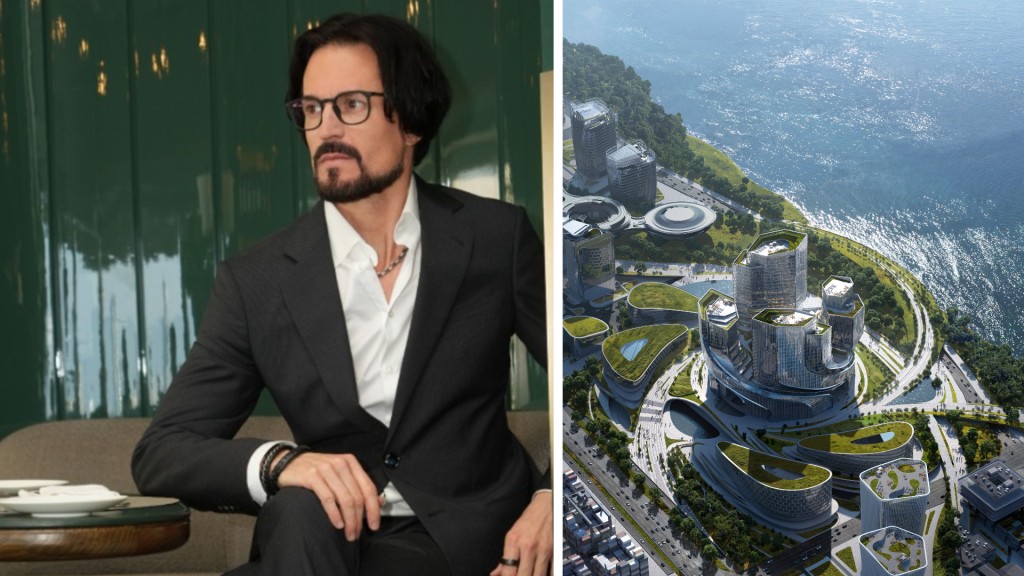
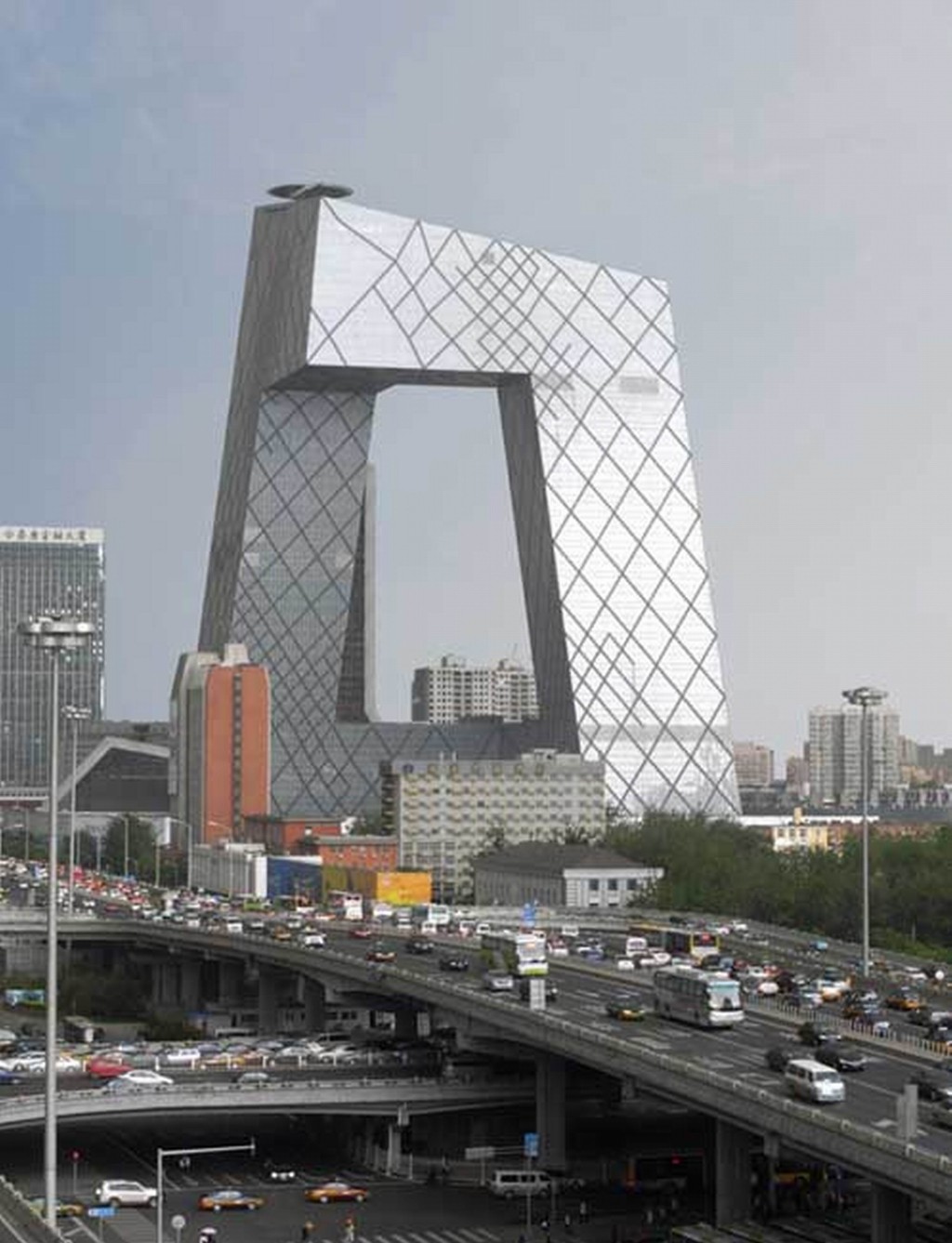
For world-renowned German architect Ole Scheeren, the visionary behind Beijing’s iconic CCTV headquarters and Singapore’s transformative The Interlace, Hong Kong is more than just a potential project site – it is a strategic home and the birthplace of his Asian journey.
ADVERTISEMENT
SCROLL TO CONTINUE WITH CONTENT
Arriving in Hong Kong 33 years ago as a curious student, Scheeren viewed the city as his “first landing spot” before venturing into a then-largely undiscovered mainland China.
“From here, I crossed over to Shenzhen. I took a boat up the river to Guangzhou, then went into the country for three months to explore everything I could find. It was a very big adventure,” he recalled.
This personal history forged an enduring link. When he set out to establish his architectural practice in Asia over 15 years ago, he simultaneously opened offices in Hong Kong and Beijing, envisioning them as a “collaborative network.” This approach fosters teamwork across all locations, including London and Berlin, rather than treating them as “separate entities.”
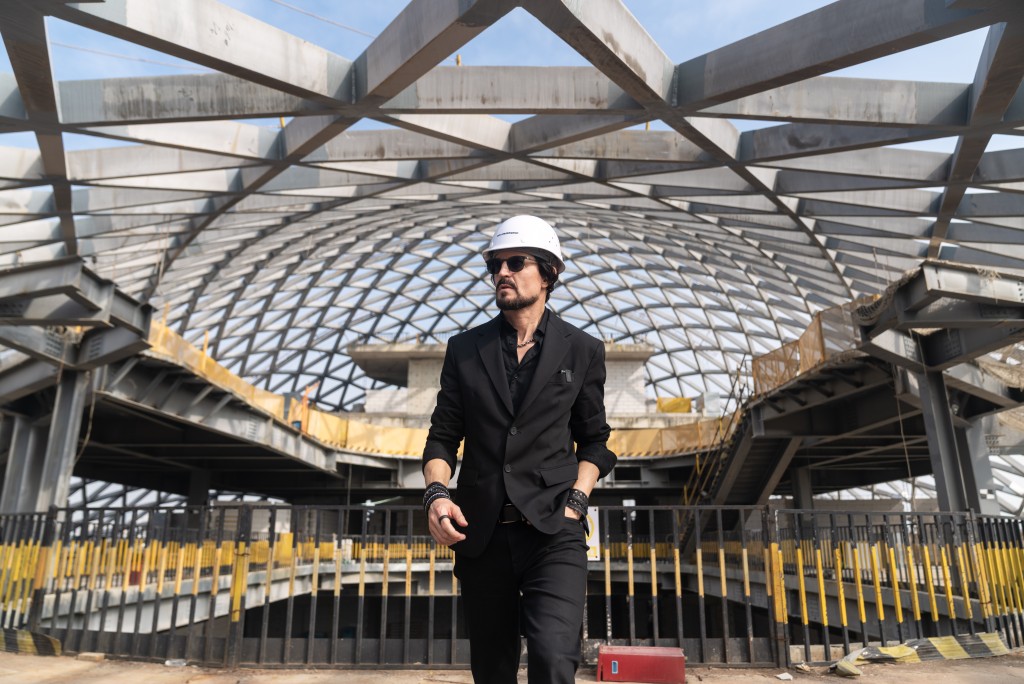
At present, Scheeren’s practice is thriving, with nearly 20 million square feet under construction globally, primarily in China, including headquarters for industry leaders such as Tencent, JD.com, and ZTE.
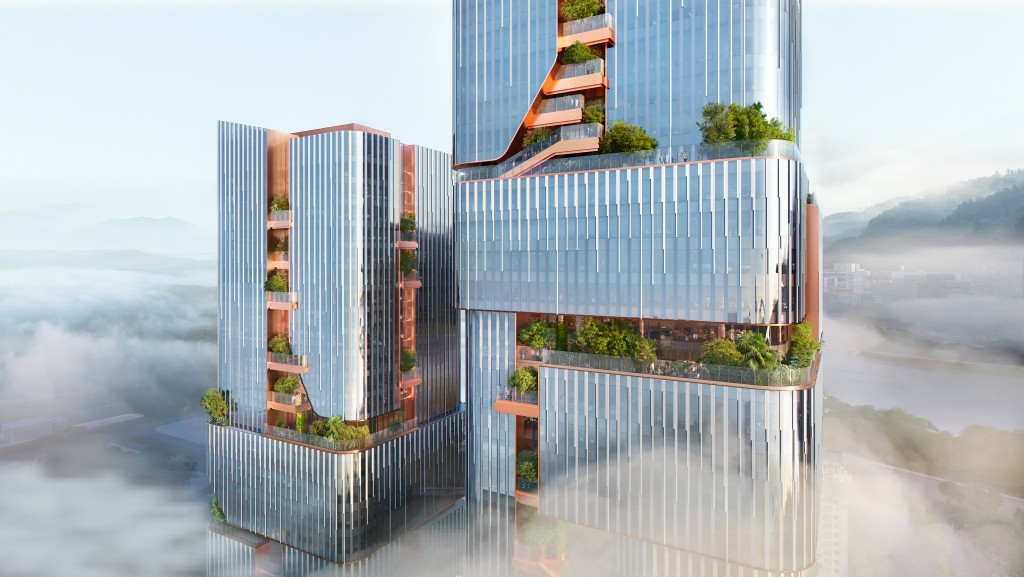
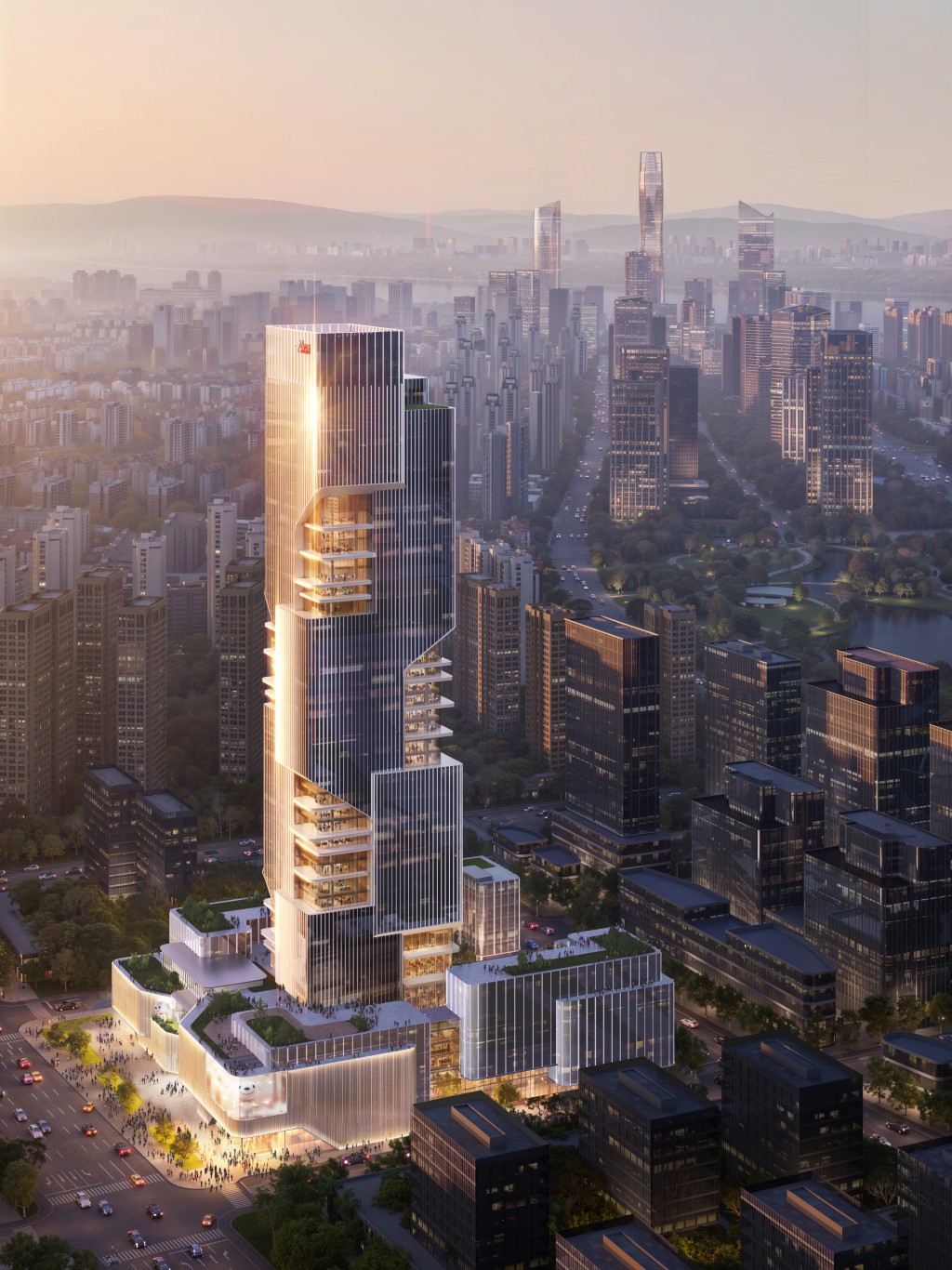
+1
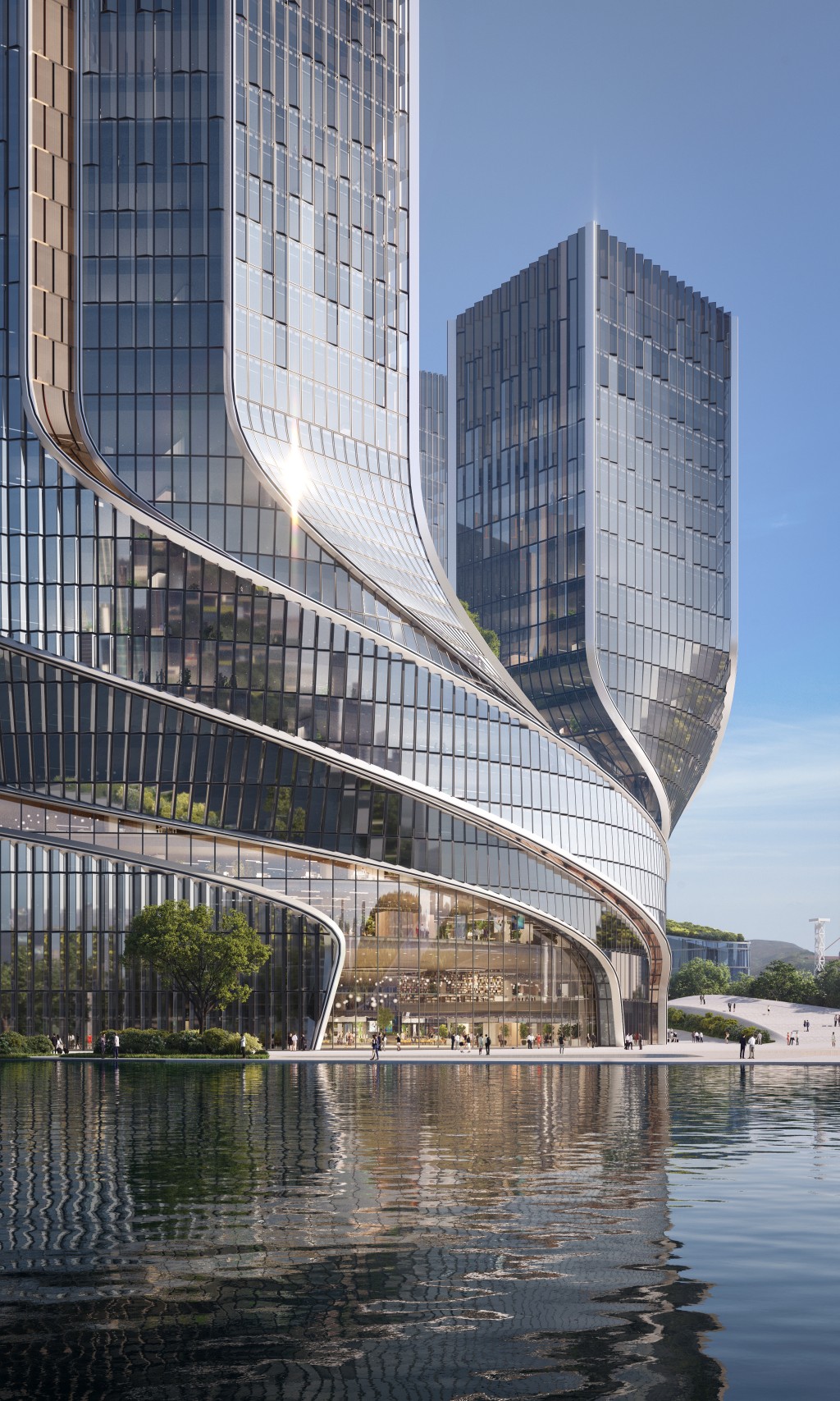
Scheeren underscores Hong Kong’s irreplaceable role as a “connector and a catalyst,” where its geographical and professional dynamism enables his firm to manage and connect projects across Asia with unparalleled efficiency. “Within five hours, you can reach anywhere relevant in Asia,” he noted.
Furthermore, he capitalizes on Hong Kong’s robust business environment and rich talent pool. His office here plays a “strategic leadership role,” drawing on local expertise in finance, technical execution, and cross-cultural dynamics.
“The role of the Hong Kong office is different. We are really overseeing a lot of things from here. We are running the main part of the business from here,” he said.
But despite having maintained the office for over 15 years, Scheeren has yet to complete a project in the city, and is waiting for the right opportunity. He shared his perspective on Hong Kong’s architectural future and the challenges it presents.
“Efficiency has always governed Hong Kong. But sometimes, it may be a misassumption that efficiency must be boring,” he reflected, rethinking the classic challenges of high land and construction costs, and immense spatial demands.
As he looks to the future, where artificial intelligence plays an increasingly significant role, Scheeren approaches its integration in architectural design with cautious optimism. He sees AI as a tool for optimization, yet insists that it should never replace essential human judgment.
“Architecture, you cannot create by checklist … the adventure of our lives is maybe something that we still need to imagine ourselves,” he said.
While he awaits the perfect architectural commission in Hong Kong itself, the city remains the operational heartbeat of his firm’s extensive work in the region.
Designing buildings that nurture human potential
True architectural opportunities align with a deeper philosophy: creating value that transcends cost while crafting sustainable spaces defined by human experience, not just energy metrics, a vision at the core of Ole Scheeren’s work.
For Scheeren, the goal is not just to minimize expenses but to maximize value. “What is crucial is the relationship between cost and value. You must understand how much value you can create for what expenditure,” he emphasized.
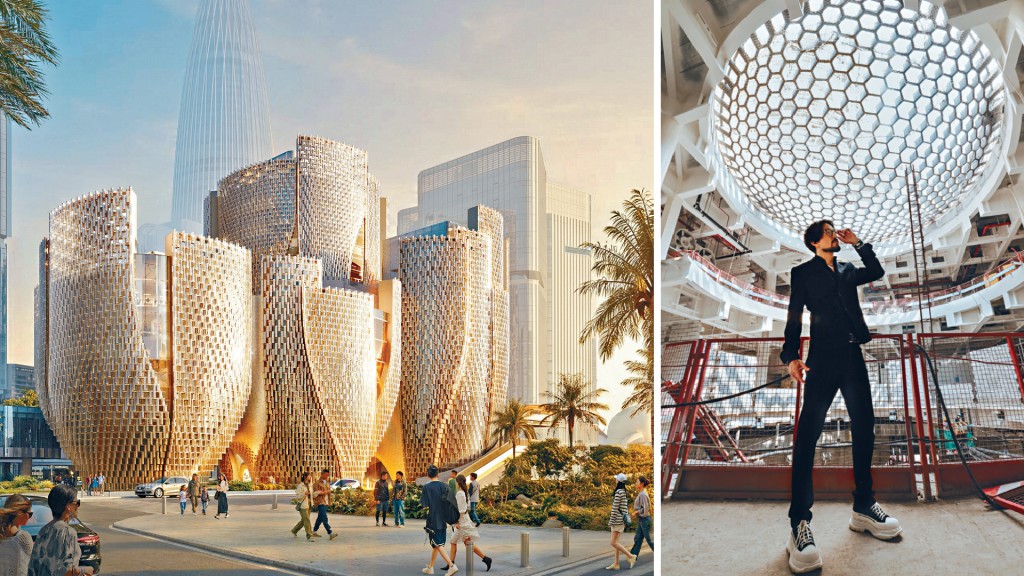
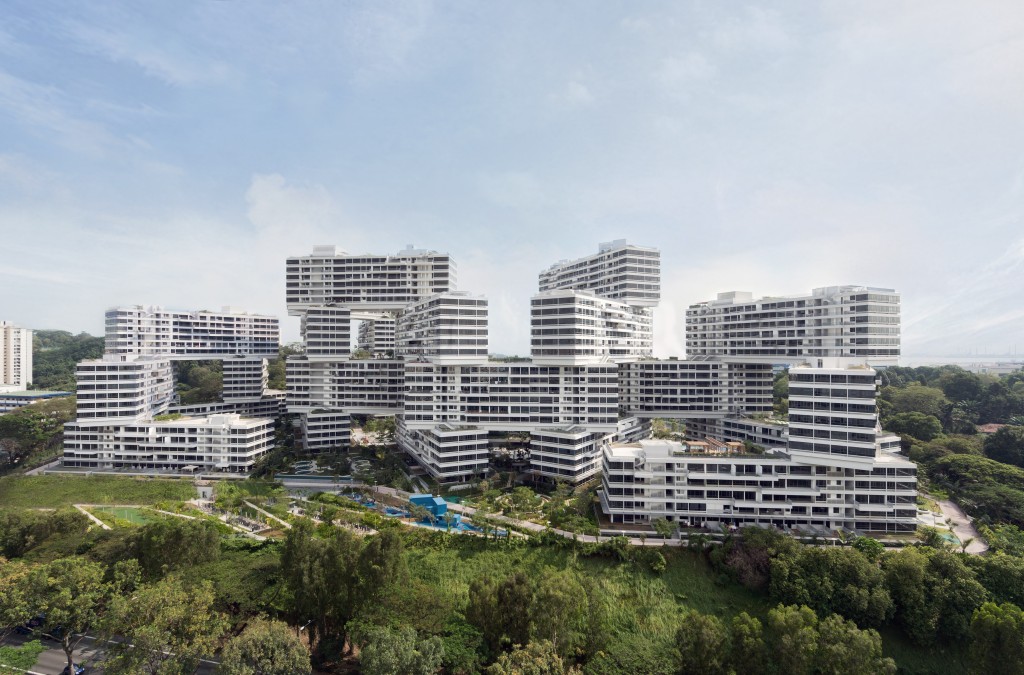
He cited successful projects like The Interlace, a stacked six-story residential complex that promotes expansive communal spaces and natural integration, yielding economic gains that surpass construction costs. His Vancouver tower, Fifteen Fifteen, features expansive cantilevers – long bars, each fixed only at one end – and public spaces that enhance residents’ connections to urban environments and nature.
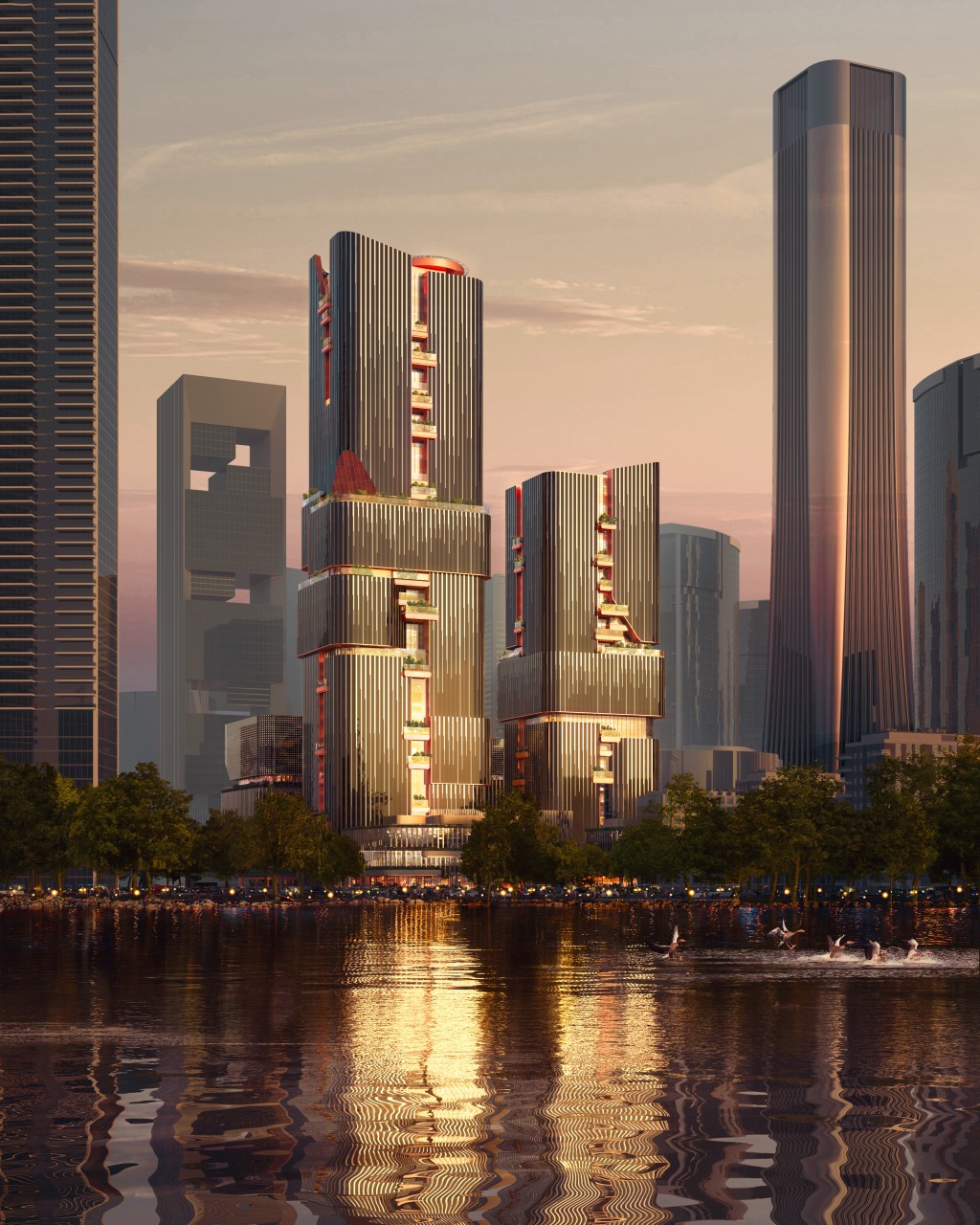
Scenic City
Trained in Germany, where energy efficiency is crucial, he advocates for a holistic, human-centric approach to sustainability. “A building that may consume 20 percent less energy … but which is half empty, it may be demolished again in 20 years because it was bad. This is the most unsustainable.”
Sustainability, for him, relates directly to the quality of life for people. Critiquing shallow efforts like hastily adding greenery, he argued that true sustainability involves creating beloved, resilient spaces that adapt within the community.
Citing old European buildings that have served diverse functions for centuries, he noted: “It was the idea of creating nature as usable space, as habitat, something that people can enjoy, not only as a decorative message.”
Northern Metropolis: a vision for HK’s next chapter
Scheeren sees great potential in Hong Kong’s Northern Metropolis development, but urges that it must be driven by a strong, holistic vision – encouraging people to “not just believe in building something or expanding, but really creating a vision for how the Northern Metropolis could help Hong Kong reclaim a leading position in the region.”
He reflects on Hong Kong’s legacy as an “engine” and not only a “gateway” for the region, with others coming to learn from its incredible policies.
Scheeren feels that now is the time to conceive a new vision based on planning, policy, and architecture that will “put Hong Kong back on the map in those terms.”
Observing the city’s current dynamics, he notes that Hong Kong is drawing on its vibrancy and energy, with a resurgence underway. He acknowledges the challenges every city faces due to the pandemic, but sees Hong Kong beginning to re-energize itself.
For a potential Hong Kong project, Scheeren envisions celebrating urban density while finding ways to “dissolve the box.” It would require navigating the stringent economic environment with an imaginative design that enhances livability.
But he is confident it is possible. “Hong Kong’s energy for me is still very much there. And maybe even somewhat resurging now.”
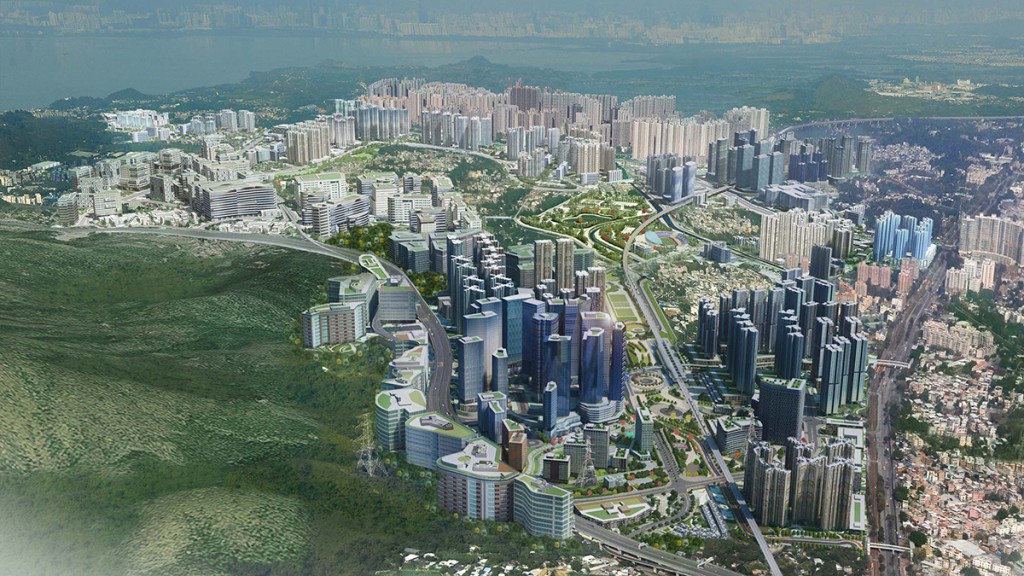
Northern Metropolis