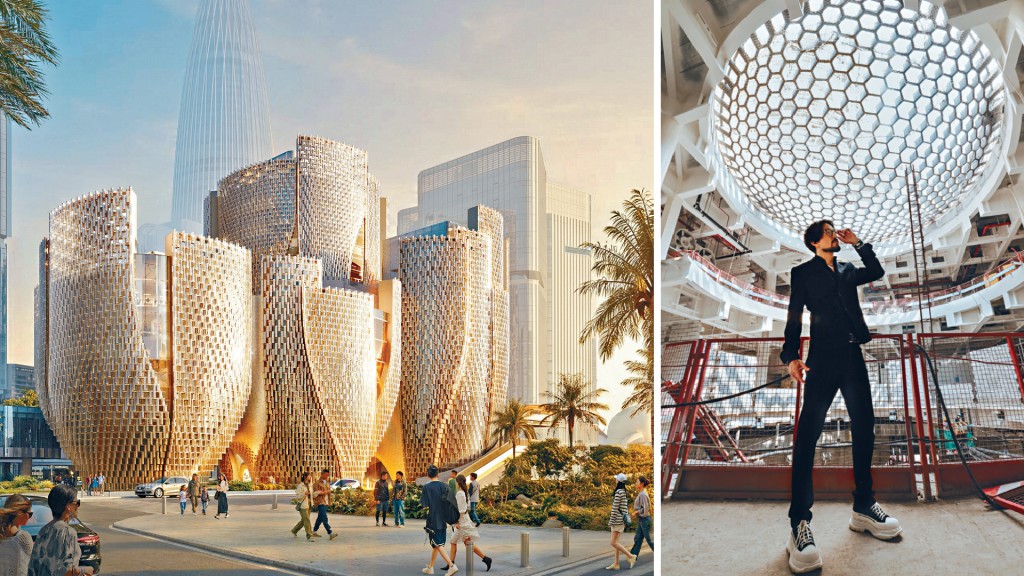
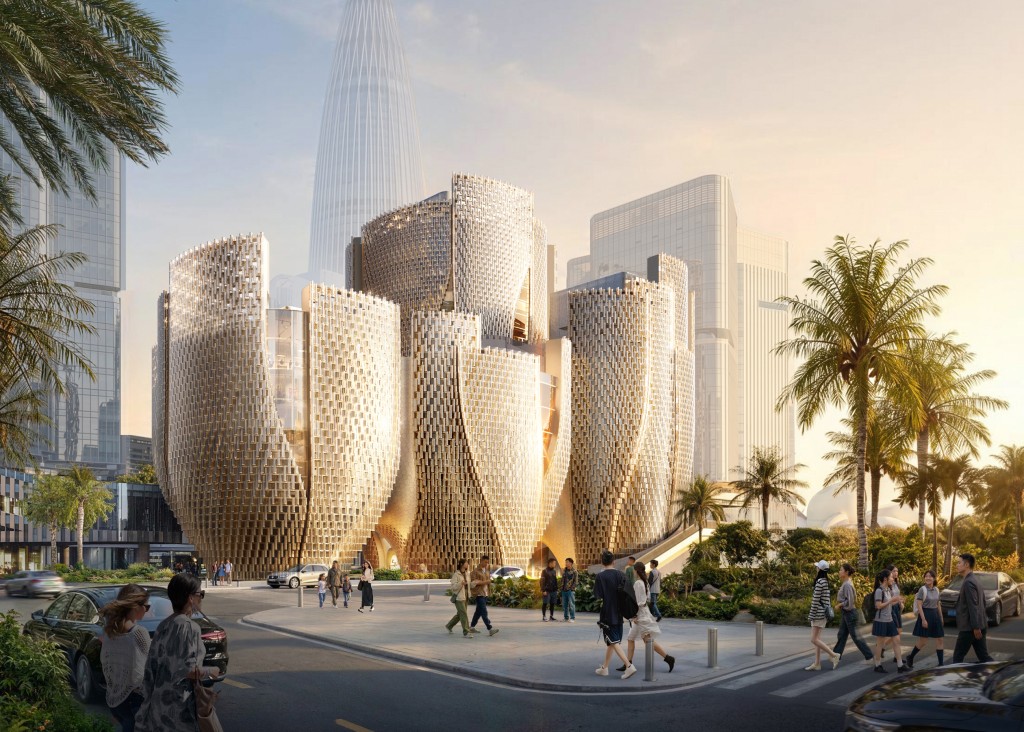
The Róng Museum of Art, a new cultural landmark in Shenzhen’s Nanshan district, is set to redefine how tech-driven cities engage with art and urban life. Unveiled recently as the latest project designed by German architect Ole Scheeren, the 4,500-square-meter museum breaks from the closed-off design of many contemporary cultural venues, instead positioning itself as an open, symbiotic part of the city’s fabric.
Named after the Chinese character for “symbiosis” and “integration,” the museum centers on 20th- and 21st-century visual and digital culture, spanning art, design, architecture, and film. It is commissioned by Tenova Future, a private venture of Tencent co-founder Pony Ma Huateng.
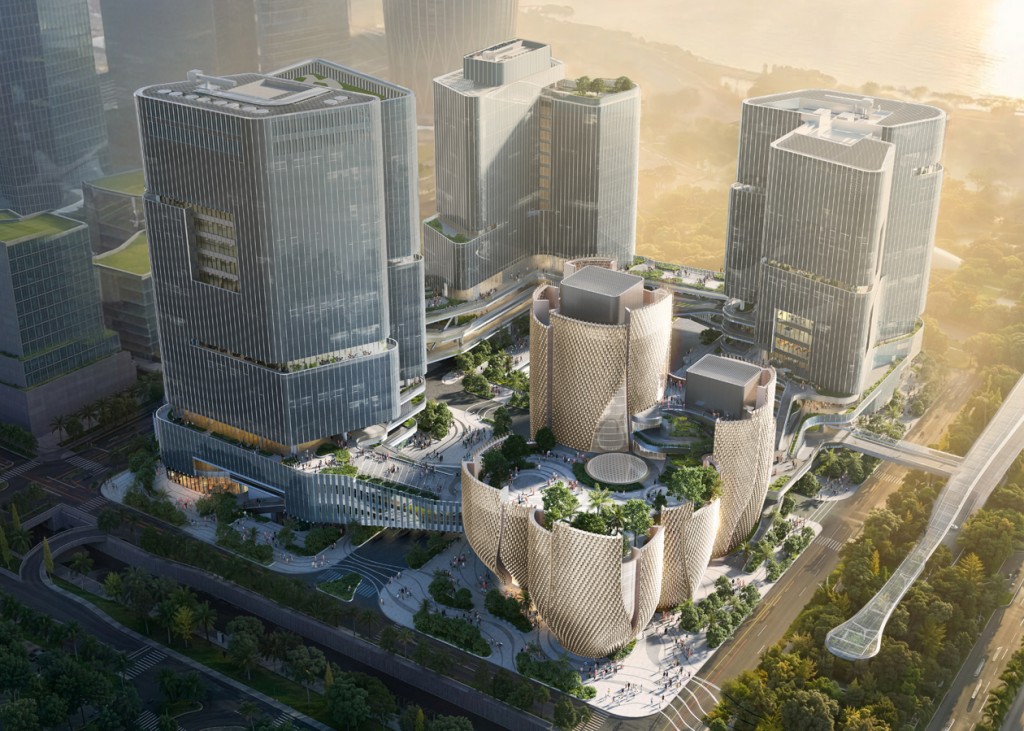
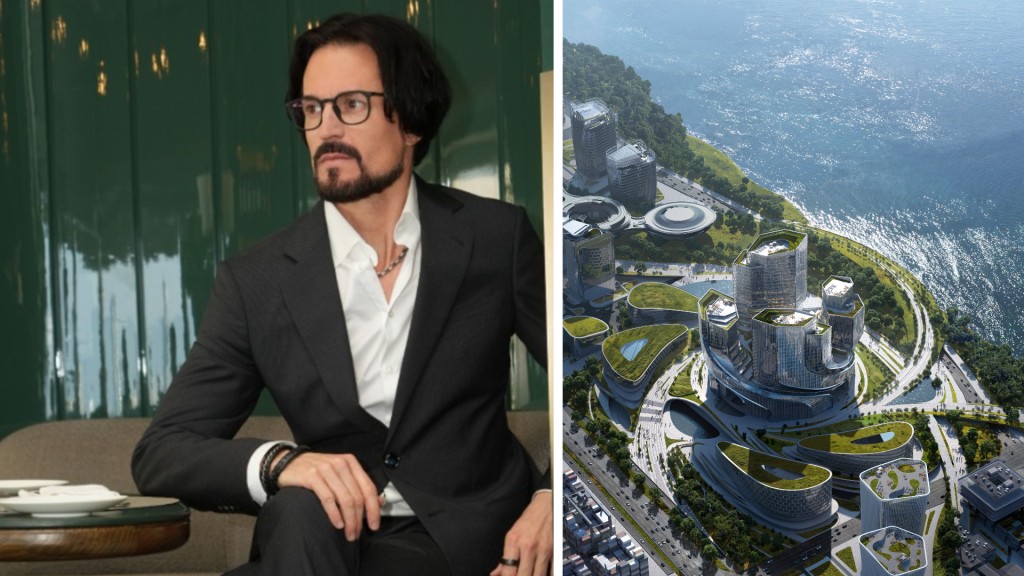
The museum will be the cultural center of the Houhai Hybrid Campus, also known as the M80 campus, a new mixed-use development project designed by Scheeren.
“Around the world, most tech environments are relentlessly self-focused. Here, the ambition is to chart a different path by investing in public space, cultural venues and education, and to use economic success to underwrite a deeper, more generous engagement with the city and wider society,” said Scheeren.
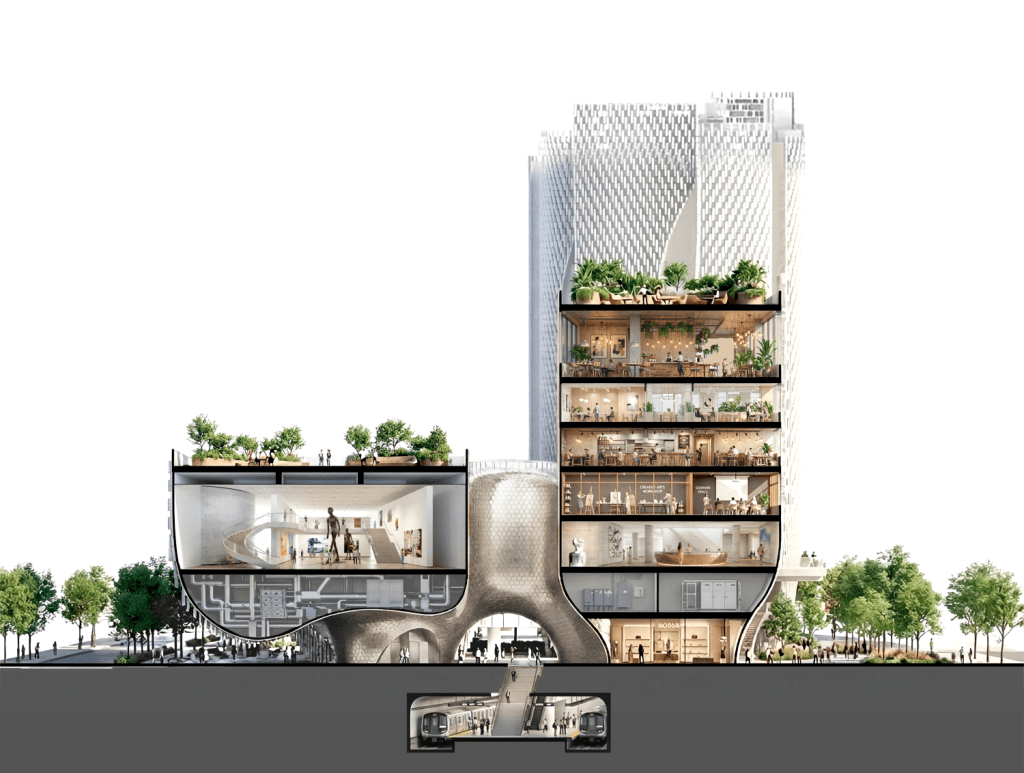
Architecturally, the museum is designed to spark curiosity and encourage movement between the museum, the hybrid campus, and the city around it. The museum features 2,300 sq m of gallery space, along with educational facilities such as a public art library, workshops, and lectures and screening spaces, as well as culture-focused shops, cafes and restaurants.
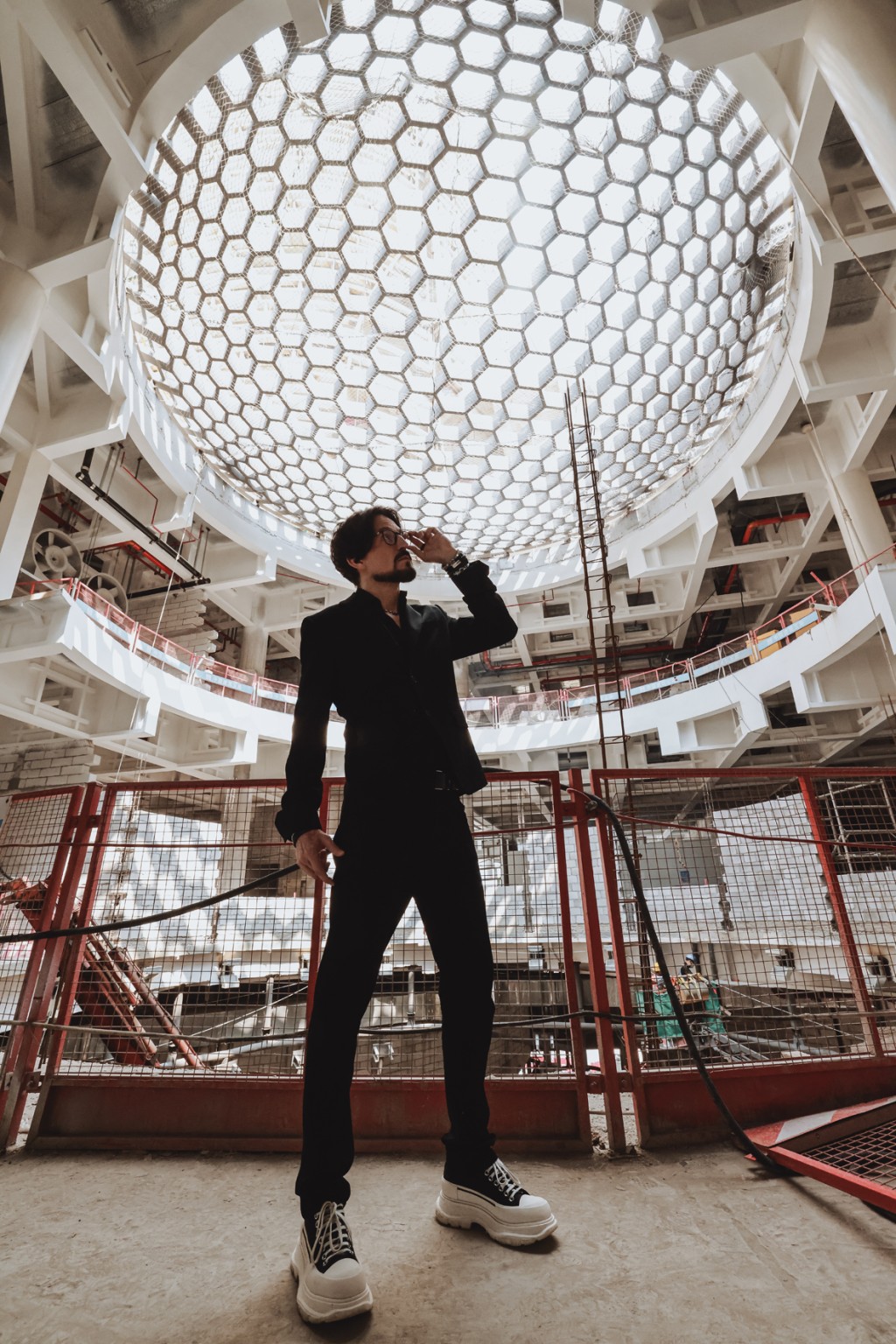
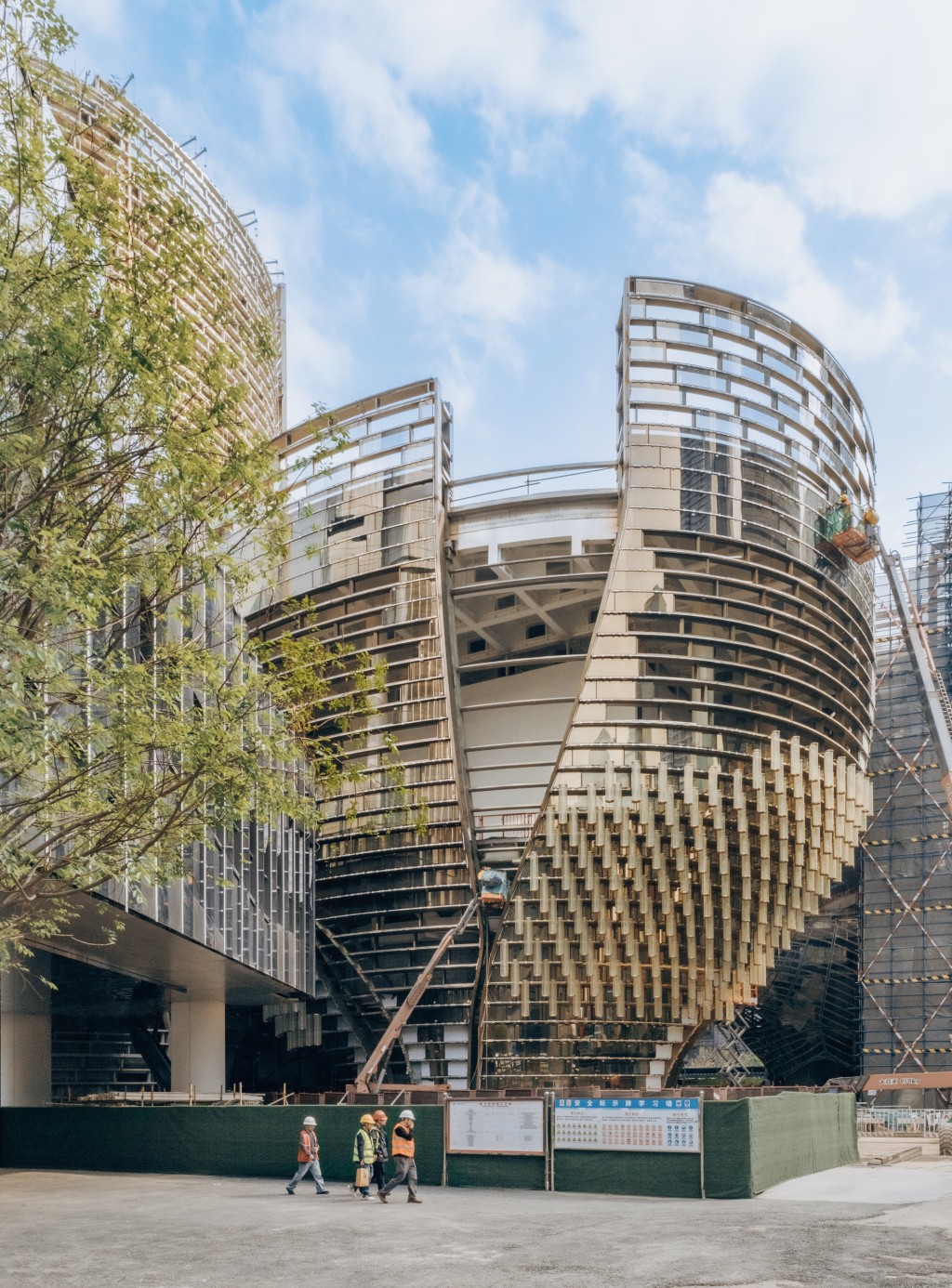
The main exhibition areas are lifted on five sculptural pavilions, freeing the ground level as a covered public plaza that people can pass through day and night. A large skylight brings daylight into this sheltered plaza, which will host temporary installations and public events.
The gallery volumes float above, including a flexible double-height space for large installations, while an exterior stair leads up to a rooftop garden that extends the campus’ green heart and offers views across Shenzhen Bay.
“I wanted to give the museum a distinctive and magical appearance that creates a sense of curiosity, especially amongst the younger generation,” said Scheeren.
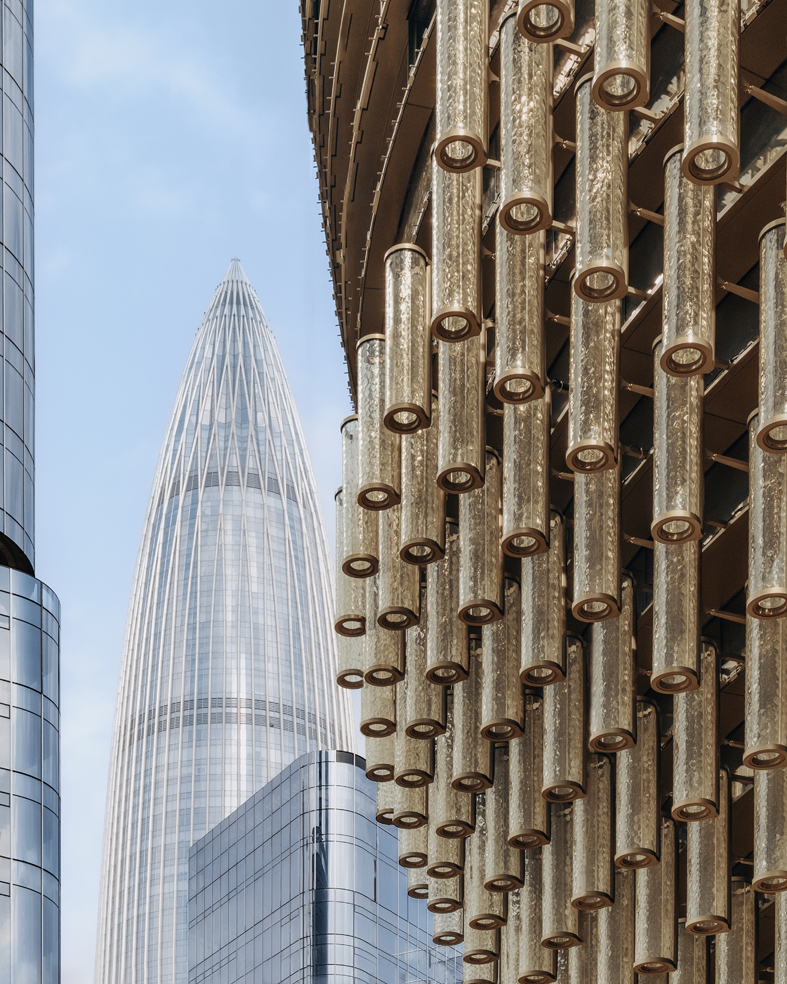
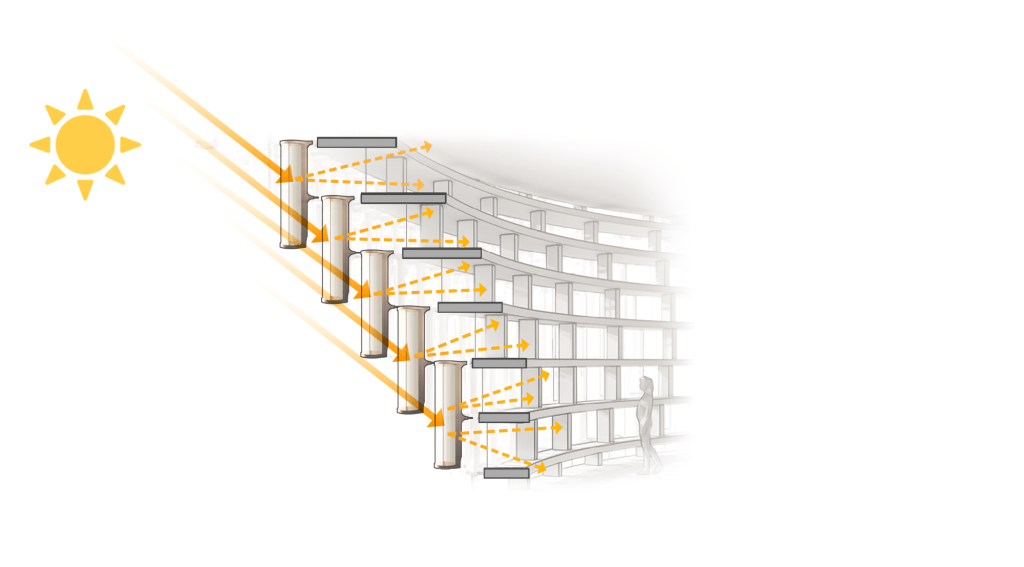
The building’s facade – a layered system of horizontal setbacks wrapped in suspended glass tubes – is both visual and practical. The textured glass filters and softens daylight, provides shading, aids natural ventilation, and can be lit at night to give the museum a warm, lantern-like presence.
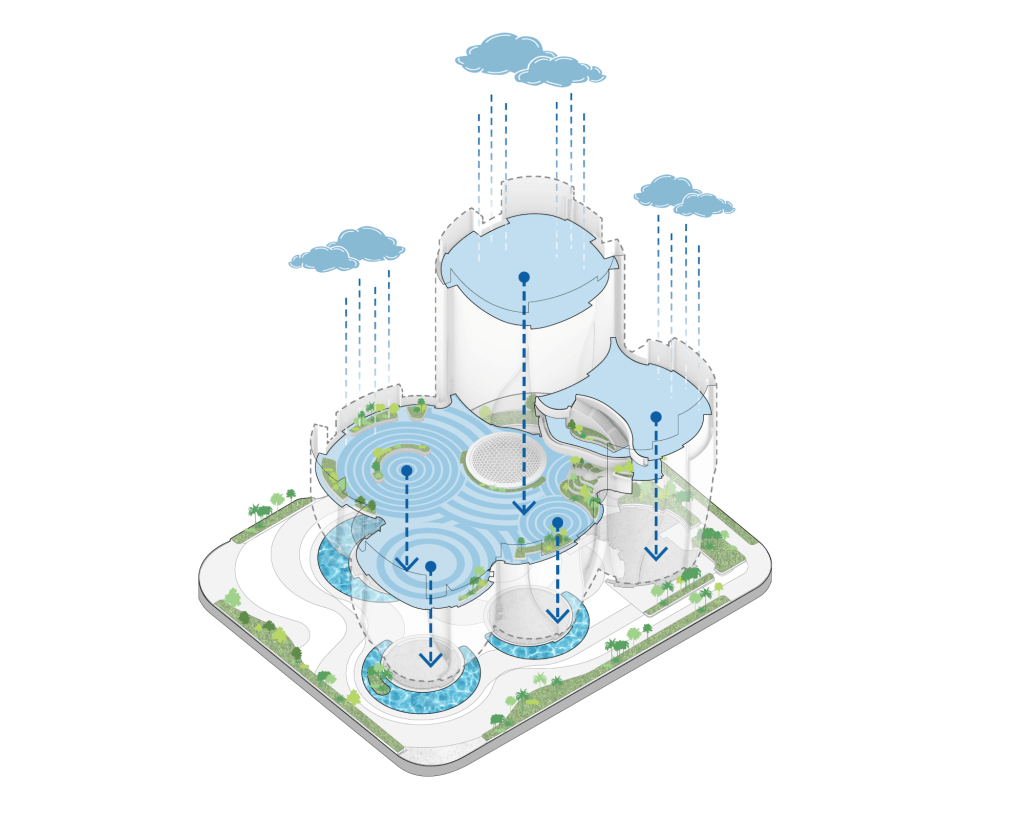
Cone-shaped volumes collect rainwater for on-site reuse in retention ponds, supporting Shenzhen’s broader “sponge city” strategy for water management and helping the project meet ecological goals.
“The whole project was conceived as a cross-cultural interactive experience, with a very focused exhibition space and program at its core, but with many more ways to engage with culture and architecture,” Scheeren noted.
The museum is scheduled to open in 2027. Pi Li, who formerly held positions at M+ and Tai Kwun Contemporary in Hong Kong, will serve as the founding director.
A hybrid ecosystem blending culture, commerce, living
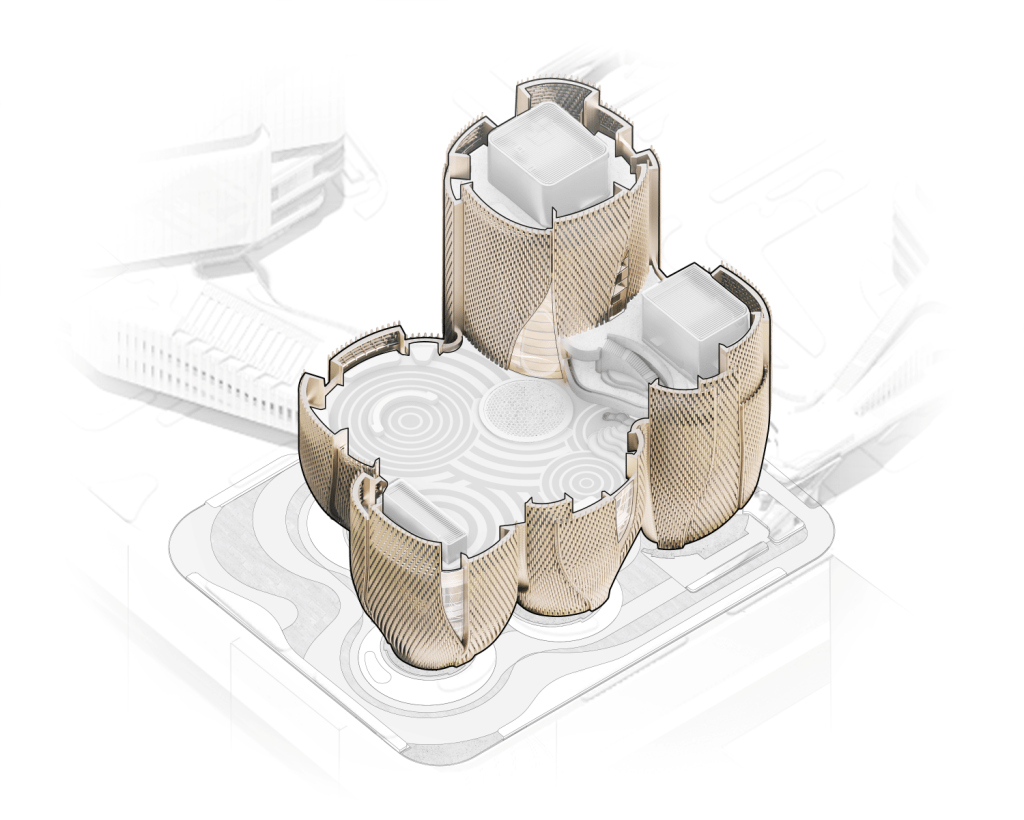
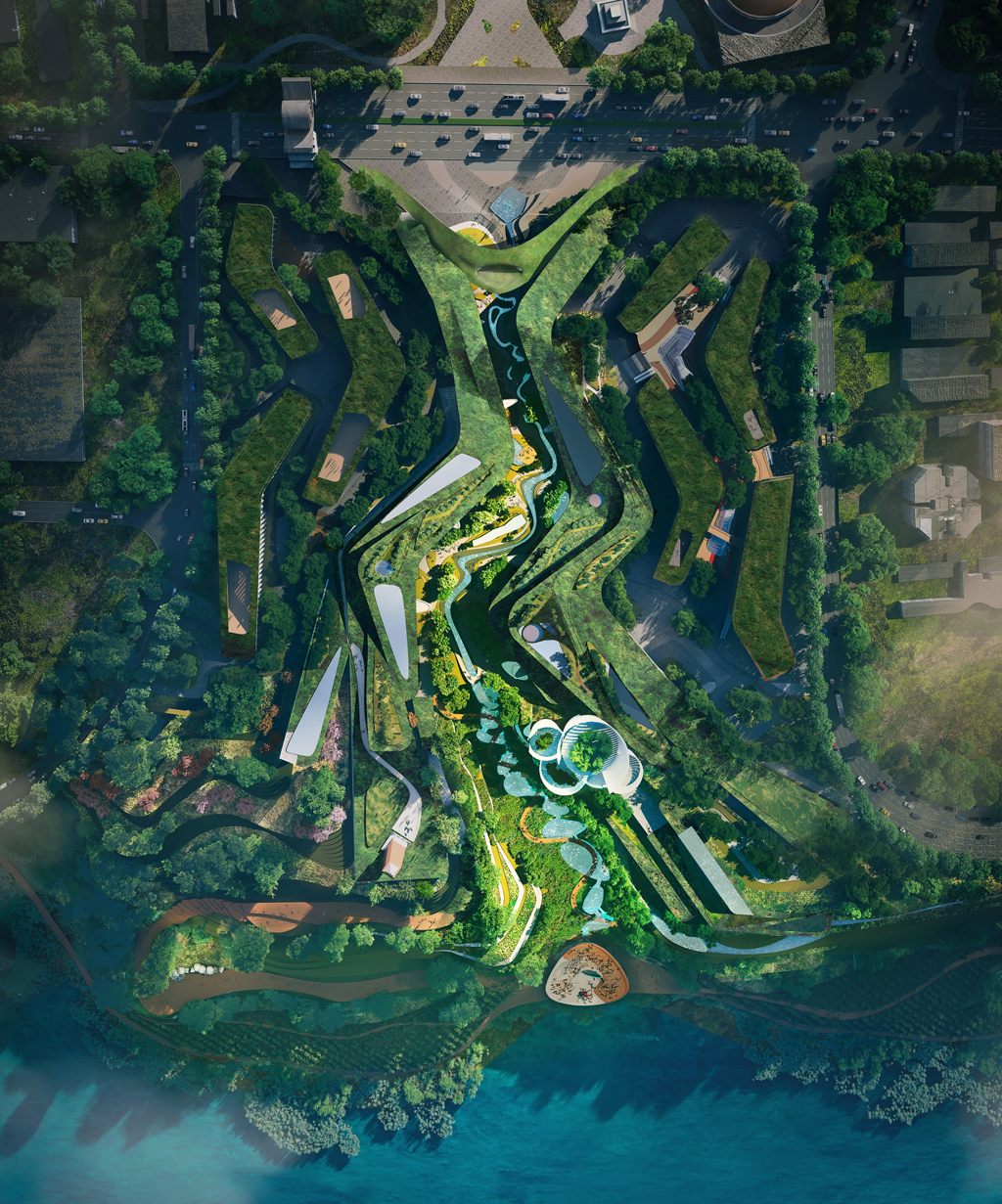
The Róng Museum of Art is more than a standalone landmark. It is the cornerstone and cultural heart of Ole Scheeren’s Houhai Hybrid Campus, a mixed-use development that integrates residences, offices, curated specialty retail, and a House Hotel operated by Swire Properties into a 24-hour urban ecosystem.
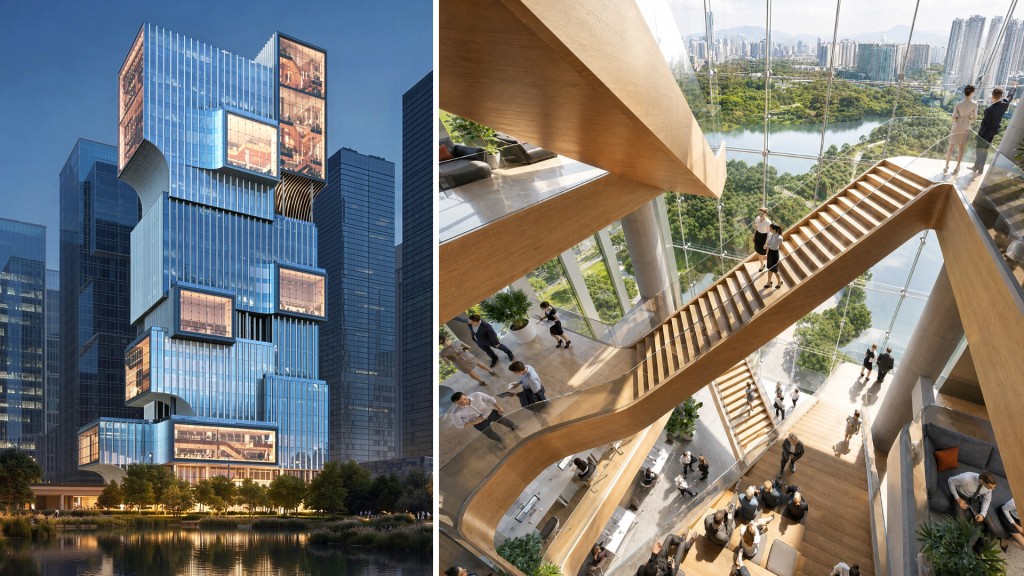
Located in the Houhai district, a strategic area within the original Shenzhen Special Economic Zone, the campus covers more than 1.4 million square feet across four towers with soft, flowing forms that soften their scale and create a dynamic silhouette against Shenzhen’s skyline.
The towers are linked by a three-dimensional promenade of elevated bridges that create a framed ring around a central oasis: a layered circulation system offering a ground level and three elevated levels.
This continuous park experience is designed for pedestrians and cyclists, integrating the campus with Shenzhen’s multi-level pedestrian networks and encouraging movement between work, living, and leisure.
Each tower carries a distinct function: flexible offices and co-working spaces, co-living apartments, short-stay hotel rooms, and longer-term serviced suites, with the museum acting as the cultural anchor.
Elevated walkways connect the buildings and encourage chance encounters and events, while roof terraces, reflective pools, and outdoor spaces offer views of the city and the South China Sea, as well as places to relax.
Sustainability is built into the plan: the buildings are carved to allow natural ventilation and shade, while fountains and retention pools help to regulate temperature. Native evergreens, flowering plants and trees that suit Shenzhen’s seasons boost biodiversity and improve comfort.
Projects integrate local context, innovative design, heritage
Beyond the Róng Museum, Scheeren has crafted iconic cultural projects across China and the globe, each blending local context with innovative design.
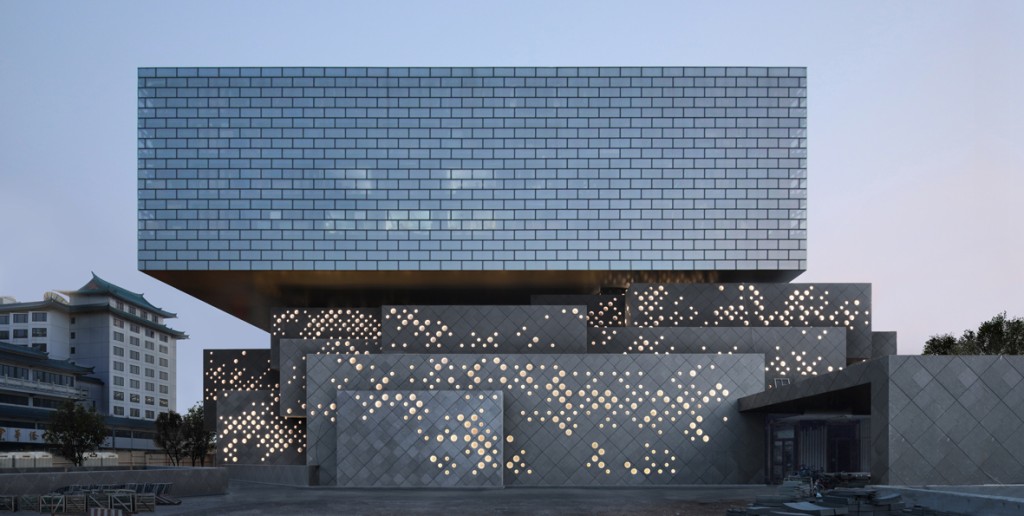
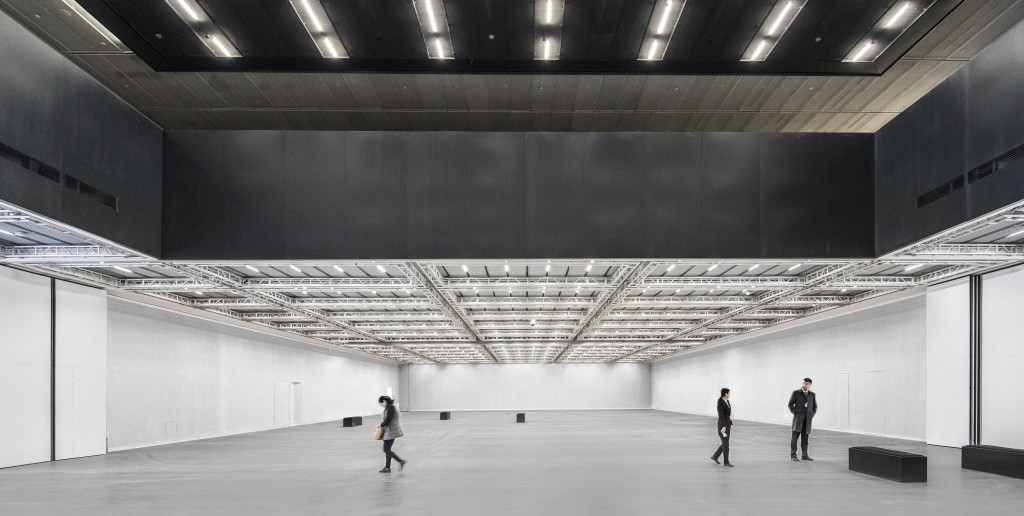
Completed in 2018, the Guardian Art Center in Beijing, the headquarters of China Guardian Auction, is a hybrid cultural complex. It combines galleries, auction halls, art conservation spaces, a hotel and dining areas.
Centered on its flexible column-free halls for diverse events, the pixelated exterior of the lower part of the building echoes Beijing’s historic hutong alleys; while the upper portion is a floating ring overlooking the Forbidden City, bridging art commerce, heritage, and modern civic life.
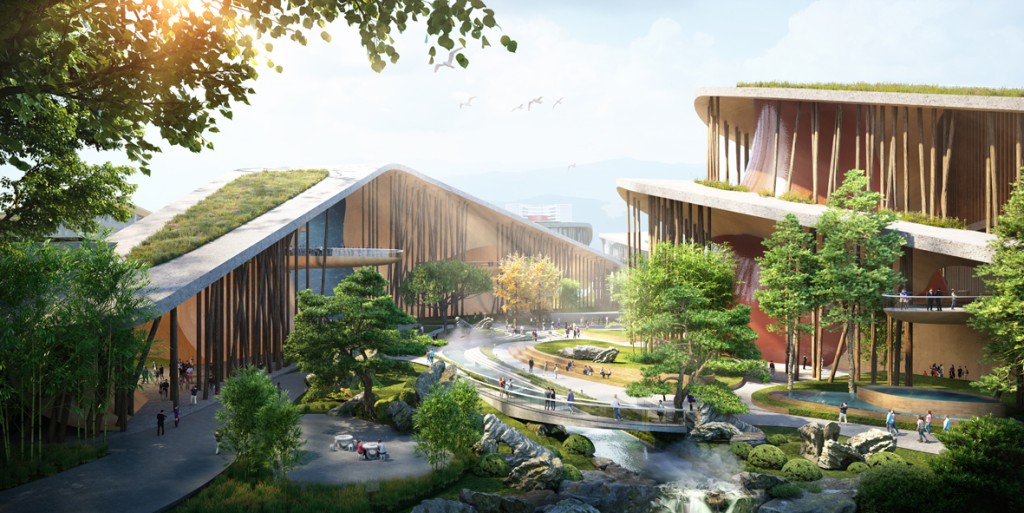
In Sichuan’s Yibin, Wuliang Interstice draws on the region’s natural canyon terrain and the liquor heritage of baijiu producer Wuliangye, headquartered in the city.
Two folded parallel structures create a fluid space connecting the river and cultural campus, preserving historical relics such as parts of the ancient City Wall, a pagoda and a Buddha sculpture.
Inspired by Yibin’s sea of bamboo, a permeable wooden facade screen blurs indoor-outdoor boundaries, with sustainable passive design adapted to the local climate.
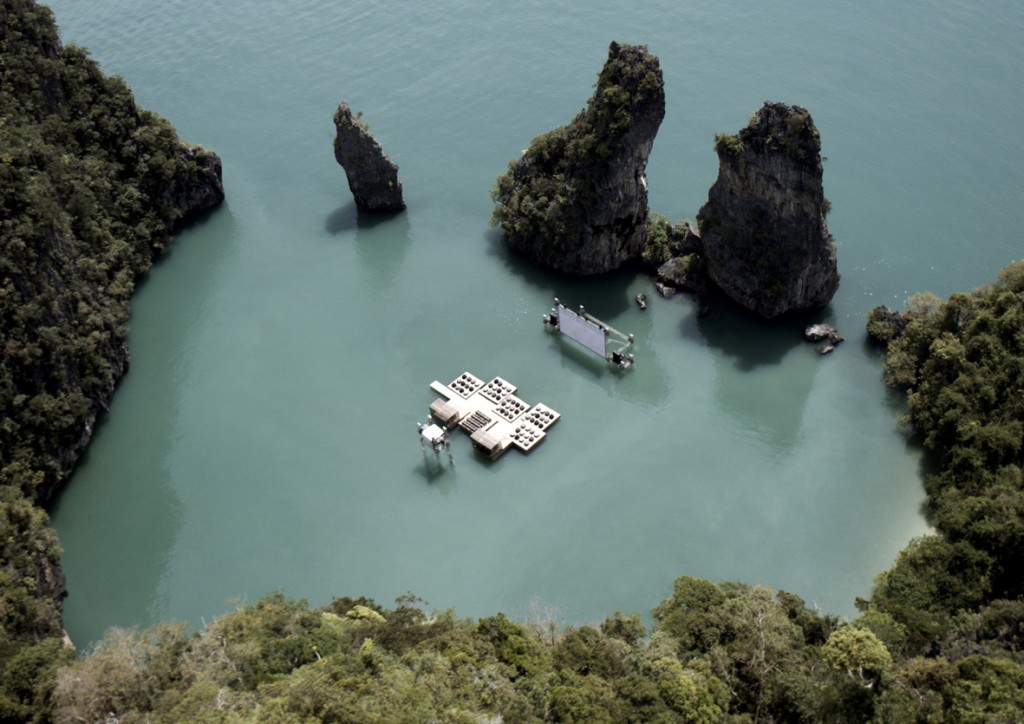
Scheeren also designed the Archipelago Cinema Thailand, a temporary floating auditorium assembled for the 2012 Film on the Rocks Yao Noi Festival.
Constructed by local Thai craftsmen with traditional techniques employed to create lobster farming rafts, the auditorium used recycled wood elements lashed with rubber straps to foam blocks to float in Nai Pi Lae Lagoon. Audiences watched films while floating on a modular raft that could be easily assembled, towed, and repurposed for future community use.