Read More
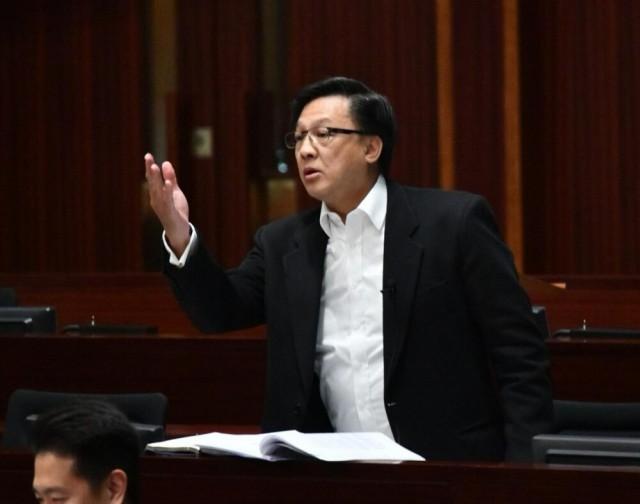
In light of recent arrests connected to corruption in large-scale renovation projects, lawmaker Bill Tang Ka-piu has called for more proactive government involvement in overseeing major repair projects across the city's estates.
ADVERTISEMENT
SCROLL TO CONTINUE WITH CONTENT
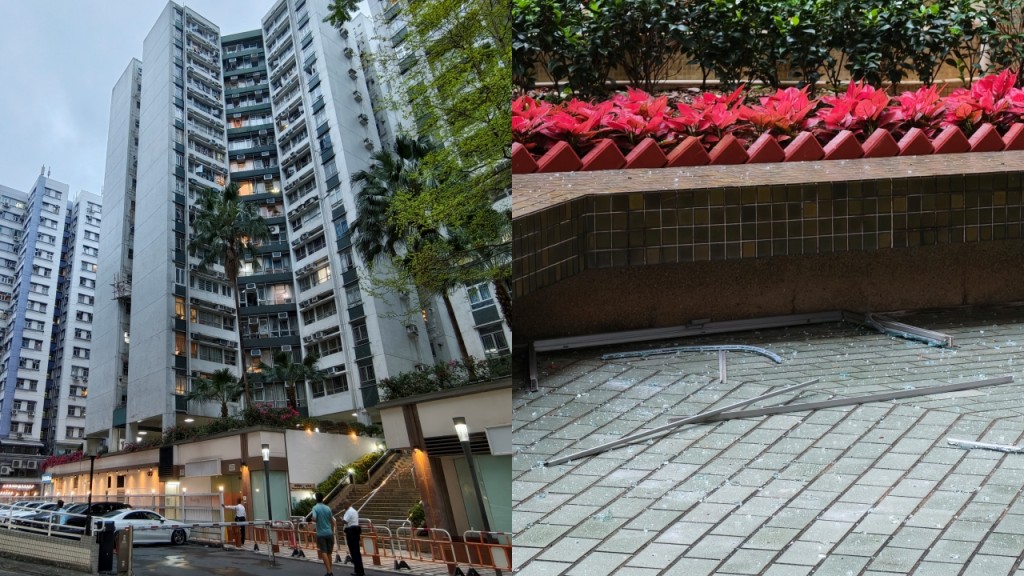
His comments were prompted by the arrests of 21 individuals linked to two large-scale renovation projects at Hopewell House and Tsui Ping (North) Estate in Kwun Tong.
Reports suggest that the arrestees are allegedly collecting authorization forms through corrupt means to manipulate property owners' corporations and secure engineering contracts.
Speaking on a radio program, Tang warned that the scandal underscores persistent vulnerabilities within the current system, particularly in aging buildings where many owners are older and less engaged in the management process.
Loopholes lie with authorization letters
Tang said owners often avoid participation in owners' corporations due to the heavy legal liabilities, time demands, or lack of knowledge, allowing unscrupulous individuals to exploit these gaps.
"Whenever there is a dispute, it originates from the authorization letter," he added.
Despite legislative amendments to regulate these forms being discussed, consensus has failed over concerns that overly strict rules could hinder the organization of owners' meetings.
Tang noted that even the Urban Renewal Authority's Smart Tender service can be exploited by illicit syndicates, as there are loopholes in the platform.
While Smart Tender ensures procedural transparency, Tang contended it cannot prevent consultant firms from manipulating outcomes through bid-rigging strategies, such as coordinating low bids among colluding contractors.
Tang urged the government to take a more active role in designating contractors for government-subsidized projects through its own tender system. He believes that with government participation, the potential for internal disputes within owners' corporations could be significantly reduced, along with opportunities for corruption and collusion, thereby providing more effective protection for owners.
He also revealed that the government is exploring amendments to the Buildings Management Ordinance, hoping to address related issues more comprehensively.
Importance of attendance at owners' meetings
Echoing the need for diligence, Johnnie Casire Chan Chi-kau of the Hong Kong Association of Property Management Companies emphasized the importance of verifying authorization letters, including confirming owners' identities and ensuring transparency in meetings.
Chan highlighted that significant decisions, including major repairs, require a certain percentage of owners to be present, urging them to attend meetings in person to understand any proposals thoroughly.
For those unable to attend, he advised them to appoint trusted individuals to represent them and communicate their voting intentions clearly. He warned against trusting strangers collecting authorization forms, noting that any participation in a corrupt authorization process constitutes a criminal act.