





Read More





Mother and daughter die in successive falls from same Tai Koo Shing block
11-06-2026 00:05 HKT

100 y/o biologist David Attenborough shares 4 longevity habits
07-06-2026 12:00 HKT


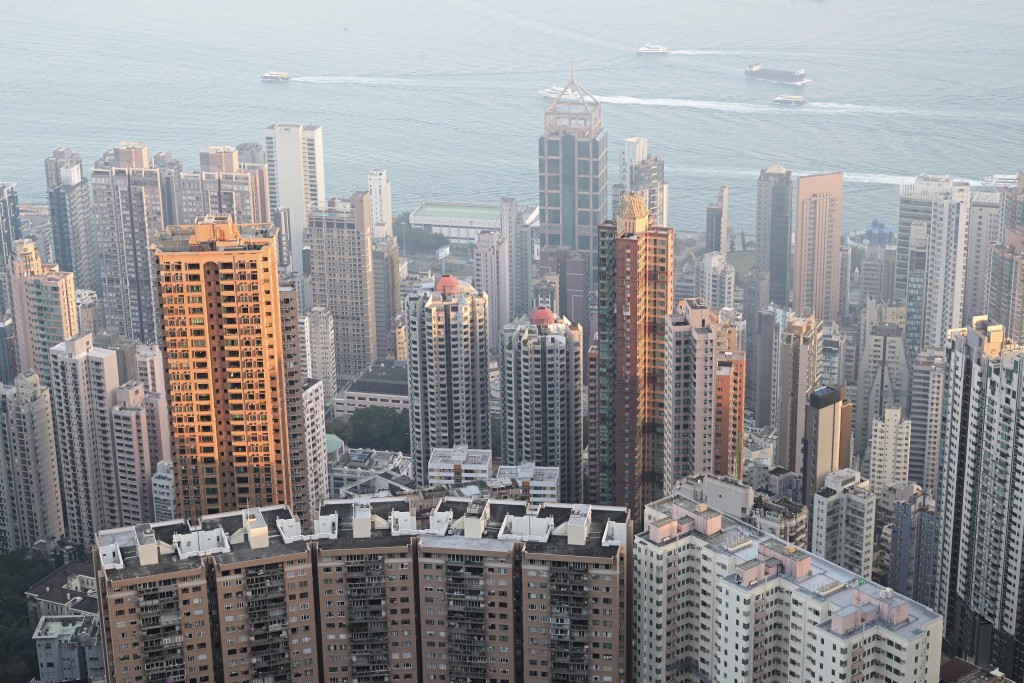
Hong Kong’s public housing supply is entering a “harvest phase”, with annual completions expected to surpass government targets for the first time since 2014, according to a new housing landscape report by Our Hong Kong Foundation.
The think tank projects that traditional public housing will deliver an average of 32,100 units annually from 2025/26 to 2029/30 – exceeding the Long Term Housing Strategy's target of 30,800 units.
Total public housing output could reach 37,700 units per year when combined with the ongoing Light Public Housing initiative.
Even accounting for potential delays, the report estimates traditional public housing completions will outpace targets by 7 percent to 31 percent over the next decade but the report emphasized that the 30,000 Light Public Housing units remain crucial to meeting the government's goal of reducing public housing wait times to 4.5 years by 2026/27.
The analysis reveals that subsidized home ownership plays a greater role in recycling public housing units than crackdowns on abuse with over 30 percent of public housing tenants expressing interest in purchasing subsidized flats – potentially freeing up 338,100 units.
The foundation recommends building larger subsidized units to encourage upward mobility.
It also urges officials to reassess the cost-effectiveness of "infill developments" on small or complex sites to control escalating expenses as the Housing Authority's annual construction costs are forecast to surge 73 percent to HK$48.6 billion by 2028/29.
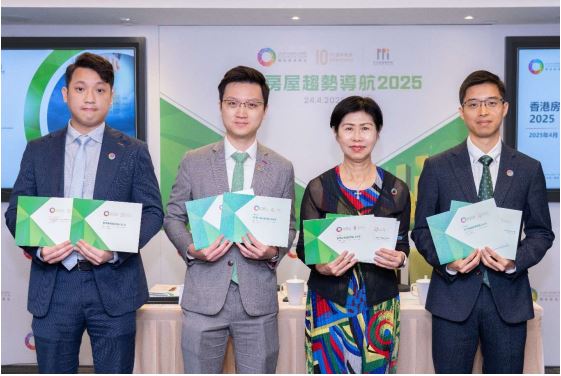
OHKF president Jane Lee Ching-yee described Hong Kong's property market as "navigating rough waters," citing high interest rates, construction costs and unsold inventory.
While acknowledging market pessimism is understandable, she stressed the need for forward-looking land policies to address economic volatility.
Lee said current trade tensions between China and US could dampen homebuyer sentiment through stock market volatility and reduced mainland Chinese demand due to yuan depreciation in the short term.
She also cautioned that land revenue is unlikely to return to previous peaks, as future development models emphasizing the Northern Metropolis and innovation sectors may require discounted land pricing to attract businesses and talent.
Vice president and executive director of public policy institute Ryan Ip Man-ki warned of a "high-then-low" pattern in private housing supply, with completions potentially dropping from 20,000 units annually in 2025-26 to between 15,400-19,900 units in 2030-34.
He noted slowdowns across all development phases – from pre-sale approvals to construction starts – with shrinking government land sales both in quantity and value since 2022/23.
Ip called for streamlined approval processes and simplified lease terms to revive developer interest.
Ayra Wang