Read More






75 y/o mother defeats blood cancer and runs in first marathon
30-03-2026 12:00 HKT


Six senior counsel appointed
31-03-2026 13:54 HKT

Approval granted for Kai Tak’s six-stop Smart & Green Mass Transit System
31-03-2026 16:27 HKT
Our last column covered the health benefits of a superfood, turmeric, such as helping fight inflammation and regulating blood lipid levels.
In this article, we will introduce the role of resveratrol, a "good partner" that can complement curcumin and produce an additional reaction.
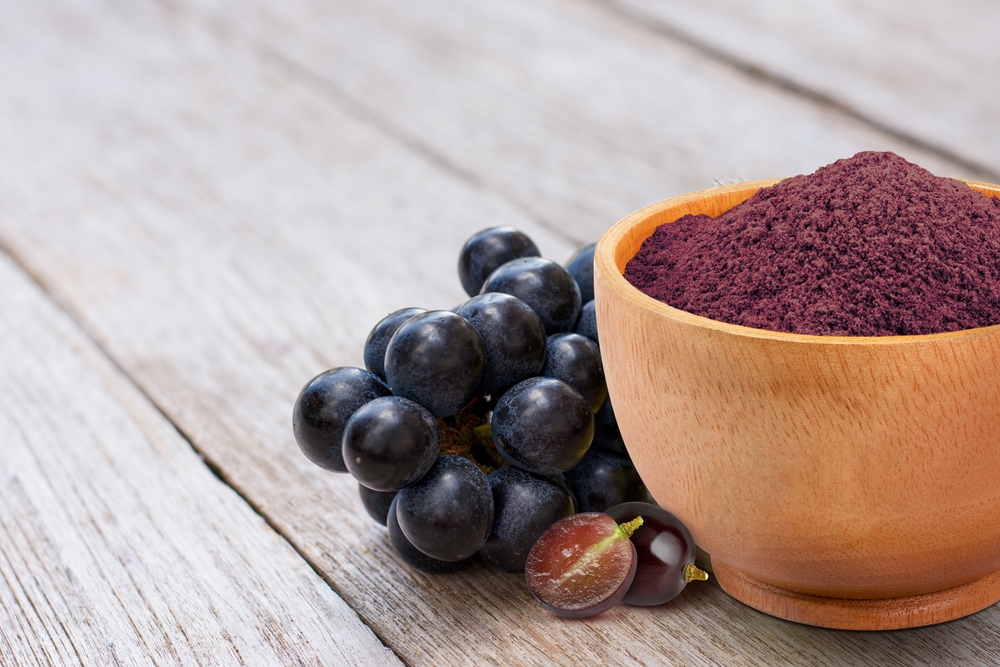
Resveratrol is a natural phytochemical found in food, more commonly in certain berries and grape skins, and most well-known from red wine.
Studies indicate that resveratrol helps anti-oxidation and reduces excessive oxidative stress in our bodies, leading to harmful conditions for our blood vessels and cellular health.
However, drinking red wine alone to obtain resveratrol is not appropriate. According to the World Health Organization recommendation, women should not consume more than one unit of alcohol per day (355ml of beer or 148ml of wine) while men should not exceed two units.
Excessive alcohol over the long term would burden our bodies, increasing the risk of high-blood pressure, cardiovascular disease, and liver disease and reducing immune system function. So we should rely on something other than red wine to get resveratrol. Otherwise, it may not be worth the gain.
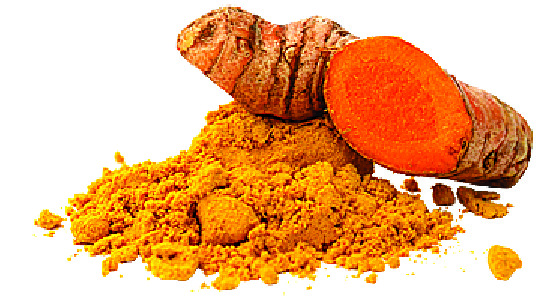
Curcumin is derived from the root of turmeric and is the main beneficial ingredient, assisting the anti-inflammatory mechanism in our bodies.
But it accounts for only about 2 to 5 percent of turmeric. It is also difficult for our bodies to absorb and use this ingredient, so its actual benefits can be seen only with the massive consumption of turmeric.
For the above reasons, extracted and concentrated nutrition supplements are a better source of curcumin and resveratrol.
Both are polyphenols, which fight viruses, fungal infections, and environmental stress in plants, so they are also known as botanical "anti-aging weapons."
Resveratrol and curcumin share a lot in common - not the least of which is their anti-inflammatory properties, which are vital to chronic disease prevention.
It is because when our bodies are under chronic inflammation, the production of free radicals will increase, and DNA and cells will be damaged, thereby promoting the aging process and the chance of developing chronic diseases.
Although these two polyphenols have good performance in blocking the release of inflammatory signals, the combined effect plays a better role.
Obesityis a chronic disease that is often overlooked. Excessive fat cells are one of the reasons for promoting inflammation, resulting in the body being in a state of long-term chronic inflammation, which leads to other complications, such as cardiovascular disease and type 2 diabetes.
There are two types of fat cells in the human body: white and brown. White fat cells are responsible for body fat storage and the production of hormones that regulate nutrient absorption - but they also promote inflammation. Brown fat cells promote fatty acid oxidation to maintain body temperature and regulate energy expenditure.
Curcumin has been shown to reduce fat by inhibiting the production of white fat cells, inducing the death of mature fat cells, and increasing energy expenditure. In converting fat cells into energy, the body also generates free radicals. So resveratrol, which is rich in antioxidants, not only helps to neutralize the damage of free radicals but also to control the body fat further.
Studies have also shown that the combined action of curcumin and resveratrol can help to inhibit the death of cartilage cells in the joints.
The cartilage between the joints can be maintained in a healthy state, reducing the discomfort in joints due to inflammation or friction.
Yan Luk is the Greater China nutritionist for Jeunesse Global Group