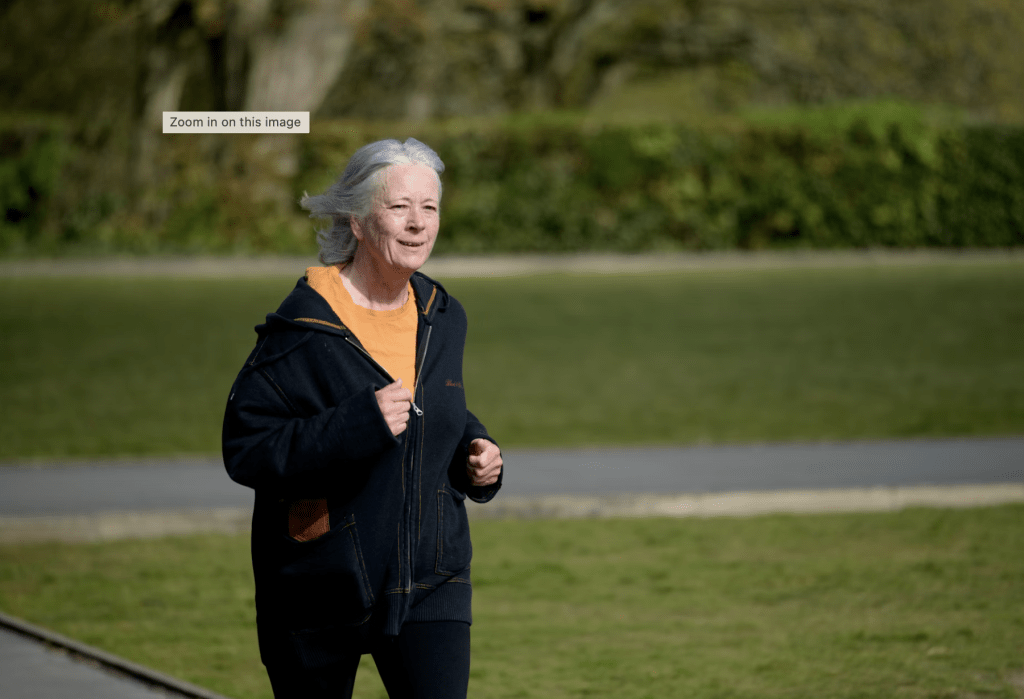
The key to keeping your brain sharp lies in maintaining exercise and good dietary habits. As we age, cognitive functions like memory and thinking begin to decline, potentially impacting daily life. An 82-year-old Japanese dementia expert, still actively developing new drugs, shares his personal brain health tips—including a daily one-hour exercise routine after waking up and five essential antioxidant-rich foods that protect blood vessels and help prevent dementia.
According to Japanese media Weekly Josei PRIME, Hachiro Sugimoto is the developer of the Alzheimer's treatment drug "Aricept" (donepezil). Although now 82 years old, he remains at the forefront of dementia research. He explains that dementia refers to the decline of brain functions like memory and judgment, with about 90% of cases caused by three main factors:
- Alzheimer's disease
- Vascular dementia
- Lewy body dementia
Sugimoto states that the key to preventing dementia lies in avoiding the accumulation of disease-causing proteins in the brain while maintaining cerebrovascular health. Lifestyle habits such as lack of exercise and poor diet are significant factors leading to protein accumulation in the brain. Cerebrovascular diseases are also triggered by weakened blood vessels and thick, viscous blood. Therefore, poor lifestyle habits are the key triggers for dementia. While dementia is more common after age 65, the amyloid-beta protein actually begins accumulating up to 20 years before symptom onset. To prevent dementia, it's best to start early. He reveals his 5 daily brain health secrets:
Sugimoto's 5 Brain Health Secrets
1. Exercise
Sugimoto emphasizes exercise, especially aerobic exercise. When ample blood flows through the brain, rich nutrients and oxygen are delivered, activating brain cells. Walking is the simplest option; data shows that the longer the daily walking time, the lower the risk of dementia.
Sugimoto's daily post-wake-up exercise routine includes:
- Walking for 1 hour
- Followed by push-ups
- Sit-ups
- Practicing sword-swinging movements (incorporating Kendo, which he has practiced for 60 years)
2. Independent Living
Independent living means not blindly following others' instructions, but making your own decisions and taking action. A lifestyle of passively following others can easily trigger dementia. This is why elderly people who are hospitalized are prone to dementia—the hospital environment is full of fixed rules, depriving patients of opportunities to make their own decisions and handle household tasks. Continuously thinking about what to do today and how to plan the next step effectively reduces dementia risk.
Sugimoto incorporates learning new knowledge into daily life, such as:
- Reading papers and research materials
- Continuing research on new dementia drugs
- Actively engaging in dialogue with students and young researchers
3. Having Hobbies
Cultivating interests is crucial. For example, choosing painting requires actively selecting materials, and you might specifically visit exhibitions to appreciate famous artworks—this process itself requires autonomous decision-making. For music appreciation, you would actively attend concerts, meet like-minded people, and engage in social circles.
During his walks, Sugimoto sets a goal of composing 10 short poems (tanka). Besides submitting them for publication, he also hosts seminars to review and select works. Through creation, he makes friends with similar interests.
4. Healthy Diet
Reactive oxygen species (ROS) produced in the body are important for protecting against bacteria and viruses, but in excess, they damage cells, becoming a cause of aging and lifestyle diseases like arteriosclerosis. Antioxidants effectively neutralize the toxicity of ROS. Therefore, actively consuming antioxidant-rich foods can inhibit aging and maintain vascular health, helping to prevent dementia.
Sugimoto particularly recommends 5 foods, rich in polyphenol antioxidants that protect brain nerve cells from ROS damage, and containing DHA and EPA which improve blood flow and enhance cognitive function:
- Curry (rich in curcumin from turmeric)
- Green tea (rich in catechins)
- Red wine (high in antioxidants)
- Oranges (contain nobiletin)
- Blue-backed fish (like mackerel, sardines – rich in DHA/EPA)
Sugimoto specifically points out that polyphenols have multiple effects. For example, curcumin in curry, catechins in green tea, and nobiletin in oranges all help inhibit protein aggregation in the brain. Additionally, highly antioxidant red wine and dark-colored vegetables, as well as onions and blue-backed fish that thin the blood, have all been shown to have dementia-preventing effects.
He personally eats only one main meal a day (lunch) to avoid overeating, striving for balanced nutrition and food diversity. He enjoys alcohol in moderation, pairing it with tofu and fish.
5. Being Grateful to Family
The key to sustained happiness lies in gratitude—not forgetting to express thanks to those around you and putting those feelings into words. The recipient of gratitude will smile, fostering good relationships and a positive environment, which keeps the brain functioning smoothly.
Therefore, Sugimoto never forgets to thank his family, especially his wife, always expressing his gratitude promptly. Being grateful keeps one humble and fosters respect for others, harmonizing interpersonal relationships.
Dementia Symptoms in Early, Middle, and Late Stages
According to Hong Kong's Hospital Authority, dementia is caused by the degeneration of brain nerve cells, leading to a decline in memory, understanding, language, learning, calculation, and judgment abilities. Some individuals may also experience changes in emotion, behavior, and perception.
1. Early Stage (Years 1-2)
Symptoms are often mistaken for normal aging: loss of short-term memory; difficulty expressing or understanding abstract concepts; unpredictable mood/behavior changes; difficulty learning new things/following complex instructions; declining judgment, but daily activities manageable with reminders.
2. Middle Stage (Years 2-5)
Early difficulties become more pronounced: confusion between distant memory and current reality; occasional word-finding difficulty; behavioral/personality changes, emotional instability; needing assistance with daily self-care.
3. Late Stage (After Year 5)
Almost entirely dependent on others for care: severe memory loss, forgetting even familiar people/things; decline in physical activity and mental state; inability to communicate effectively; unable to handle daily life, requiring lobg-term care; disrupted circadian rhythm.