Read More










75 y/o mother defeats blood cancer and runs in first marathon
30-03-2026 12:00 HKT

Six senior counsel appointed
31-03-2026 13:54 HKT




The growing popularity of artificial intelligence (AI) carries potential risks when used for medical diagnosis. A man in Hangzhou, Zhejiang province, developed cold sores (herpes labialis) and, seeking convenience, used an AI for consultation. After purchasing and taking medication based on the AI's advice, he accidentally ingested three times the standard dose of an antiviral drug, resulting in acute kidney injury and requiring emergency hospitalization. Doctors are reminding the public not to replace professional medical diagnosis with AI.
According to reports from mainland media and the Zhejiang Provincial Tongde Hospital, a 45-year-old man surnamed Wu in Hangzhou developed herpes around his mouth and used an AI platform for consultation and treatment recommendations. Following the AI's suggestion, he purchased the antiviral drug "Valacyclovir" to take. Several days later, he felt fatigued and nauseous. Initially thinking he had a cold, he took cold medicine on his own, but his symptoms worsened. He was taken to the emergency room by his family that same night.
Hospital test results showed Wu's serum creatinine level was as high as 800 µmol/L—nearly eight times the normal upper limit (110 µmol/L) and a tenfold increase from his level of around 80 µmol/L during a physical exam at the end of 2025. An abdominal CT scan further revealed irregular swelling in his ureters and bladder. He was immediately transferred to the nephrology ward. Upon further inquiry, doctors discovered:
After diagnosis, Wu was confirmed to have "acute drug-induced kidney injury". Following treatment with "hydration therapy" (intravenous fluids to promote drug excretion) and traditional Chinese medicine aimed at activating blood circulation and removing toxins, his serum creatinine levels returned to the normal range within five days. He has since recovered and been discharged.
Dr. Chen Qin, Director of the Nephrology and Rheumatology Department at Zhejiang Provincial Tongde Hospital, pointed out that the risk of drug-induced acute kidney injury cannot be ignored, as kidney function can decline rapidly in a short period. Severe cases can progress to kidney failure, potentially requiring lifelong dialysis. Among all acute kidney injury cases, approximately 20% are drug-related; among elderly populations, the proportion of drug-related kidney injury is even higher.
Chen emphasized that while AI can provide informational references, it absolutely cannot replace the clinical judgment of professional healthcare providers. This is because medication therapy involves significant individual variation:
Chen added that certain drugs can trigger "allergic interstitial nephritis," a condition that often requires a kidney biopsy for definitive diagnosis and may need long-term hormone therapy. If patients seek medical attention too late, it can lead to irreversible kidney fibrosis, and kidney function may never fully recover.
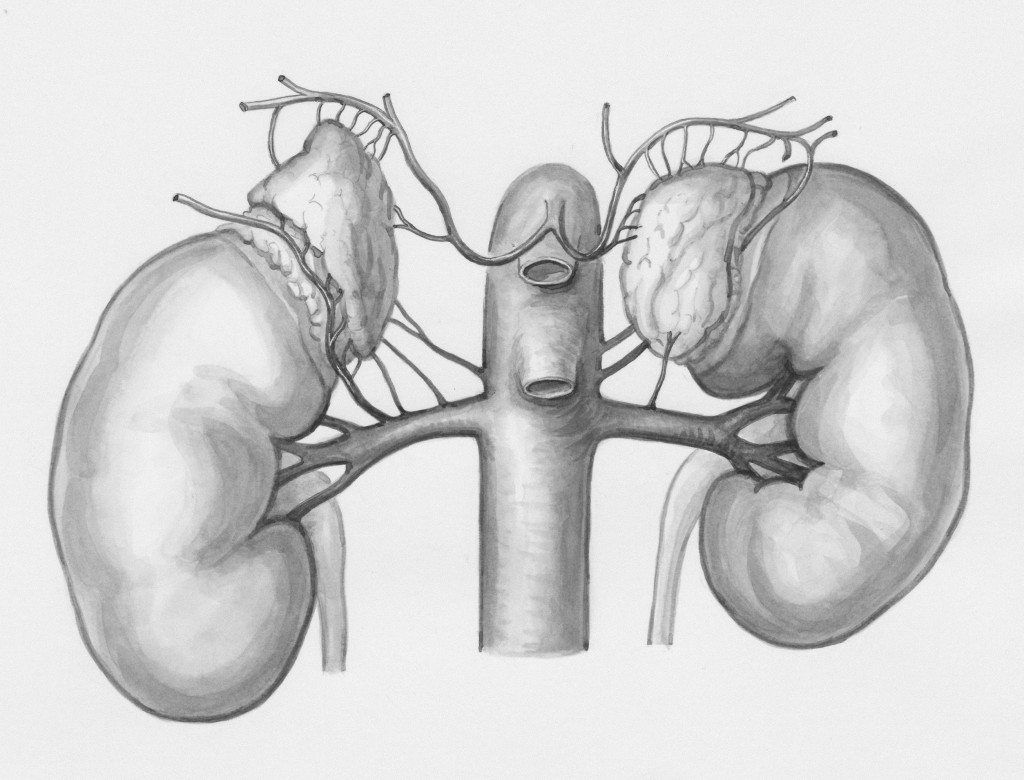
Acute kidney injury occurs when kidney function declines suddenly and severely, impairing the effective filtration of waste from the blood. This leads to the accumulation of harmful waste products in the body and disrupts the blood's chemical balance. Acute kidney injury (formerly called acute renal failure) is most commonly seen in critically ill hospitalized patients. Its severity can range from mild to severe. If severe and not properly treated, it can be life-threatening; however, this injury is also potentially reversible. For patients in otherwise good health, kidney function has a chance to recover to normal or near-normal levels.
Symptoms of acute kidney injury include:
It's important to note that sometimes acute kidney injury causes no symptoms. While medications are crucial for disease prevention and treatment, they are also a leading cause of acute kidney injury. Examples of "common medications" that can cause it: