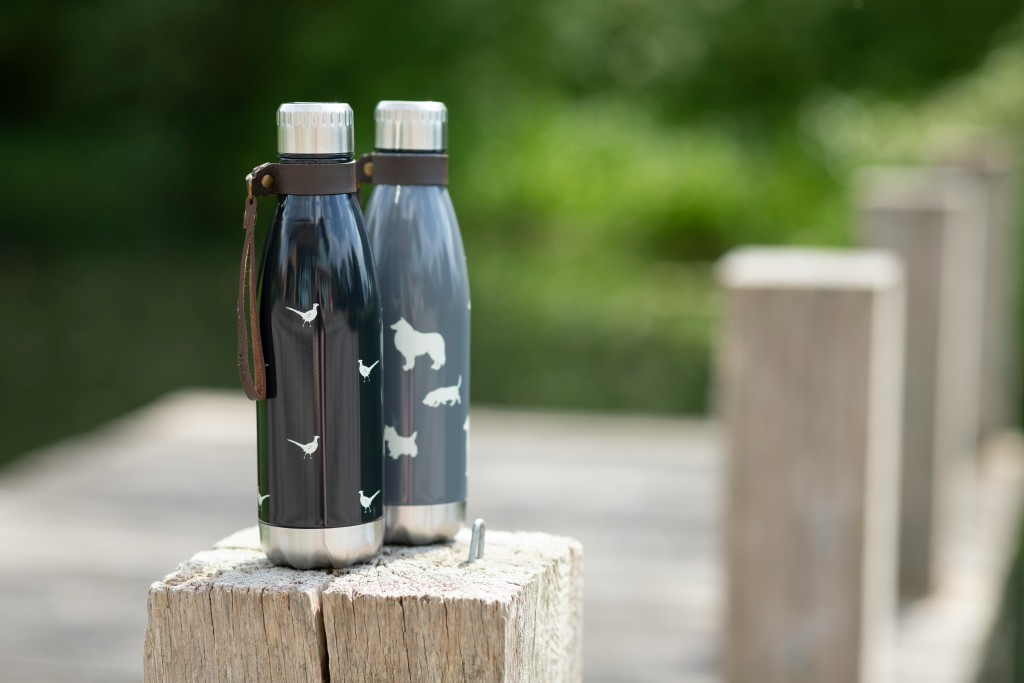
Most office workers have the habit of carrying their own insulated bottles or water bottles. But do you really clean them thoroughly after each use? A man posted a cautionary tale online, explaining he suffered unexplained diarrhea for a year, with both Western and Chinese medicine proving ineffective. It wasn't until a colonoscopy that he was shocked to discover his intestines had grown multiple polyps—and the culprit was the insulated cup he used daily for drinking.
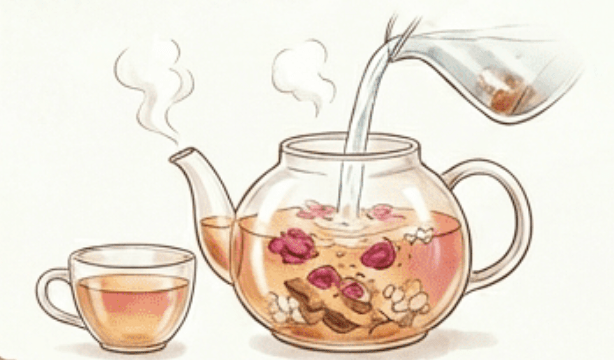
The man shared his personal experience on an online forum, stating he had persistent diarrhea. Despite taking various medications, relief was only temporary. After a colonoscopy, he discovered his intestines had developed several inflammatory polyps due to chronic inflammation. When doctors investigated the cause, they found the issue stemmed from his long-term habit of using his insulated cup for tea drinks, only rinsing it with plain water, which turned it into a "bacterial breeding ground."
6 Drinks in Insulated Cups That Easily Breed Bacteria
The man explained, "Because the thermos is so deep and I was worried the bottle brush would leave detergent residue, I only ever rinsed it with water." This "dirty and lazy" habit persisted for nearly a year until his intestinal problems were discovered. Doctors noted that while inflammatory polyps don't directly become cancerous, they indicate the intestines have been in a state of chronic inflammation, which can lead to persistent abdominal discomfort, indigestion, and other issues.
Doctor's Warning: Bottles Can Have 40,000x More Bacteria Than a Toilet
According to foreign media reports, GP Dr. Jason Singh warned on social media that many people habitually only rinse their bottles with water, which is extremely dangerous. The moist environment inside a bottle is a prime breeding ground for bacteria, even allowing for "exchange" with streptococci from the mouth. How dirty is it? Research reveals shocking data:
- A 2023 study by Water Filter Guru found that reused water bottles can contain 40,000 times more bacteria than a toilet seat.
- A 2005 study published in Curr Protoc Microbiol noted that microbes can form biofilms inside bottles within 48 hours.
- A 2024 study in Archives of Microbiology found that 65-80% of human infections are related to biofilms.
5 Tips for Cleaning Insulated Cups: Use Baking Soda or Dishwasher?
Since rinsing with water is ineffective, how should they be cleaned properly? Singh suggests that to thoroughly eliminate bacteria, you must follow these steps, not just a quick rinse:
- Clean every 2 days; don't wait until there's an odor.
- Must use dish soap and hot water, along with a dedicated bottle brush to scrub the bottom and sides.
- Let the cup dry completely before putting the lid back on.
Hong Kong's Consumer Council also specifically reminds that cleaning accessories is equally important to avoid accidentally ingesting mold and toxins:
- Disassemble to Prevent Mold: The crevices of the lid are a bacterial hotspot. When cleaning, always disassemble the lid and silicone seal for separate scrubbing. If not thoroughly cleaned and dried, plastic or rubber materials are very susceptible to mold and discoloration.
- Use Baking Soda to Deodorize: If your bottle has an odor, use the "universal cleaner"— edible baking soda. Fill the bottle with hot water, add 1 teaspoon of baking soda, soak for 30 minutes to 1 hour, then rinse clean to remove odors and stains.
- Choose Cleaning Tools Carefully: Use a sponge, soft cloth, or soft brush. Avoid scouring pads, steel wool, or hard-bristle brushes to prevent scratching the inner coating.
- Avoid Chlorine-Based Cleaners: Do not use bleach or chlorine-based cleaners as they can damage the stainless steel surface.
- Avoid Dishwashers: Unless the product manual specifies it's dishwasher-safe, do not put insulated cups in the dishwasher. High temperatures and strong water jets may damage the insulation or coating.