





Read More



Daily 10-minute "zero-sweat fat loss method" can reduce waistline by 5cm
14-05-2026 12:00 HKT








Hong Kong: a familiar, trusted partner for Australian businesses
11-05-2026 06:00 HKT


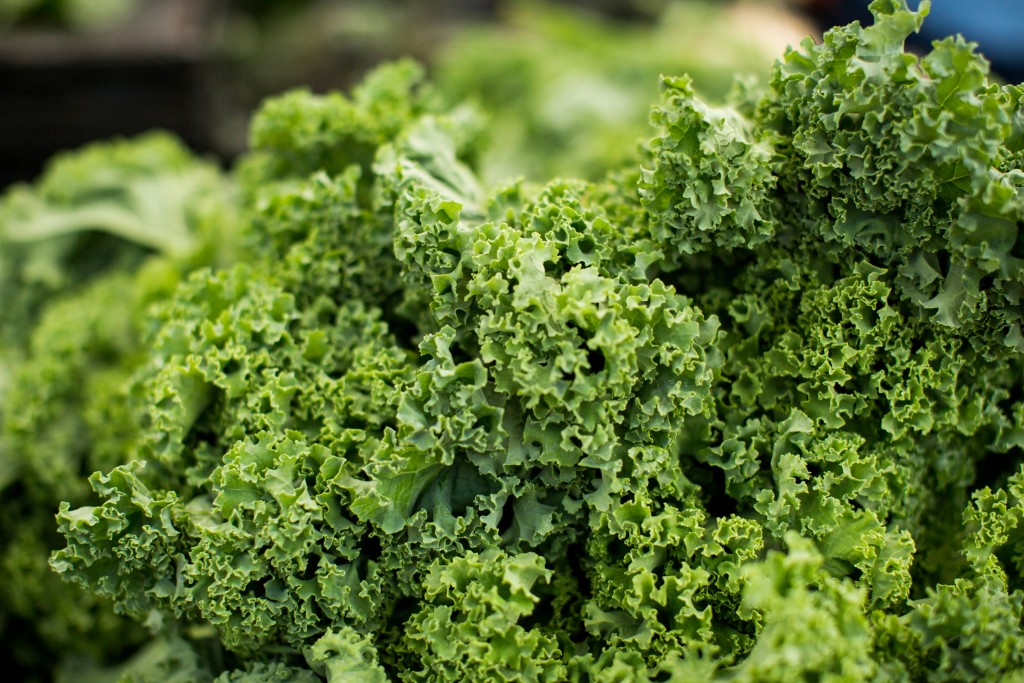
The 2026 pesticide residue rankings are out. The Environmental Working Group (EWG) has released its annual "Shopper's Guide to Pesticides in Produce," listing both the "Dirty Dozen" (most contaminated) and "Clean Fifteen" (least contaminated). For the second consecutive year, spinach has overtaken strawberries and kale to become the most pesticide-contaminated produce item. This year's report highlights the concerning prevalence of PFAS pesticides—"forever chemicals"—which were commonly found in the testing. PFAS substances persist indefinitely in the environment, and studies have linked long-term exposure to increased risks of various cancers and potential damage to fertility.
Since 2004, the EWG has released its annual pesticide residue list. On March 24 of this year, the organization published its "2026 Shopper's Guide to Pesticides in Produce," based on an analysis of testing data from the U.S. Department of Agriculture (USDA) covering 47 types of fruits and vegetables and a total of 54,344 samples. The samples were prepared as they would be for consumption—washed, scrubbed, and in some cases peeled—yet results still detected 264 different pesticides, with up to 75% of non-organic samples containing pesticide residues.
The EWG classifies the 12 types of produce with the highest levels of pesticide residues and the most potent pesticides as the "Dirty Dozen." Among these, 96% of samples tested positive for pesticide residues, with a total of 203 different pesticides detected. Apart from potatoes, each of the other 11 items averaged four or more pesticide residues per single sample. Spinach, which took the top spot last year, has now surpassed strawberries as the "dirtiest" produce item.
The EWG also released the "Clean Fifteen" list, which highlights the 15 types of produce with the least pesticide residues. Nearly 60% of these samples had no detectable pesticide residues, and only 16% contained two or more pesticides.
2026 Clean Fifteen (15 Cleanest Produce Items)
The produce items listed in the Dirty Dozen and Clean Fifteen are the same as last year, though some rankings have shifted. The remaining 20 items fall in the middle range, listed below from cleaner to more contaminated:
Broccoli, Cantaloupe, Sweet Potato, Eggplant, Sugar Snap Peas, Grapefruit, Raspberries, Zucchini, Oranges, Tomatillos, Plums, Tomatoes, Winter Squash, Cherry Tomatoes, Celery, Cucumbers, Tangerines, Lettuce, Hot Peppers and Bell Peppers, Green Beans.
Some studies suggest that pesticides, including fungicides and insecticides, are endocrine disruptors and may damage the nervous and reproductive systems. Therefore, exposure during pregnancy and infancy is particularly concerning for children's health. Consuming produce with high pesticide residues has also been found to diminish the protective cardiovascular and mortality benefits typically associated with eating fruits and vegetables.
The EWG noted that this year's report highlights the use of "PFAS pesticides." PFAS are known as "forever chemicals" due to their persistence in the environment. The EWG's analysis found that three of the ten most commonly detected pesticides across all produce samples were PFAS-based. The most frequently detected was Fludioxonil, found in nearly 90% of peach and plum samples. The other two—Fluopyram and Bifenthrin—were most commonly found on grapes and blackberries, respectively.
Scientists are still working to fully understand the toxicity of PFAS pesticides, particularly the combined effects of exposure to mixtures of multiple pesticides rather than single chemicals. There is growing concern about the degradation products of many PFAS pesticides, such as trifluoroacetic acid, which may have reproductive and immunotoxic effects. The organization reminds consumers that choosing organic produce is generally an effective way to reduce pesticide exposure. However, the safest practice is to wash all types of produce, whether organic or conventional, to reduce pesticide residues, dirt, and potentially harmful bacteria.
Regarding PFAS risks, the U.S. Food and Drug Administration (FDA) has stated that long-term exposure to PFAS is associated with increased risks of various cancers, including kidney, ovarian, testicular, prostate, thyroid, and bone marrow cancers. It has also been linked to an increased risk of autism in fetuses exposed in utero, as well as infertility in women.