The first time she used kratom, Ashley McCaughan was scared. Someone had suggested she try the controversial herbal supplement to fend off the aches and pains of her job in managing a personal watercraft company.
But with the first drink, she "noticed a positive effect on not only pain relief, but my mood," said McCaughan, 27. "I was like a better version of myself."
People are turning to kratom to ease pain, quell anxiety and lift themselves out of depression.
But health officials want to ban it, warning that kratom, like opioids, can be addictive and lead to abuse.
Kratom and kratom products can be bought on the internet and in vitamin and health food stores, vape shops, head shops and convenience stores.
Still, many people have never heard of it, much less know how to pronounce it. Some say "KRAY-tum," others say "KRA-tm." And they certainly don't know this: "It tastes like dirt," McCaughan said.
"At first glance, kratom doesn't seem like anything special: a light green plant with red veins, about two meters tall," news website Vice wrote.
Its botanical name is Mitragyna speciosa, a member of the coffee family that is native to Southeast Asia, "with leaves that contain compounds that can have psychotropic (mind-altering) effects," according to the US National Institute on Drug Abuse.
"Kratom is not an illegal substance and has been easy to order on the internet. It is sometimes sold as a green powder in packets labeled 'not for human consumption,' as an extract or gum."
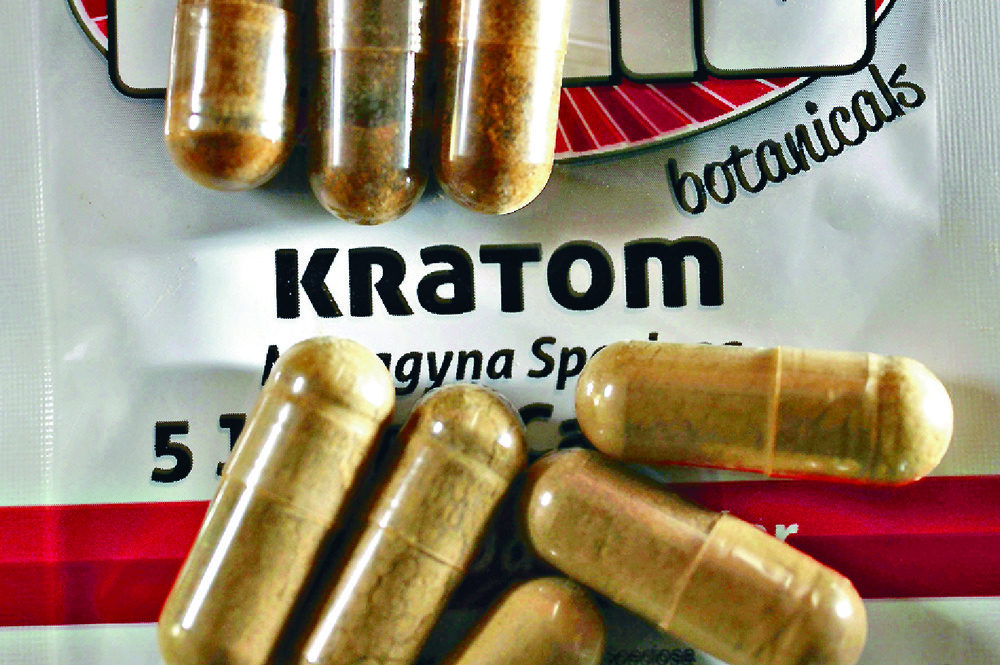
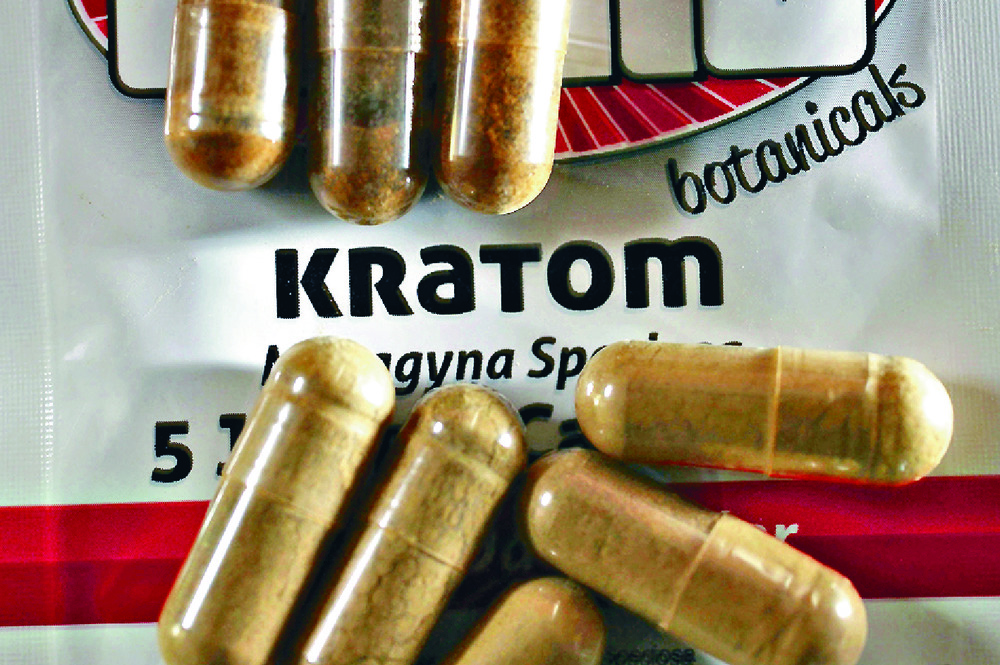
Most people, users say, take kratom in a pill or capsule, or brew it to make tea. Hardcore users mix the powder into water, but McCaughan said it doesn't dissolve and just floats on the top like cinnamon would.
"There are no historical records indicating when humans began consuming kratom, but the plant's benefits have been widely known for ages," wrote Vice, calling kratom "a magical leaf of sorts, having a calming and painkilling effect.
"The only downside? It's extremely bitter."
"That's why a lot of people take it in the pill form," said McCaughan, who brews kratom tea as she wasn't comfortable with the pills. "There's a little bit of science to it. To really bring out the 'euphoric effects,' it has to sit out and go to room temperature after you brew. Then you put it in the fridge for 24 hours, put lemons and stuff in it to make it taste better. But most people will try it for the first time and go: 'No, never again.'"
Dexter Blackmer is one of those folks who takes his kratom straight up. Blackmer, 40, had to have half a leg amputated after a motorcycle accident a few years ago and started taking it after watching Leaf of Faith, a Netflix documentary that explores kratom's use as a natural alternative to opioid painkillers.
The kratom, which he took for more than a year, relieved his phantom leg pains with no side effects, he said. He stopped taking it a few months ago so it wouldn't interfere with a new medication.
"It did great things for him," said his wife, Andrea, who started taking it too for arthritis pain in her ankle. It made her feel "better," but she "just couldn't get past the taste of it. It tastes like eating grass."
People with fibromyalgia, back pain, PTSD, arthritis, carpal tunnel syndrome, debilitating headaches and depression can use kratom as a substitute for prescription drugs. But is it safe?
The US Food and Drug Administration has repeatedly warned that kratom offers no medical benefits but could become addictive or even kill you. It says that people who are using it to self-treat pain, anxiety, depression and other medical conditions should instead be seen by licensed health care providers.
A statement on its website states: "There are no FDA-approved uses for kratom, and the agency has received concerning reports about the safety of kratom.
"We continue to evaluate the available safety information about the effects of kratom and continue to work with the Department of Justice to enforce regulations that pertain to kratom."
In 2017, "the FDA identified at least 44 deaths related to kratom, with at least one case investigated as possible use of pure kratom," the National Institute of Drug Abuse says on its website.
However, many of the deaths "appeared to have resulted from adulterated products or taking kratom with other potent substances," the agency noted.
A medical expert hired by the American Kratom Association to examine those deaths found that "every one, with the exception of one - for which there was no blood sample available - were adulterated kratom products where you had fentanyl, morphine, heroin, spiked into the kratom," said McClain Haddow, the group's senior fellow on public policy.
The FDA says it is "actively evaluating available scientific information" about kratom and "continues to warn consumers" not to use products that contain it.
The Kansas City Star (TNS)