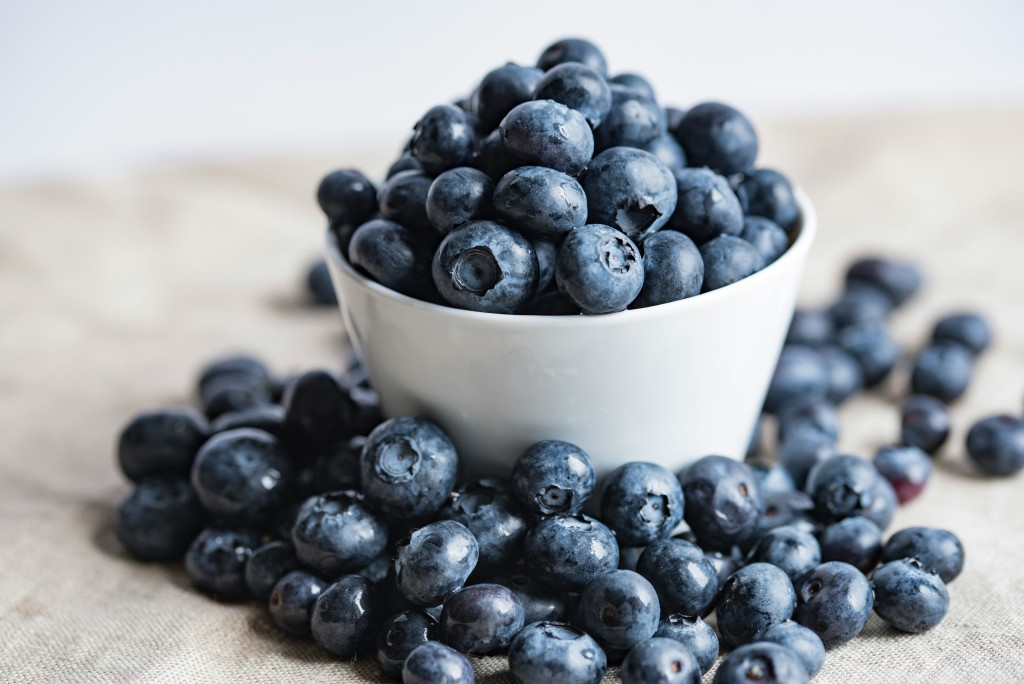
Recently, a method for washing blueberries using shell powder has been circulating, claiming to remove pesticides and dirt. This has sparked heated discussion online, with some calling it "quicklime washing for blueberries." Is this practice safe? Does it destroy the nutritional value of blueberries? Registered dietitian Vin Ip Zhun-jin accepted an interview with Sing Tao Headline to debunk the myths one by one and provide correct washing recommendations.
Shell Powder is Alkaline, May Increase Kidney Stone Risk
Recently on social media, netizens discussed KOLs or influencers recommending "shell powder" to wash blueberries, causing a heated debate. Many pointed out that shell powder is essentially highly alkaline, with some even calling it "quicklime." Is washing blueberries with shell powder feasible? Are there health risks?
Ip explains that shell powder ultimately converts to calcium oxide, commonly used in construction materials like cement. In the food industry, it can be used as an acidity regulator but is not designed for direct consumption. "If you rinse it thoroughly after soaking, it's probably not a big problem. But if you eat it directly after only soaking without thorough rinsing, excessive intake may increase the risk of kidney stones." He cautions, "People already worry about kidney stones even with calcium supplements, let alone this type of calcium that isn't designed for eating."
Strong Alkaline Destroys Anthocyanins and Vitamin C
Blueberries are rich in water-soluble Vitamin C and the antioxidant anthocyanins. These organic compounds are easily destroyed under extreme pH levels. Ip explains: "Anthocyanins and Vitamin C both tend to remain stable in weakly acidic environments. When exposed to strong alkalinity (e.g., pH 12), they are destroyed." Therefore, using shell powder to soak blueberries actually causes significant loss of their precious nutrients.
The "Bloom" on Blueberries is a Natural Protective Layer, No Need to Wash It Off
The grayish-white powder on the surface of blueberries is not dirt or mold, but the fruit's natural protective barrier against fungi and bacteria. Ip states: "There's no need to deliberately wash it off until it's squeaky clean. If you force-wash the bloom away, some of the water-soluble Vitamin C inside may also be lost." It is recommended to preserve this natural protective film.
Are Baking Soda, Corn Starch, or Bleach Effective for Washing Blueberries?
Netizens also suggested using baking soda, corn starch, salt soaks, and even during the pandemic, some mentioned using "1:99 diluted bleach" to wash blueberries. Ip analyzes:
- Baking soda, corn starch, salt: Not very effective. While soaking may allow some dirt to dissolve out, the soaking basin has limited volume, and most people don't change the water multiple times. Once the water reaches saturation with dirt, no more can be dissolved. Adding powders or salt can instead affect water purity, reducing the chance of dirt dissolving out.
- 1:99 diluted bleach: Absolutely not recommended. Bleach is not a chemical designed for human consumption and poses safety risks.
Don't "Rush Wash" Blueberries: Rinse Under Running Water for 3-5 Minutes
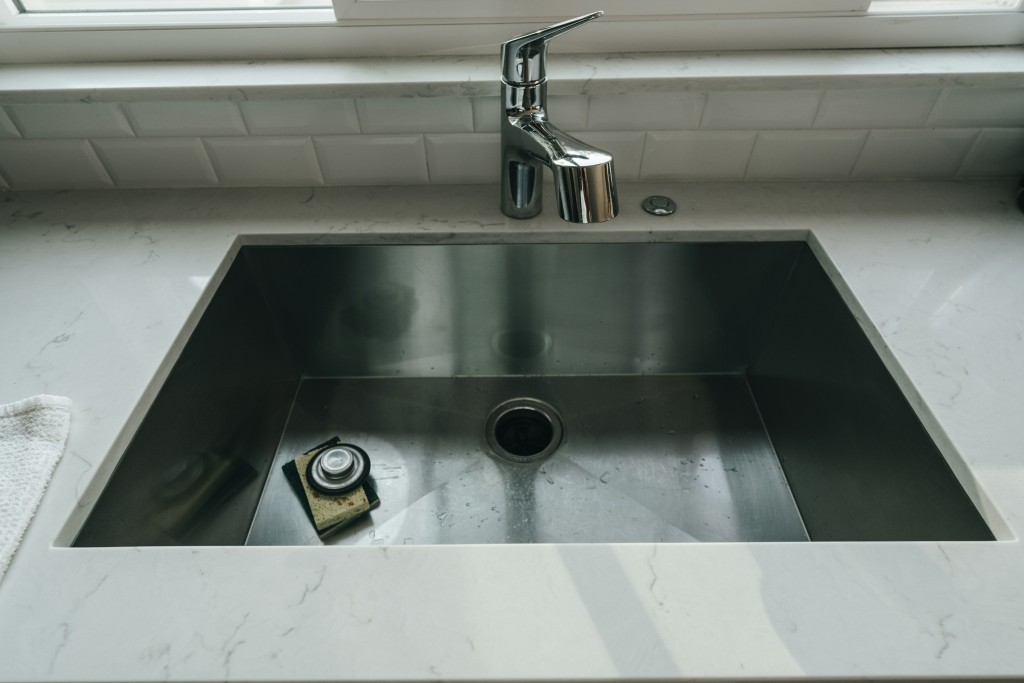
Ip emphasizes that the most effective and safe method is not soaking, but rinsing under running tap water. Even if pesticides are fat-soluble, the force of the water flow can still carry away chemical residues from the surface. "Aim for a rinsing time of about 3-5 minutes, not just a quick splash. Afterwards, you can gently pat the surface dry with a paper towel." For small fruits like blueberries, sufficient rinsing time and the impact force of the water are actually the most practical methods.
Many people on social media promote natural washing powders that claim to remove pesticides. Ip reminds that, based on the principle of soaking, if any other substance is present in the water, it often interferes with the ability to dissolve or wash away dirt. Therefore, using such products may not provide benefits. "Get back to basics: thorough rinsing with clean water is the most effective and safest method."
Author: Irene