Many people regard vinegar as a natural, all-purpose cleaner, even using it to wipe down the entire house. However, cleaning experts have listed 8 items that should never be cleaned with vinegar. They also warn that vinegar must never be mixed with one specific substance, as it will release a deadly toxic gas.
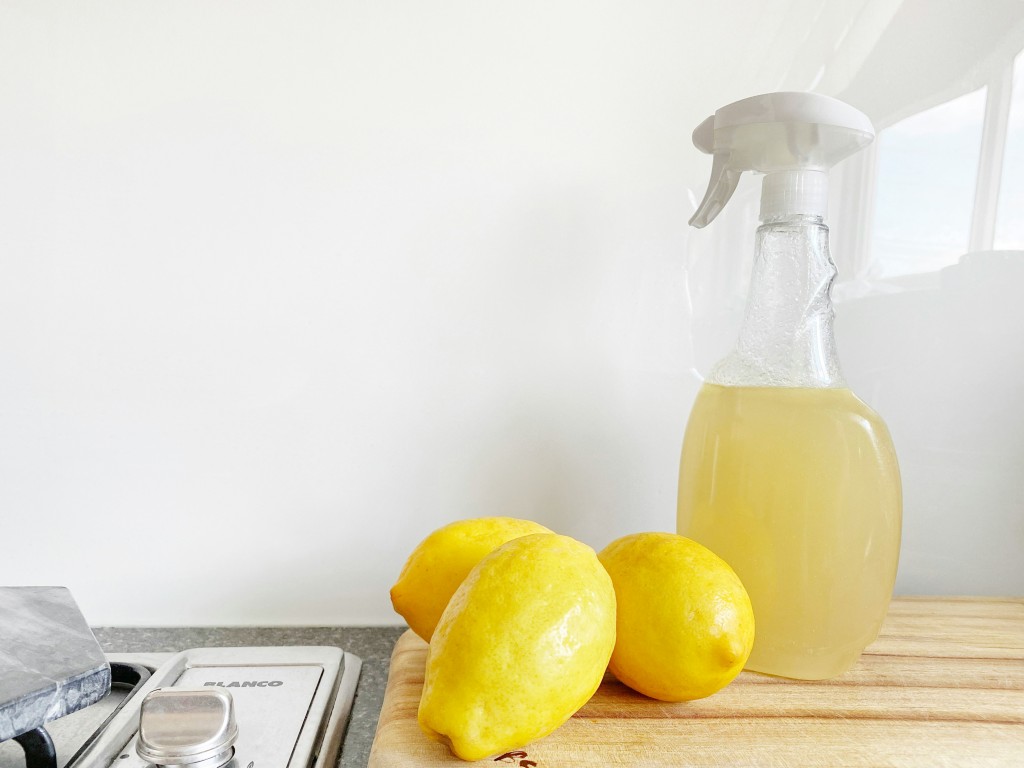
Foreign media Good Housekeeping points out that vinegar is a very effective cleaner, used by many for various things, including electric kettles and windows. Diluted with water, it can even be used to make a homemade cleaning spray. In fact, while white vinegar's strong acidity effectively removes hard water stains and certain types of grime, this also means it easily damages surfaces like wood, natural stone, and electronic screens. Experts issue a stern warning: never mix white vinegar with bleach. When mixed, they undergo a violent chemical reaction that releases toxic chlorine gas, which can be fatal if inhaled. To protect your furniture from "corrosion," experts list 8 items that should never be cleaned with vinegar:
8 Items You Should Never Clean with Vinegar
- Wood Surfaces (Wood Floors & Furniture): Even diluted vinegar can damage the coating on wood surfaces, including kitchen cabinets, solid wood floors, and wooden furniture (e.g., dressing tables, dining tables), causing them to lose their shine and become dull. Applied to untreated wood, it can cause the wood to absorb water and swell. Use a cleaner specifically formulated for hardwood floors or furniture.
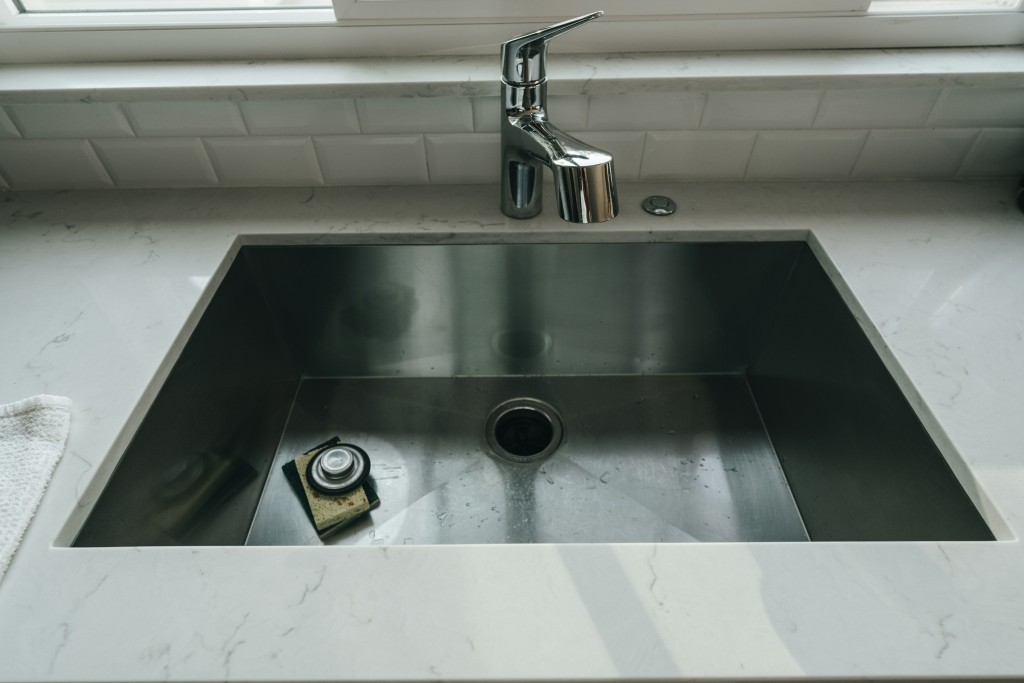
- Stainless Steel Appliances: The surface of stainless steel is actually quite delicate and easily damaged by acidic substances like vinegar. Use a dedicated stainless steel cleaner to remove grease, fingerprints, and food residue from appliances.
- Stone Countertops: Homemade cleaning sprays containing vinegar can potentially etch or corrode the surface of natural stone like marble, granite, and limestone. Mix 1/4 teaspoon of mild dish soap with a cup of water instead.
- Steam Irons: Many believe that pouring distilled white vinegar into an iron can dissolve mineral scale buildup. While vinegar might clean the inside, its acid can also severely corrode the iron's internal metal parts. To clean, simply fill the water tank with clean water, set the iron to its highest temperature and strongest steam setting, then vigorously iron an old cloth. The high-temperature steam will flush out the remaining limescale.
- Grout (Tiles): Long-term cleaning with vinegar can gradually damage or corrode the grout between tiles, especially if the grout isn't completely sealed or is in poor condition. Use diluted bleach with a stiff brush to clean tile grout.
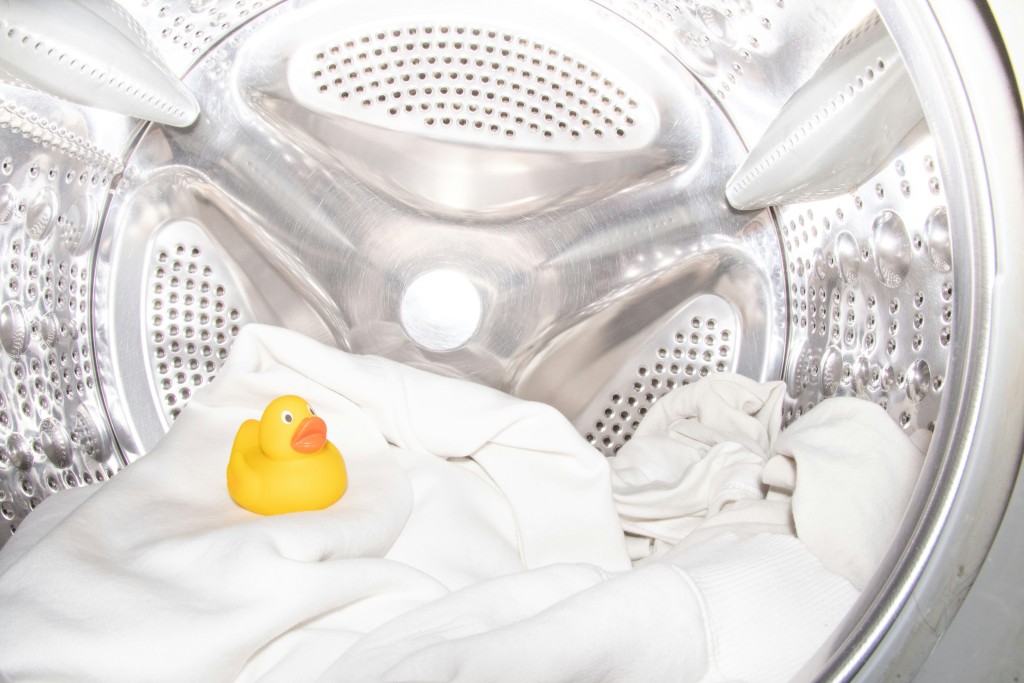
- Washing Machine Interior: Many people add vinegar to their wash to remove stains and odors. However, long-term accumulation of its acidity can potentially corrode internal components of the washing machine. Occasional use is not a big problem, but regular use is not recommended.
- Electronic Screens: Never use vinegar solution to clean phones, TVs, or any electronic screens. Acidic liquids can directly damage the anti-glare coating on the screen and significantly reduce touchscreen sensitivity. Use a slightly damp microfiber cloth or a certified, high-quality screen cleaner.
- Raw Egg Spills: Next time you accidentally drop a raw egg on the floor, don't immediately reach for white vinegar. Just like cooking a poached egg, the vinegar's acid will instantly coagulate the raw egg's protein, making it much harder to clean.
Source: Good Housekeeping