Who has not tried a Prosecco?
According to the Italian Sparkling Wine Observatory, global sales of Prosecco have surpassed Champagne production since 2013. In 2024, annual production of different types of Proseccos reached approximately 780 million bottles.
Yes, there is more than one type of Italian Prosecco.
“Prosecco” refers to the Glera-based sparkling wine produced in Veneto and Friuli-Venezia Giulia of Northeast Italy. Within these two regions, the large denomination of Prosecco DOC covers over 36,000 hectares and accounts for almost 85 percent of all Proseccos. These wines represent the typical “bollicine” – Italian sparkling wines – that most consumers come across at happy hour, free-flow weekend brunch, and the supermarket.
The remaining 15 percent largely goes to two main Prosecco Denominazione di Origine Controllata e Garantita, or DOCGs – the highest classification of Italian wines with tighter regulations: Asolo Prosecco DOCG and Conegliano Valdobbiadene Prosecco DOCG.
Both regions are considered the historic heart of Prosecco where the wine was originated in the late 19th century. In particular, the latter refers to 15 villages between Conegliano in the east and Valdobbiadene in the west, and the series of paralleled hills between the two offer one of the most stunning landscapes of Italy.
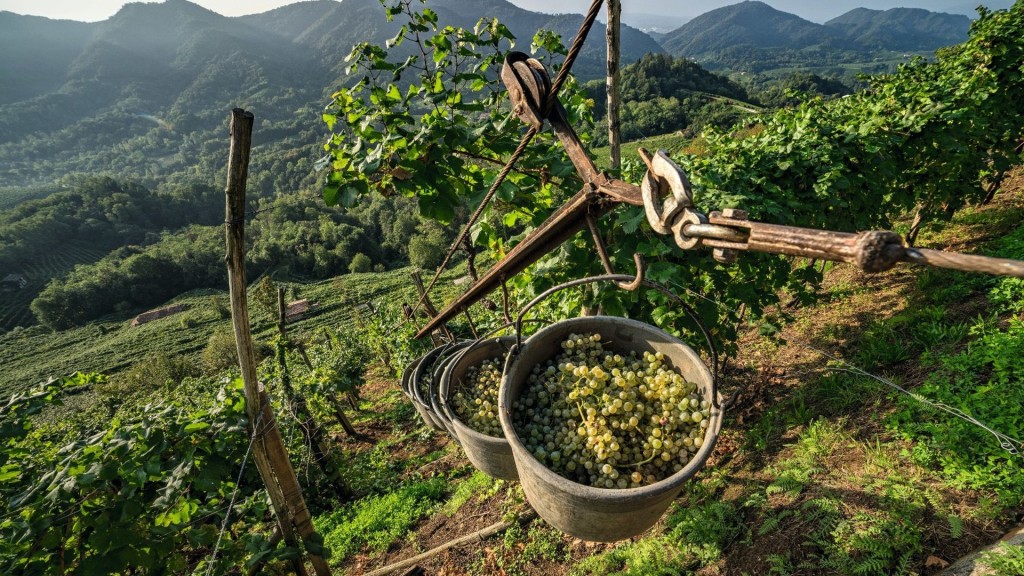
Some of the steep slopes can reach steepness of 70 degrees, yet local farmers overcome all kinds of challenges to make grape growing possible. This type of heroic viticulture symbolizes the harmony between man and land, and the beauty of this integration eventually allowed Conegliano Valdobbiadene to earn its Unesco World Heritage Site designation in 2019.
Within this 8,300 hectares of land lies Cartizze, a well-defined 107 hectares of vineyards on the steepest hills of Valdobbiadene. At 300 meters above sea level, this “Grand Cru of Prosecco” has full southern exposure, giving the grapes maximum ripeness.
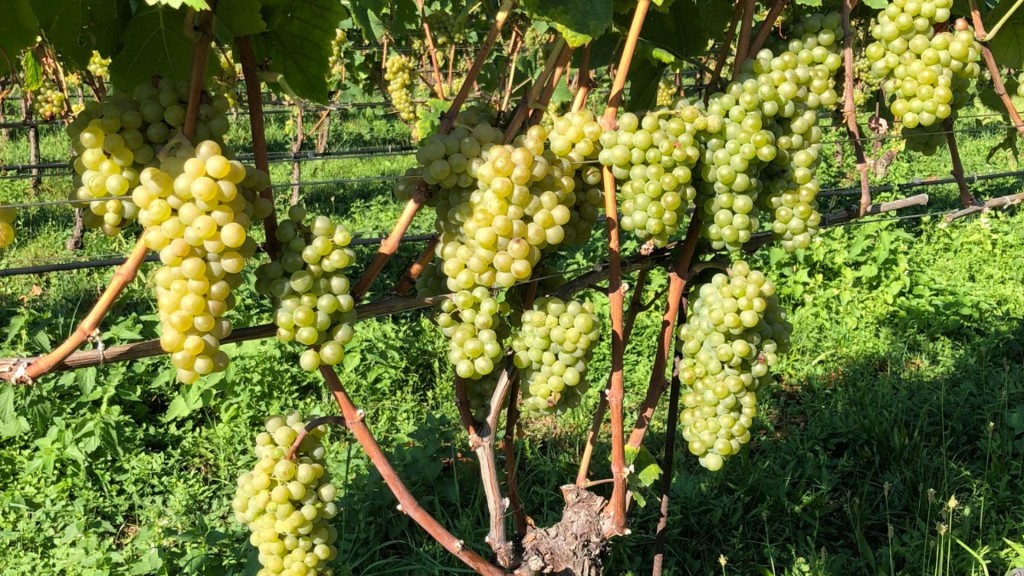
Glera is able to attain its full varietal expression of white peaches and buttercups with elegance and finesse. Among the 140 growers, Bisol’s Cartizze and Villa Sandi’s Cartizze Vigna La Rivetta are considered the most historic.
Who has not tried a Cartizze?
Alice Wong is a certified wine educator based in Hong Kong