






Read More



Pedestrian dies after being struck by Citybus in North Point
09-11-2026 10:52 HKT

Temperatures drop to autumn low of 23.2 degrees
09-11-2026 10:30 HKT



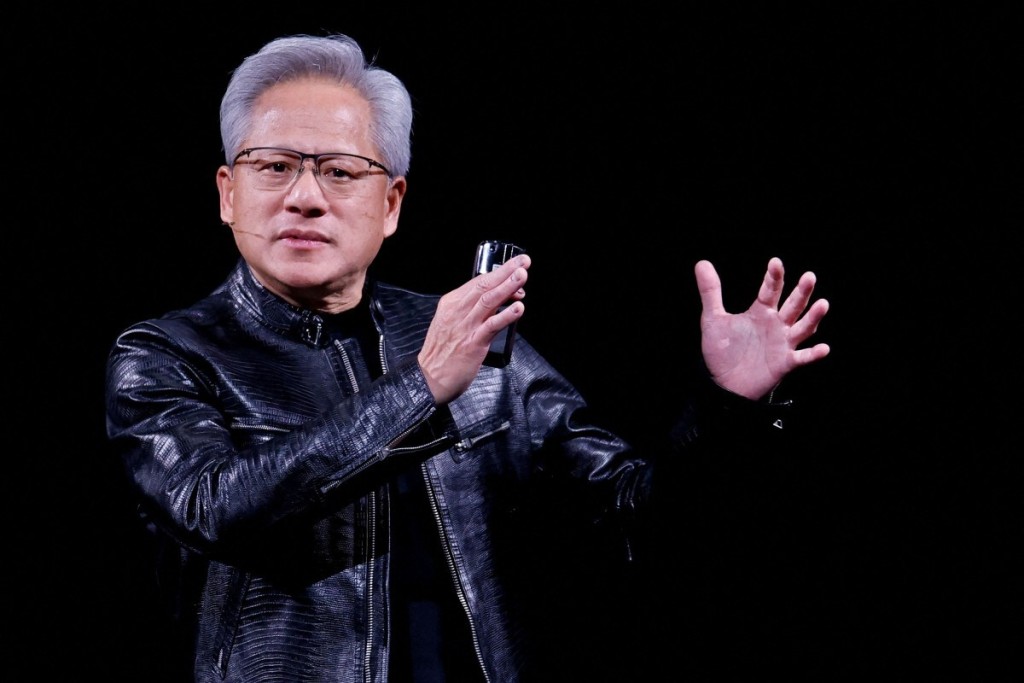
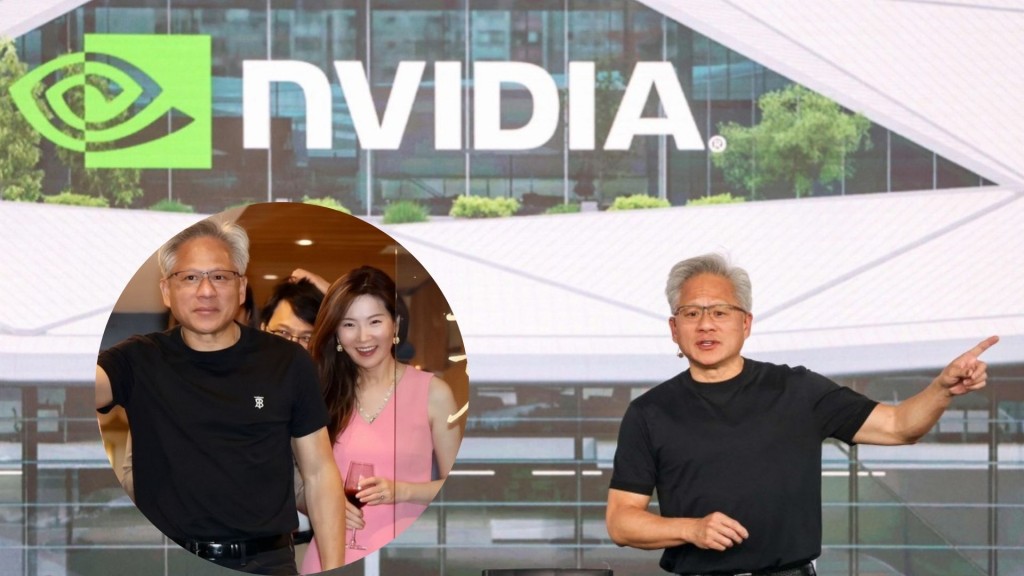
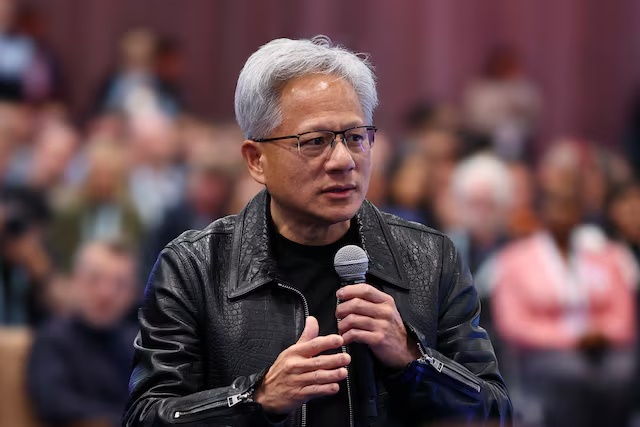
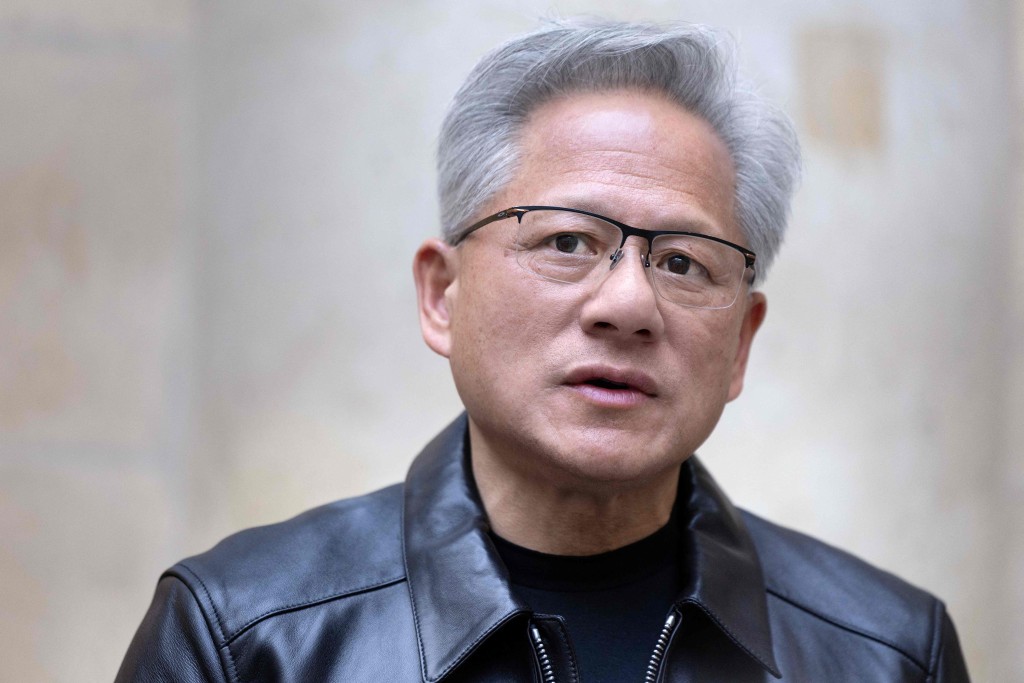
Foreign media have outlined five possible scenarios for Nvidia chief executive Jensen Huang after his extramarital affair scandal with suspected Chinese spy Alice Huang, who is reportedly a businesswoman, as the board has launched an independent investigation.
According to NDTV India, the most ideal outcome would be for the board’s independent probe to conclude that while Jensen Huang became a target of intelligence agencies, he did not actively leak any secrets or cause material harm to the company.
If the board finds no wrongdoing, the investigation would end, and Jensen Huang will remain in his position. The report noted that Nvidia’s initial official statements have already expressed confidence in him, emphasizing that national security and commercial secrets were not compromised.
However, if new evidence emerges later, the board’s stance could still shift.
Even if the investigation finds no evidence that Jensen Huang deliberately leaked secrets, the case could unveil the company’s internal operating loopholes, and the board will still keep him in the role while significantly tightening governance to address external concerns and criticism.
Going forward, Nvidia’s top executives would face stricter scrutiny and compliance requirements when handling sensitive information, engaging with clients, and operating in overseas markets subject to US export controls. This would help reassure the public and regulators while mitigating the impact to the company.
If the internal investigation reveals that Jensen Huang withheld key information from the board, made misleading statements, or was involved in a serious conflict of interest, the situation could deteriorate rapidly.
In such a case, the board would not need to wait for government or congressional investigations and could decide to replace him in the interest of protecting the company.
This scenario resembles the 2018 resignation of former Intel CEO Brian Krzanich, who stepped down for violating the company’s internal non-fraternization policy.
However, the two cases differ. Krzanich was involved in an internal workplace relationship, whereas Jensen Huang was involved with an external individual, and Nvidia has not yet determined whether he violated any internal rules.
The worst-case scenario would be the controversy spilling over into Nvidia’s broader business compliance. Given the strict US export bans on advanced AI chips to China, and the fact that Singapore-based Megaspeed had previously purchased Nvidia products, The New York Times reported that US intelligence officials believe former Megaspeed executive Alice Huang continued to pass information to Beijing.
If the probe points to the leakage of controlled technology, the US government and Congress would add more pressure on Nvidia and Jensen Huang, potentially leading to a criminal investigation.
Jensen Huang is scheduled to appear before Congress on November 18 to brief lawmakers on his personal relationships and security safeguards. That appearance is expected to be a critical turning point in how the situation develops.
If the personal controversy continues to severely disrupt the company’s business operations with governments, clients, and investors under mounting public and political pressure, Jensen Huang may choose to step down voluntarily for the best interest of Nvidia. Even if further investigations prove Jensen Huang did not engage in any intelligence-sharing with foreign espionage.
However, since founding Nvidia in 1993, Jensen Huang has been an indispensable figure – not only shaping the company’s technology development but also maintaining close relationships with key customers. Finding a suitable successor is arguably the greatest corporate governance challenge in Silicon Valley.