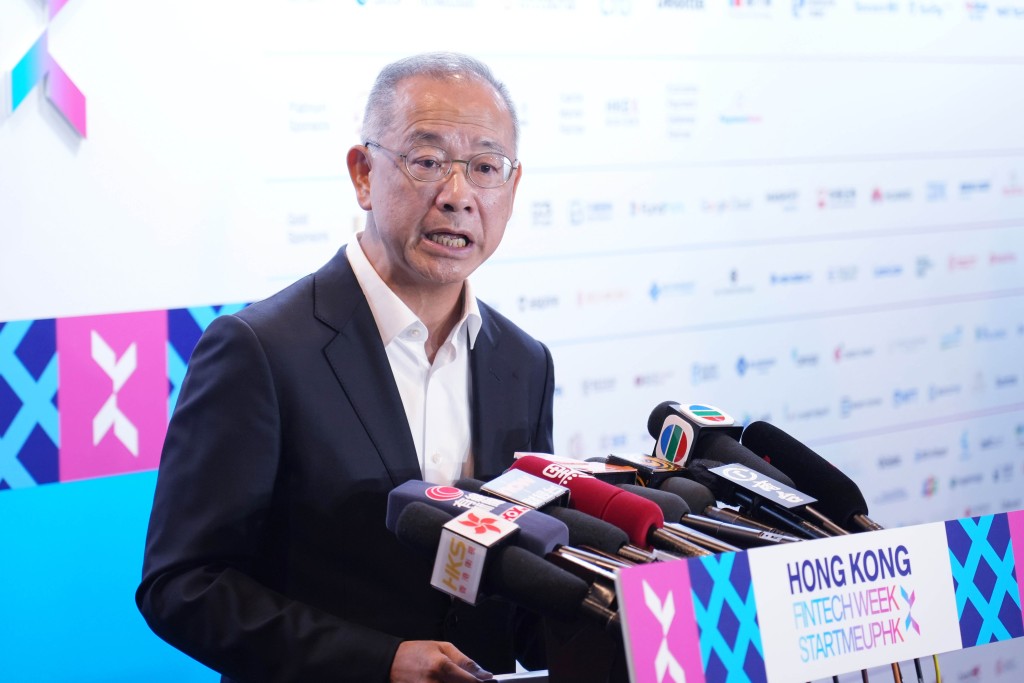
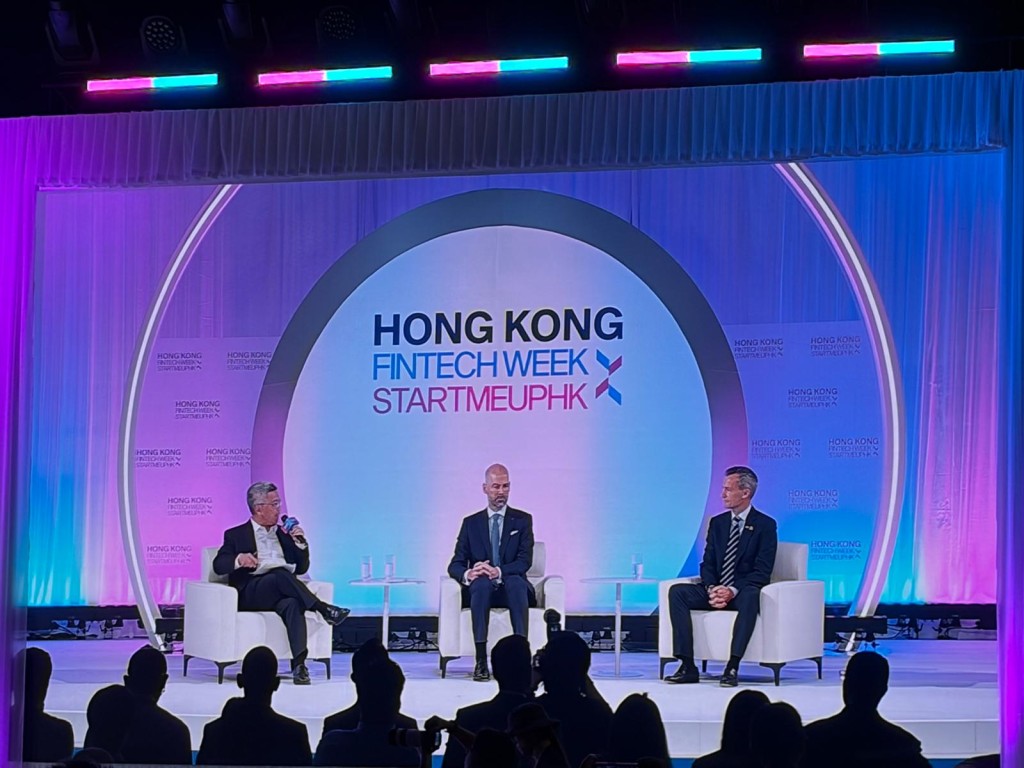
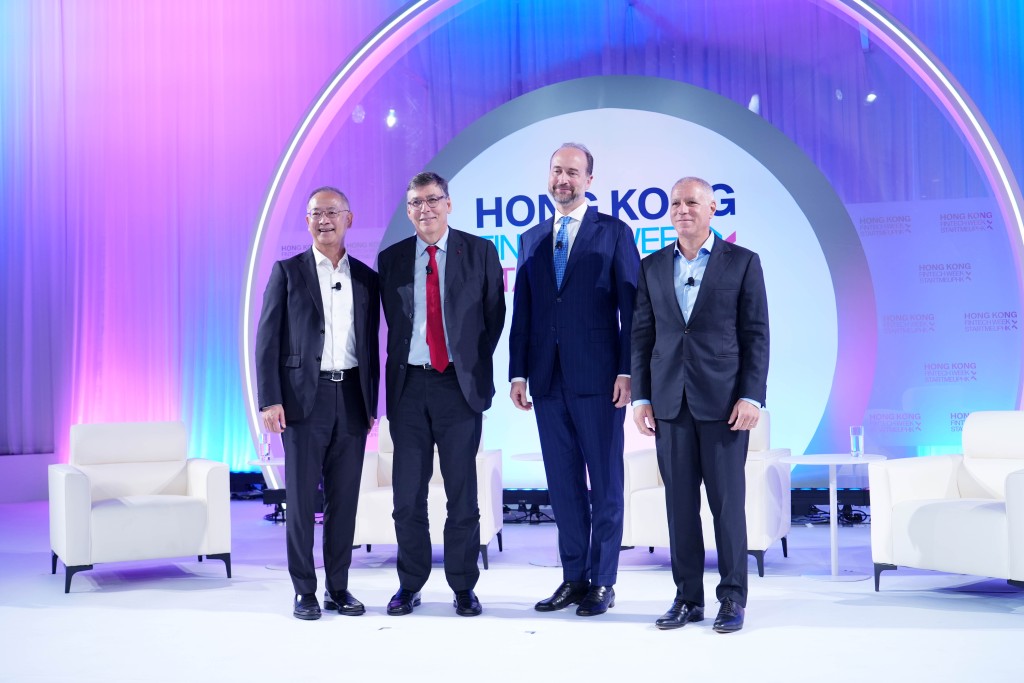
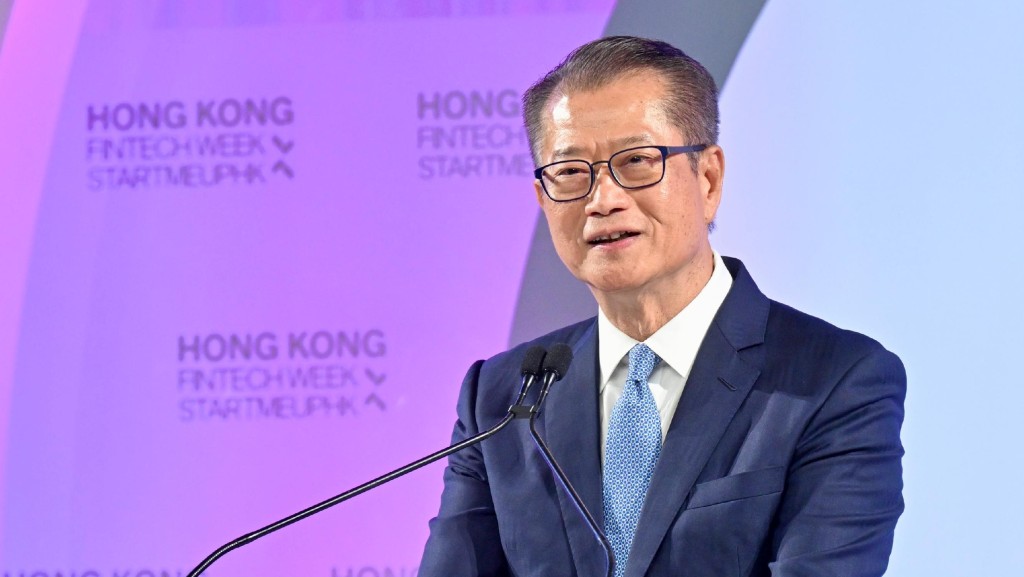
The Hong Kong Monetary Authority unveiled sweeping fintech initiatives – the DART framework – at the Hong Kong FinTech Week x StartmeupHK 2026 on Monday, spanning agentic finance, post-quantum cryptography, tokenization and cross-border payments.
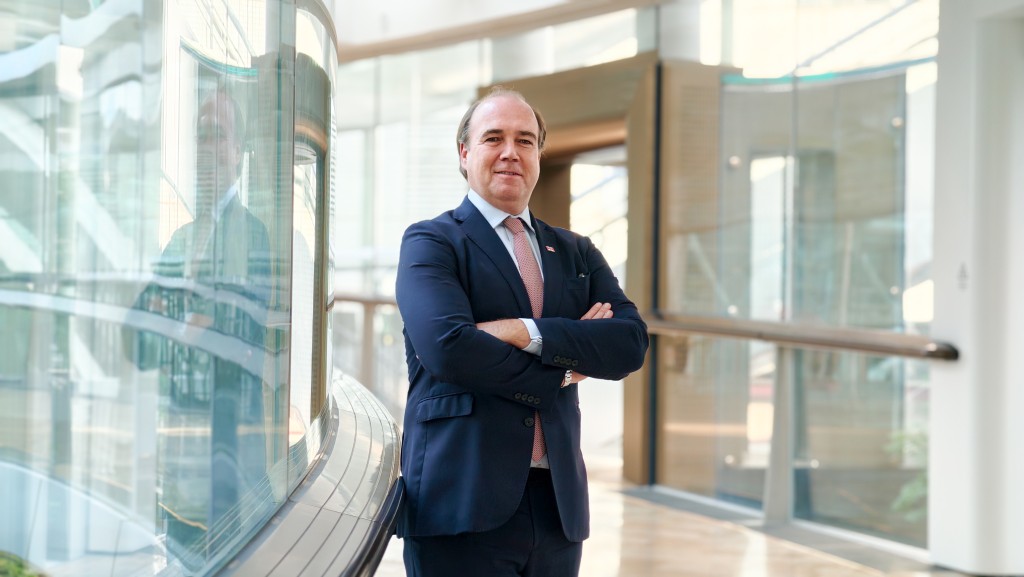
DART stands for “Data and Payment”, “Artificial Intelligence (A.I.)”, “Resilience” and “Tokenization”, according to HKMA’s chief executive Eddie Yue Wai-man, noting that the authority will expand four key areas from the framework that was announced at last year’s Fintech 2030.
Yue said AI has evolved from a question-answering tool into an agent capable of executing tasks autonomously, while tokenization has moved from sandbox experimentation into real-world finance.
Project SAGE for agentic finance
The HKMA will launch Project SAGE to promote the application of agentic finance while addressing governance, Yue said.
A cross-sector expert group – drawing on finance, payments, professional services, technology and academia – will explore new use cases for agentic AI in controlled environments, examine interoperability standards between AI agents, and develop a governance framework and safeguards.
The HKMA will also release a discussion paper on Monday to solicit industry views on banks' governance models and responsibility arrangements when using AI agents, including whether a central register of trusted agents or an industry-wide "know your agent" standard — akin to KYC — is needed, to establish guardrails that still leave room for innovation.
Post-quantum cryptography (PQC) Toolkit
Warning that quantum computing could arrive within three to 15 years and could rapidly break existing cryptography, Yue said banks need several years to prepare for the post-quantum transition.
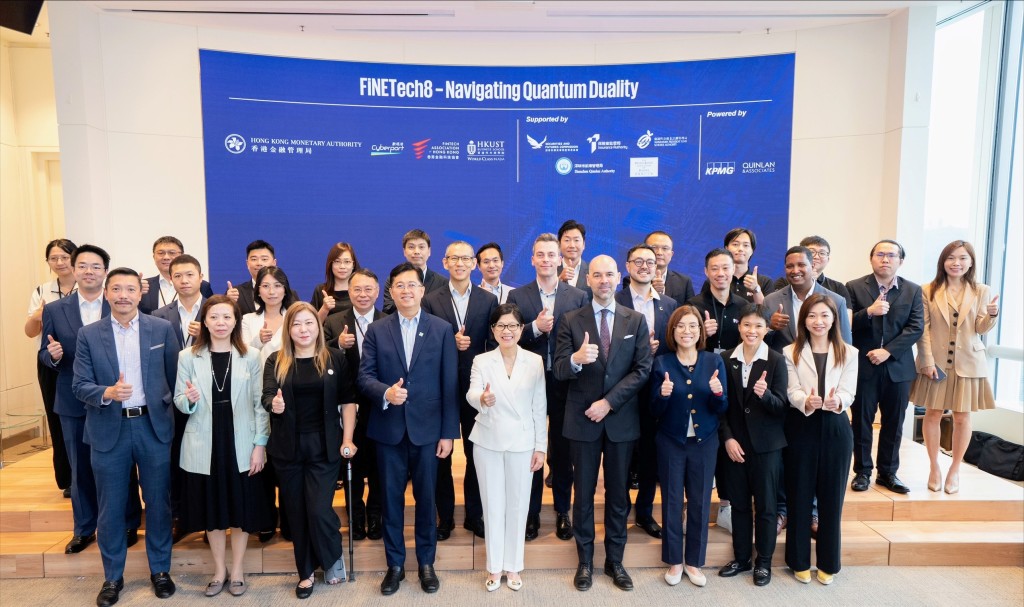
Partnering with the Hong Kong University of Science and Technology, HKMA launched a PQC toolkit, covering transition timelines, assessment, planning and implementation, including methods to achieve cryptographic agility, providing a framework for Hong Kong banks to prepare as early as possible.
Tokenization: 24/7 interbank tokenized deposits
Yue noted that as Hong Kong is already running tokenized bonds, money market funds and gold, Ensemble is entering a new stage with the introduction of tokenized Hong Kong currency, enabling interbank tokenized deposits with 24/7, all-weather real-value transactions.
Yue said the ecosystem for 24/7 tokenized deposit payments and instant settlement is already achievable, while the pilot scope for Exchange Fund bills and notes will continue to expand.
Participation will be expanded to give customers more choice and enable cross-bank transfers around the clock, benefiting enterprises managing global funds and retail investors alike.
The HKMA will further expand pilot trading of tokenized Exchange Fund bills and notes, which have improved secondary-market liquidity and repo efficiency, and will explore including regulated stablecoins as payment targets.
A new collaboration platform, tConnect Launchpad, launched with Cyberport, will open participation beyond financial institutions to fintech and digital asset companies and will begin accepting applications on Monday, Yue said.
FPS goes global
On payments, FPS will connect with global banks this year, gradually supporting more than 40 global markets and over 100 million UnionPay and partner merchants where QR code payments can be made to offer more options for users in local spending and travel.
Yue stressed that innovation must go hand in hand with risk management so that fintech development lands steadily and benefits more people. He noted that its strategy, first set for Fintech 2030, has seen much progress in a single year, with four years remaining.