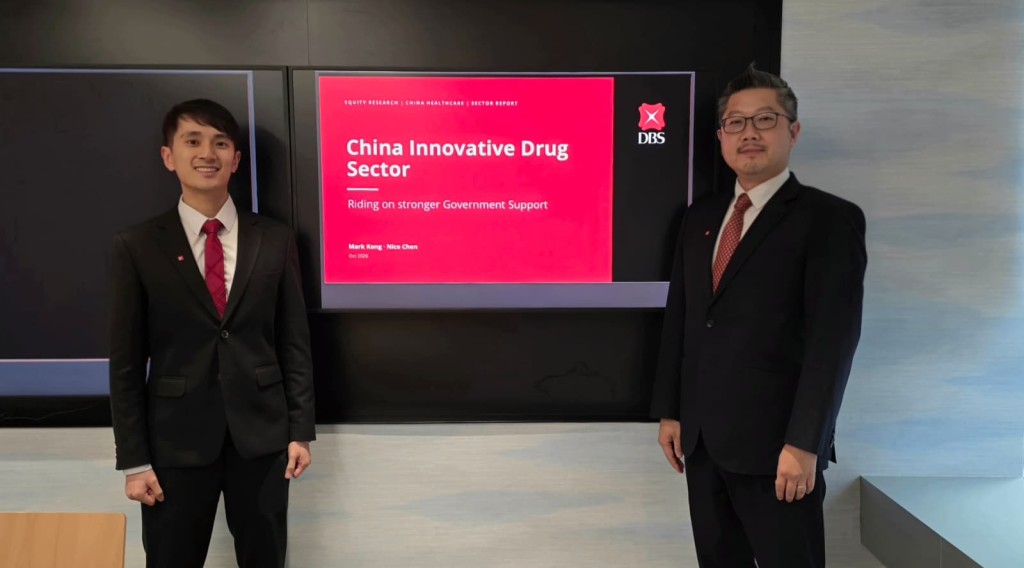
DBS Hong Kong stays constructive on China's innovative drug sector, buoyed by rising central government support, with buying opportunities flagged for the fourth quarter this year.
China is targeting 20 percent compound annual growth in the sector from 2026 to 2030, up from 7 percent in the prior five years, and lifting the country's global share of first-in-class (FIC) drugs — medicines with entirely new mechanisms, a key gauge of innovation — by at least 25 percent by 2030, according to the Ministry of Industry and Information Technology.
The bank projects China can meet the targets backed by a series of policies to alleviate drugmakers' pricing and cost pressure.
Innovative drug pricing has shifted from steep mandatory cuts to a flexible system. New drugs get a stable-pricing window, and makers may adjust prices according to electronic patient medical records, moving past aggressive discounting.
In addition, they can gain easier access to the National Reimbursement Drug List. Meanwhile, the Bank of China (3988) will provide 1 trillion yuan (HK$1.17 trillion) for small-to-mid-sized innovative biotech companies in five years. The committed support is more than twice the total debt of Hong Kong and mainland listed pharmaceutical and biotech firms as of September 2026.
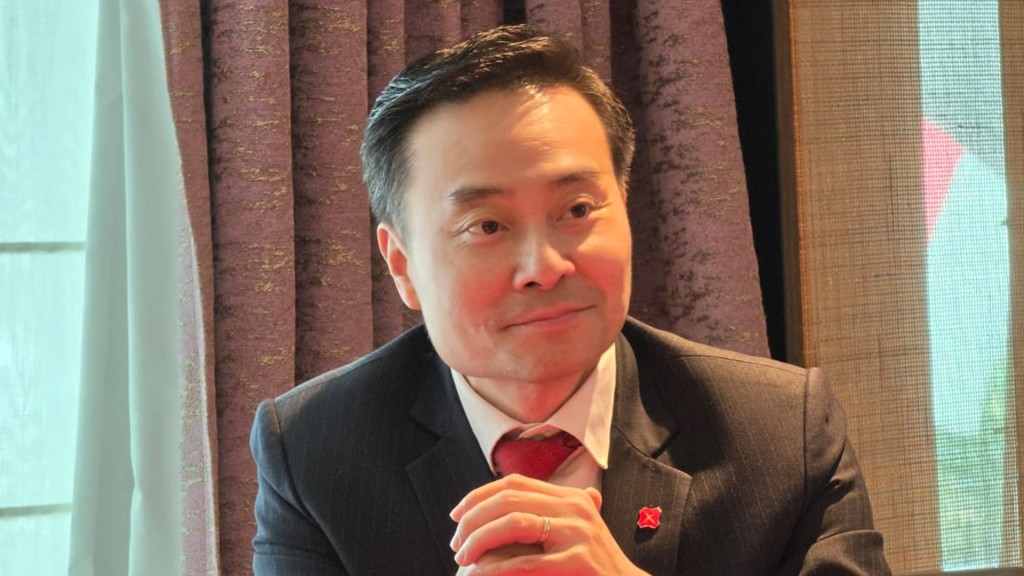
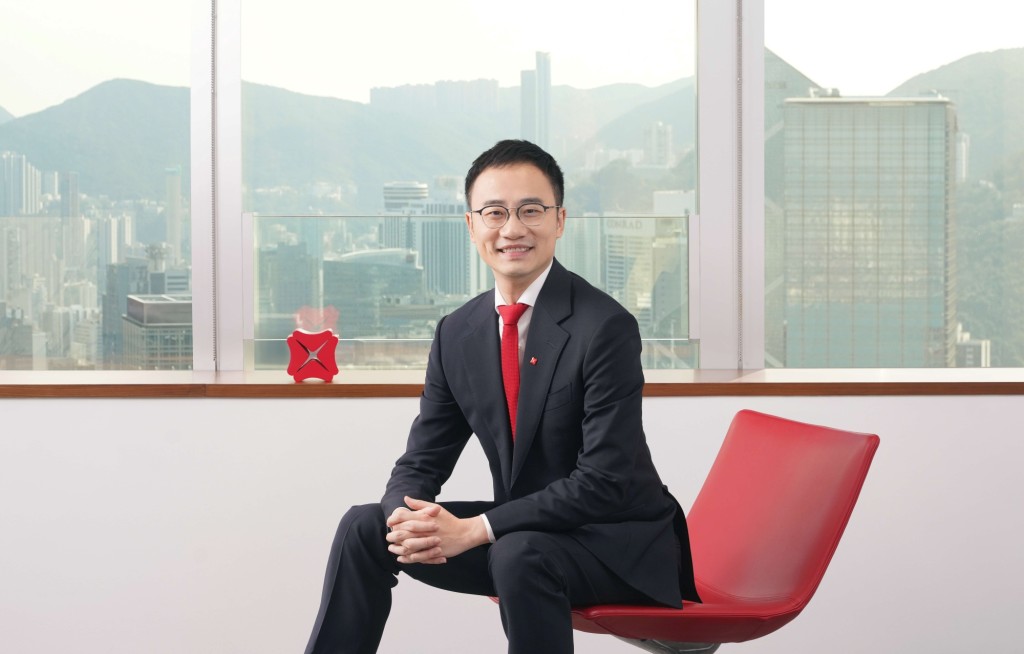
Mark Kong, executive director of Equity Research at DBS Hong Kong, said given the high R&D expenditures and volatile earnings characteristic of the sector, biotech firms have traditionally struggled to secure funding from financial institutions. Alongside rising interest rates, higher borrowing costs would be one reason the sector has been undervalued for a while versus the AI and technology space.
The increasing global share of the FIC drugs could drive a sector re-rating, as it implies a larger pool of candidates for overseas out-licensing, where profit margins can exceed 90 percent. China's out-licensing deal value has maintained at over 100 percent year-on-year growth from 2024 to the first half of 2026, contributing to a 110 percent surge in the Hang Seng Biotech Index over the period, the bank reported.
The fourth quarter may see a short-term correction with potential buying opportunities, while new effective policies on drug sales representatives are disrupting marketing and forcing strategy overhauls, which may weigh on the third quarter's sales and sentiment, and further US Fed rate hikes will likely create persistent selling pressure, according to Kong.
DBS named BeOne (6160) a top pick with a HK$290 buy rating. Capturing growth at home and abroad, it is the only firm among its top 20 listed peers with a US production facility and sales to capture the important US market and other around 70 countries, giving it greater flexibility to dodge tariffs and geopolitical risks, Kong said.
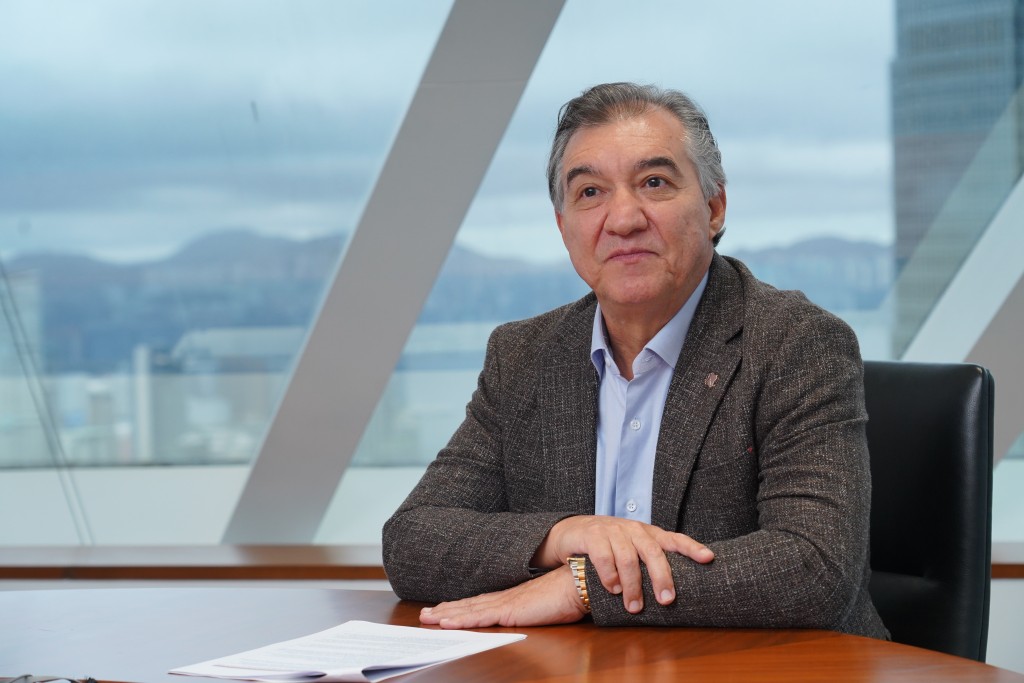
As AI-driven drug discovery in China has become a growing trend, Nico Chen, healthcare sector analyst of Equity Research at DBS Hong Kong, said AI speeds up drug development. For example, It can cut molecular-structure work by half to 18 months, while the whole drug development cycle may be trimmed to eight years from the traditional 10, he added.
Frank Feng