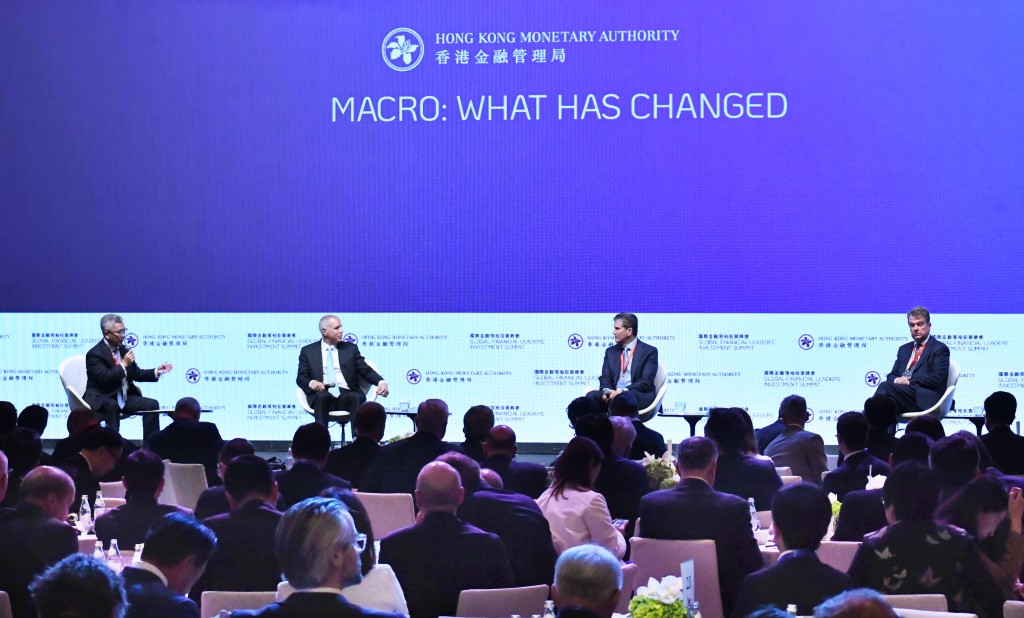
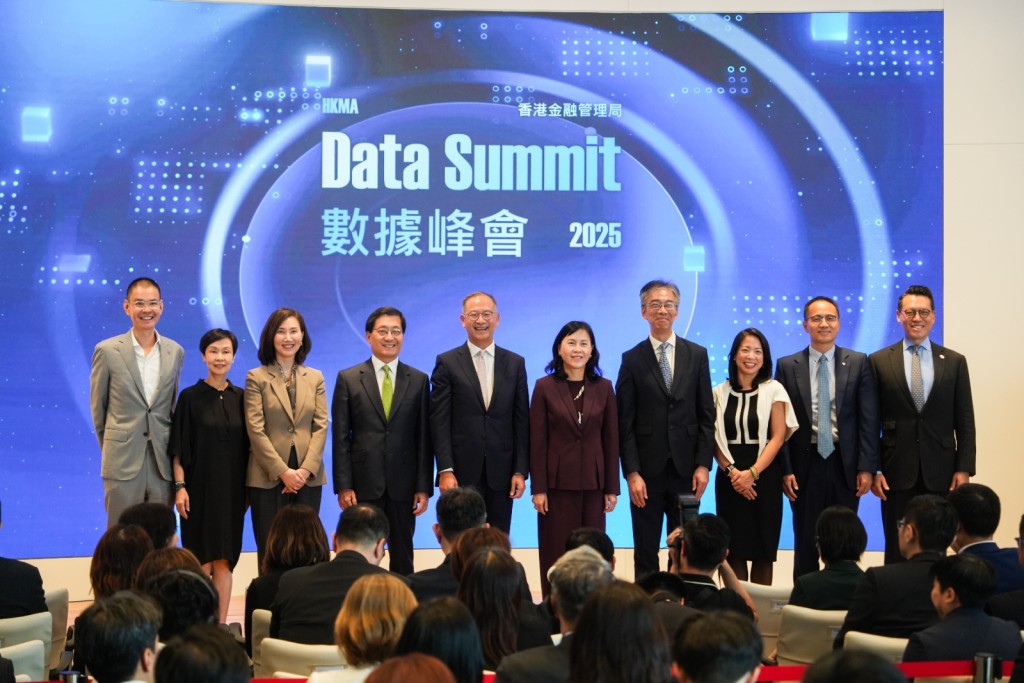
The Hong Kong Monetary Authority on Thursday unveiled an “ART” Framework under Fintech 2030 to help banks adopt artificial intelligence responsibly, as the technology evolves from generative tools to autonomous agentic systems.
“ART” stands for accountability, resilience and trust. Accountability requires clear ownership and human oversight throughout the AI lifecycle. Resilience focuses on secure, robust systems that fail safely. Trust emphasizes fairness, transparency, explainability and privacy.
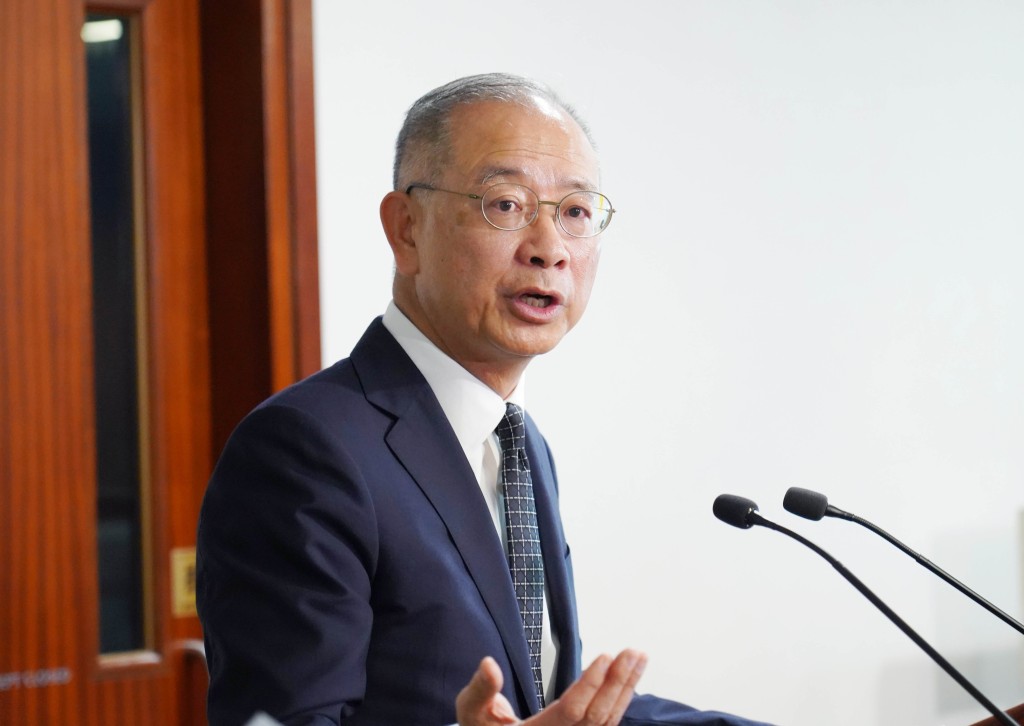
“By pairing innovation with clear accountability, resilient operating models and effective human oversight, banks can fully realize the benefits of AI while maintaining the trust and stability of Hong Kong’s financial system,” said Arthur Yuen Kwok-hang, HKMA deputy chief executive.
The HKMA noted that more than 60 per cent of the use cases explored agentic AI, reflecting the industry’s active pursuit of advanced applications such as automated planning and execution of multi-step tasks within defined boundaries and controls.
Under the framework, the HKMA has issued an updated Supervisory Guidance for Responsible Adoption of Artificial Intelligence. The guidance outlines nine principles across the three ART pillars and draws on insights from the second cohort of the Generative A.I. (GenA.I.) Sandbox. These principles replace the HKMA’s 2019 High-Level Principles on Artificial Intelligence and provide more detailed expectations on board-level governance, risk management, trust and transparency.
In collaboration with Cyberport and the University of Hong Kong, the HKMA will also establish an A.I. training data sharing platform, with data quality assurance as a core design principle. It will further test agentic A.I. applications through the GenA.I. Sandbox++ and publish a discussion paper on a proposed supervisory framework for agentic A.I. governance. The paper will explore intent-anchored accountability, a registry of material A.I. agents, and effective intervention mechanisms.
These steps build on the GenA.I. Sandbox, which has completed its second cohort. Twenty banks and 14 technology partners tested 27 use cases. Results included a risk-analysis agent that reduced query times by 95 per cent with full accuracy, a digital Know Your Customer (eKYC) fraud system that shortened onboarding by about 40 per cent, and wealth-management chatbots that scored above 99 out of 100 for accuracy and relevance.
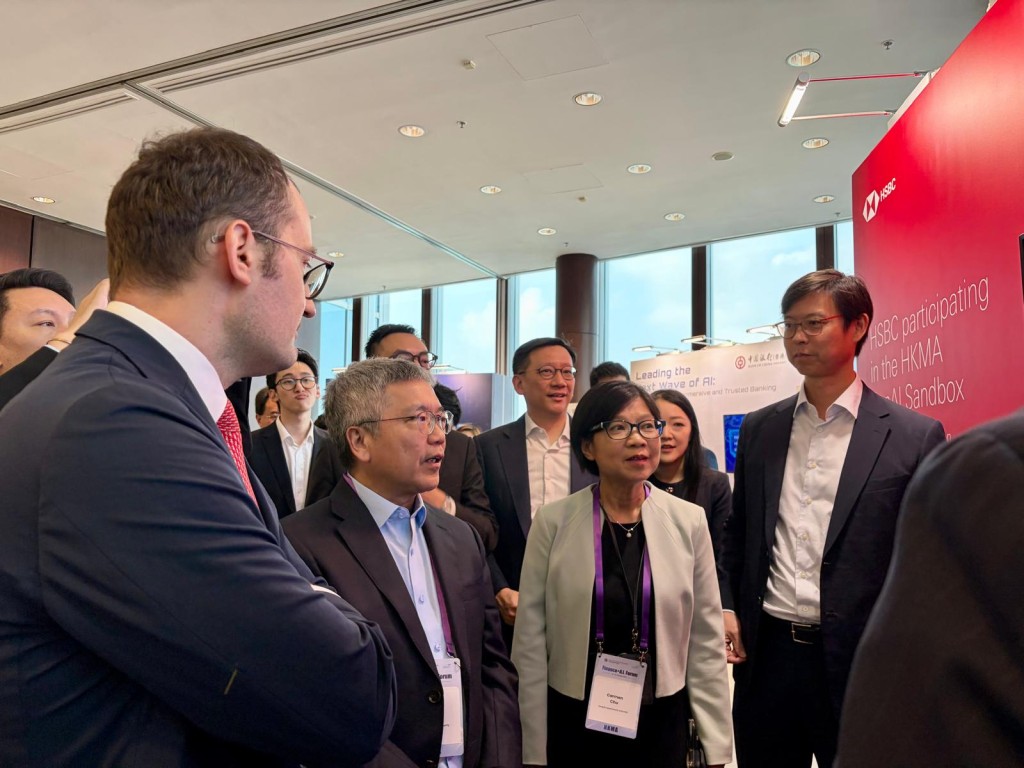
Meanwhile, the Hongkong and Shanghai Banking Corporation (0005) has tested two use cases within the HKMA’s GenA.I. Sandbox to address two high-impact priorities for the financial sector: enhancing customer experience and strengthening anti-fraud capabilities, said HSBC's co-chief executive of Asia and the Middle East, David Liao Yi-chien.
He said at the Finance+A.I. Forum on Thursday that HSBC already has a strong team of 150 AI specialists and will continue to expand, with the team size expected to double in the next two to three years.