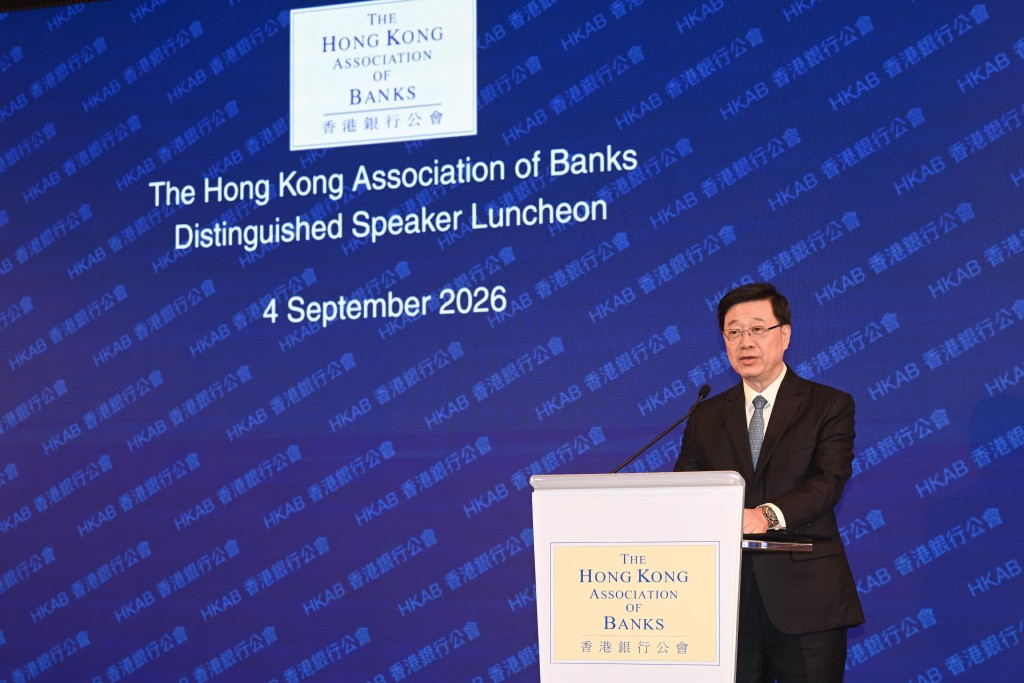
The Hong Kong Association of Banks launched the Anti-Fraud Education Campaign on Thursday, involving banks, regulators, and community groups, after the police recorded HK$8 billion lost across 40,000 cases last year.
From fake bank websites and bogus investment platforms to the use of AI technology for deepfake impersonations of family and friends, scammers use excuses such as high-interest returns, urgent needs of relatives and friends, or claims of law enforcement investigations, said Sun Yu, chairman of the HKAB, and vice chairman and chief executive of Bank of China (Hong Kong) (2388).
Yu noted that law enforcement and prosecution face enormous challenges, as criminals commit offenses from cross-border operations.
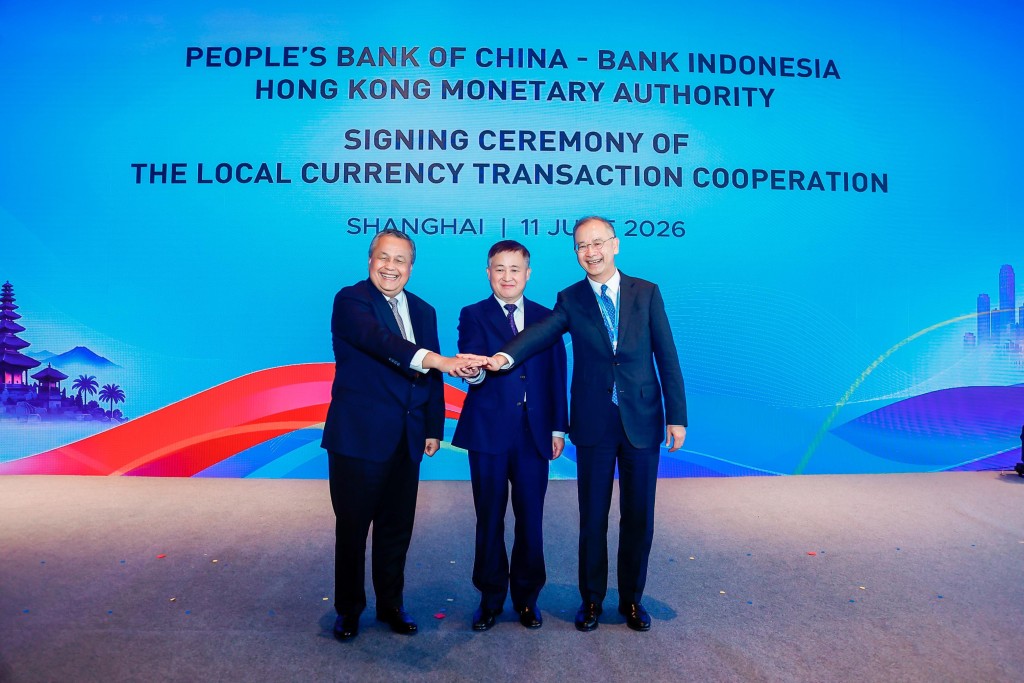
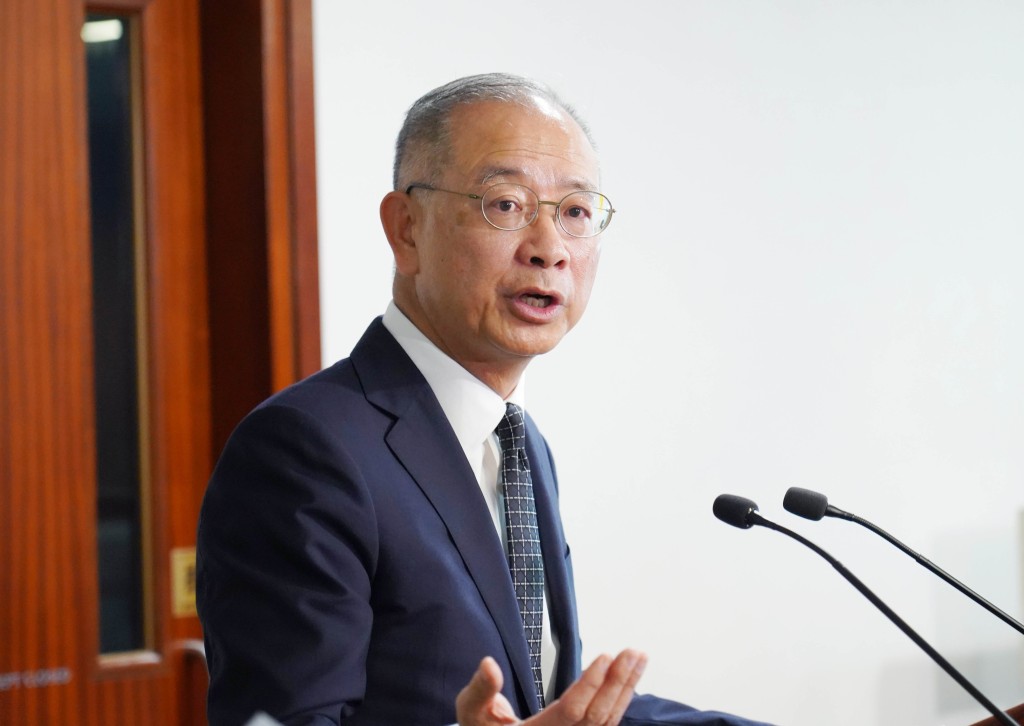
Eddie Yue Wai-man, chief executive of the Hong Kong Monetary Authority, said scammers take advantage of the ease and trust in advanced technology used daily, which not only threatens people's financial safety but also affects public confidence in our financial services.
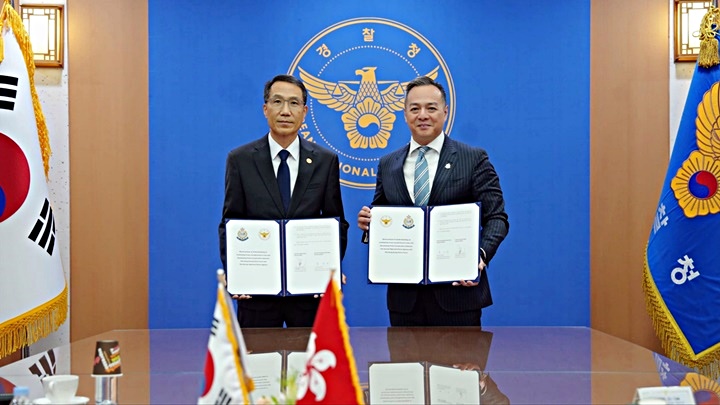
He emphasized that the HKMA had been working hand in hand with the police force to combat fraud in four key areas, including enhancing banks' ability to detect suspicious transactions, facilitating information sharing — both among banks and between banks and the police, strengthening risk alerts, especially from banks to their customers, as well as raising anti-fraud awareness among the public.
Secretary for Justice Paul Lam Ting-kwok noted that victims can be highly educated but fooled by scammers' old tricks in new packaging. He said anti-fraud awareness is a psychological battle, as people may be manipulated by fear and greed.
Lam said HKAB's series of activities will use advocacy and interactive methods to bring anti-fraud information to the general public — youth, students, seniors, and investors alike. The campaign is a collaboration among the HKAB, the Security Bureau, the Hong Kong Police Force, and the HKMA.