Read More






US, Iran separately talk with mediators in latest bid to end war
29-09-2026 11:58 HKT

Oil gains 2 percent as US-Iran peace talks in stalemate
28-09-2026 21:57 HKT




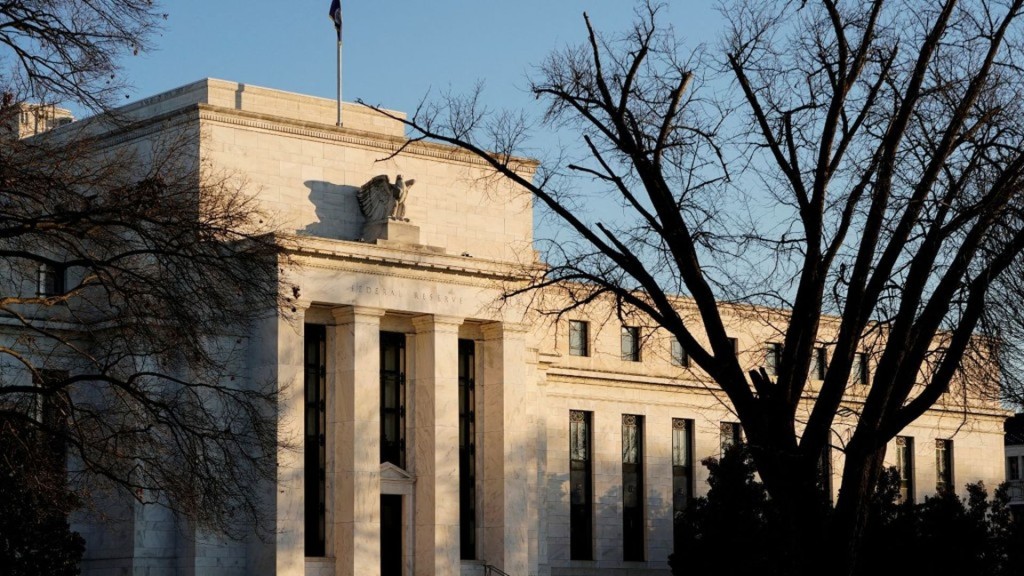
U.S. inflation increased less than expected in August, which could see financial markets further reduce the odds of another interest rate increase from the Federal Reserve next month.
The Personal Consumption Expenditures Price Index rose 0.3 percent last month after a downwardly revised 0.1 percent gain in July, the Commerce Department’s Bureau of Economic Analysis said on Wednesday. Economists polled by Reuters had forecast the PCE price index rising 0.4 percent after a previously reported 0.2 percent gain in July. In the 12 months through August, PCE inflation advanced 2.6 percent after increasing by a downwardly revised 3.4 percent in July.
PCE inflation was previously reported to have increased 3.7 percent in July on a year-on-year basis. The BEA changed its methodology for calculating prices for software and accessories, portfolio management fees and legal services in the PCE price index. It also revised the inflation data going back to 2021.
Excluding the volatile food and energy components, the PCE Price Index climbed 0.2 percent over the month after a downwardly revised 0.1 percent rise in July. The so-called core PCE inflation was previously estimated to have gained 0.2 percent in July.
Core PCE inflation increased 3.0 percent year-on-year in August after a downwardly revised 3.0 percent advance in July. Underlying inflation was initially estimated to have risen 3.3 percent in the 12 months through July.
The US central bank tracks the PCE price measures for its 2 percent inflation target. The Fed this month raised its benchmark overnight interest rate to the 3.75%-4.00% range, the first rate hike in three years, and flagged further increases in borrowing costs in the months ahead.
The odds of an October rate hike were diminished by New York Fed President John Williams’ comments on Tuesday that he saw “no urgency” for further action. Prior to the inflation data, financial markets priced-in a roughly 51.5 percent chance of further policy tightening next month, down from 70 percent on Monday, CME’s FedWatch Tool showed.
Higher inflation and borrowing costs could crimp consumer spending. A survey from the Conference Board on Tuesday showed consumer confidence plummeting to a near 12-1/2-year low in September. There are, however, no signs yet of consumers significantly dialing back.
Consumer spending, which accounts for more than two-thirds of economic activity, surged 0.9 percent last month after a downwardly revised 0.1 percent gain in July, the BEA said. Spending was previously estimated to have gained 0.2 percent in July.
Reuters