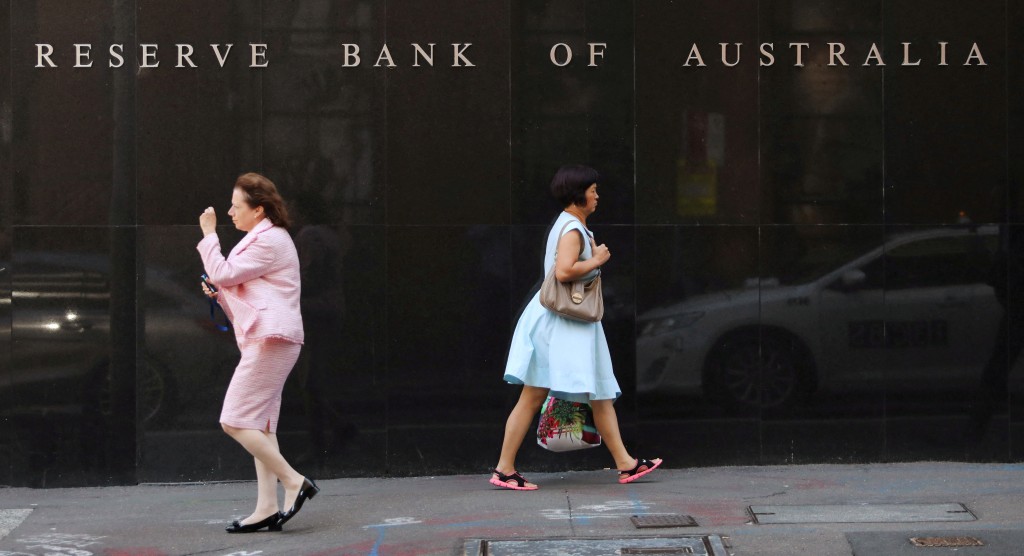
Australia's central bank raised its cash rate to a 15-year high on Tuesday in its fourth hike of the year, saying some inflation risks have materialised and that it was prepared to hike further if needed.
Wrapping up its September policy meeting, the Reserve Bank of Australia board voted unanimously to lift rates by 25 basis points to 4.6 percent. That brought the tightening this year to a full percentage point.
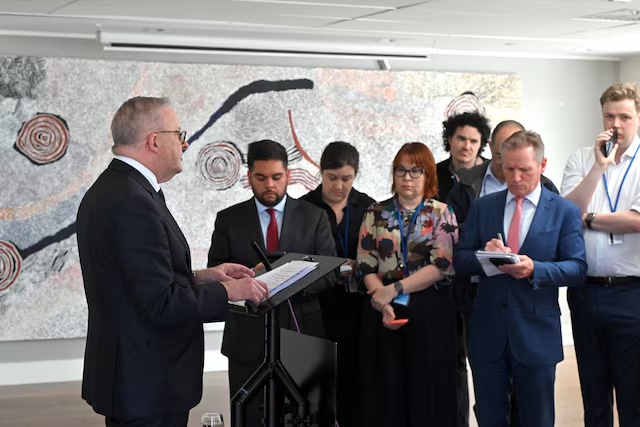
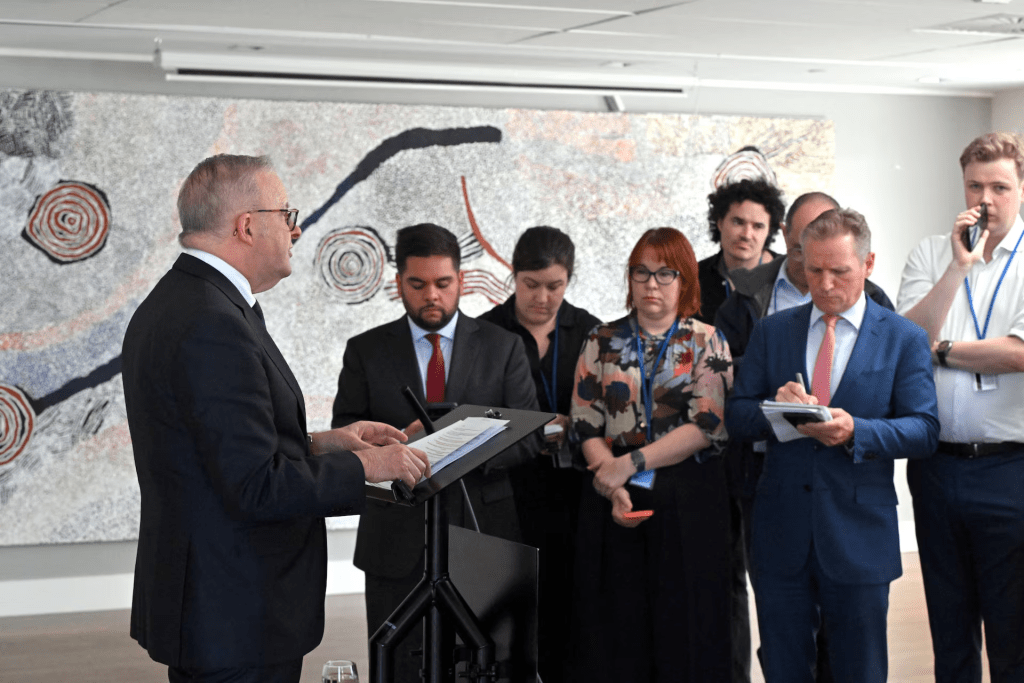
The move was widely expected, but Governor Michele Bullock said the board did consider keeping interest rates steady this time, adding that the central bank is now trying to look ahead and see what the rate rises to this point will do to the economy.
"What we are predicting — what is the hope here — is that this will be restrictive enough, those four interest rate increases, to bring things down. Now, will it be enough? I don’t know," Bullock said at the post-decision press conference.
The Aussie dollar slipped 0.4 percent to US$0.6989 and three-year government bond yields fell 6 basis points to 4.974 percent. Markets are implying a 33 percent probability for a hike in November but are almost fully pricing in a rise by February next year.
A vast majority of economists had predicted Tuesday's hike given that inflation came in hotter than expected in July, oil prices had surged anew amid few signs of a resolution in the Gulf conflict, and policymakers had repeatedly warned that inflation risks could be materialising.
Brent crude has climbed nearly 20 percent since the RBA last met in August, threatening a broadening of price pressures. Rising fuel costs are expected to have pushed headline inflation back up to 4.1 percent in August, well above the RBA's target band of 2 percent to 3 percent, while underlying inflation likely remained sticky at 3.6 percent, data due on Wednesday are forecast to show.
"There have been further disruptions to global oil supply and recent data suggest that growth and inflation in Australia have been higher than expected," said the board in a statement.
"The Board will continue to do what it considers necessary to bring inflation sustainably back to target, including increasing the cash rate target further if needed."
Meanwhile, a data centre investment boom, estimated by Westpac to be worth as much as A$175 billion (HK$959.43 billion), is adding to domestic demand. RBA Deputy Governor Andrew Hauser recently returned from the US more worried about inflation after having seen the AI-driven investment frenzy firsthand.
THE UBER HAWK
The RBA's 100 basis points of tightening this year has more than reversed the 75 basis points of policy easing from 2025.
It leaves Australia ahead of much of the developed world. The US Federal Reserve this month delivered its first rate hike in more than three years, while the European Central Bank has raised rates twice this year.
"The war has been a disaster for the global economy," said Treasurer Jim Chalmers. "Australian workers didn't choose this war, but they are paying a hefty price for it."
Australia's economy has slowed amid higher borrowing costs, but not enough to dispel inflation concerns. Annual growth still ran at 2.1 percent in the second quarter, above the 2 percent speed limit the central bank believes can be sustained without generating inflation.
Household spending did go flat in August after a strong three-month run, but the annual rate remained robust at 6.8 percent.
The labour market is gradually easing but was still judged to be tight by the RBA. Employment growth exceeded expectations in August, while the jobless rate edged up to 4.6 percent only because more people entered the workforce.
"With inflation being above target for five of the last six years, the RBA is likely to retain a tightening bias for a while to come, so the risk of another rate hike is very high," said Shane Oliver, chief economist at AMP.
"However, by the time the next RBA meeting comes around in November there is likely to be more evidence of a cooling economy, sharply falling home prices, a softer jobs market and rising recession risks so we don’t think a second hike — let alone a third — will be necessary."
Reuters