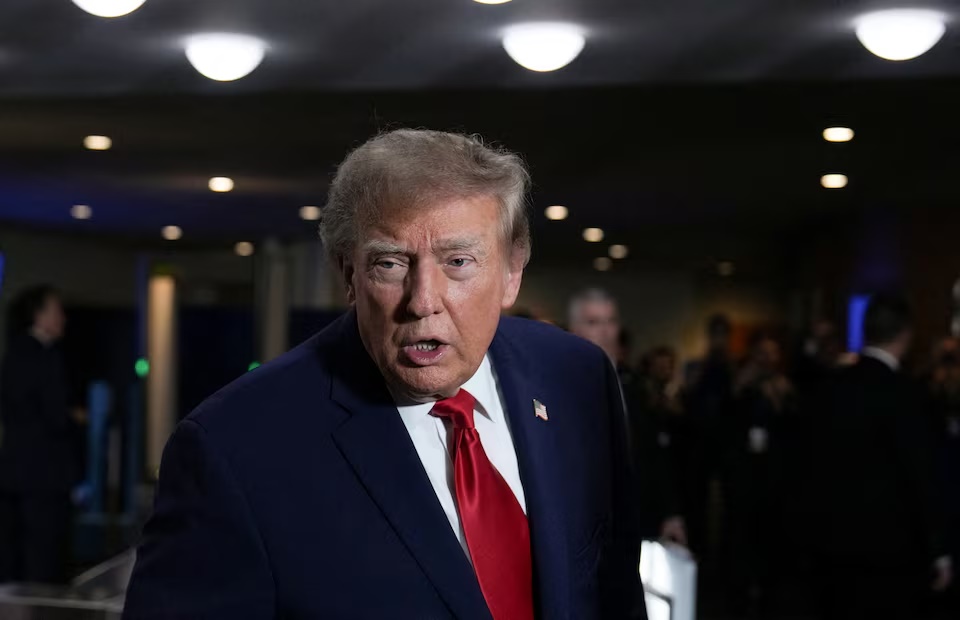
Oil prices rose about 2 percent on Monday after US President Donald Trump rejected a peace deal from Iran to resolve their conflict and reopen the Strait of Hormuz.
Brent futures were up US$1.68, or 1.6 percent, at US$106 a barrel by 1320 GMT, after hitting their highest since September 15 earlier in the session. US West Texas Intermediate crude was at US$94.10 a barrel, up US$1.69, or 1.8 percent.
Iran announced a peace proposal last week at the UN General Assembly in New York, saying it had been transmitted to the Americans via Qatari mediators.
Trump said on Saturday he rejected the plan, but told Axios in a phone interview on Sunday that he expected US negotiators to engage in more talks this week.
Mediators are expected to hold separate talks with the US and Iran on Monday or Tuesday, an official briefed on the negotiations told Reuters.
“Renewed friction between Saudi Arabia and the Houthis also sustained concerns over energy infrastructure and flows,” VT Markets Dubai analyst Mahmoud Mashal said.
Yemen’s Saudi-led coalition said early on Saturday it had intercepted two ballistic missiles and two drones launched by the Iran-backed Houthis towards the kingdom.
Crude oil exports from key Middle East producers rebounded in September to 12.8 million barrels per day, the highest since the war started in February, preliminary data from Kpler showed on Monday, as Saudi Arabia and the United Arab Emirates boosted exports.
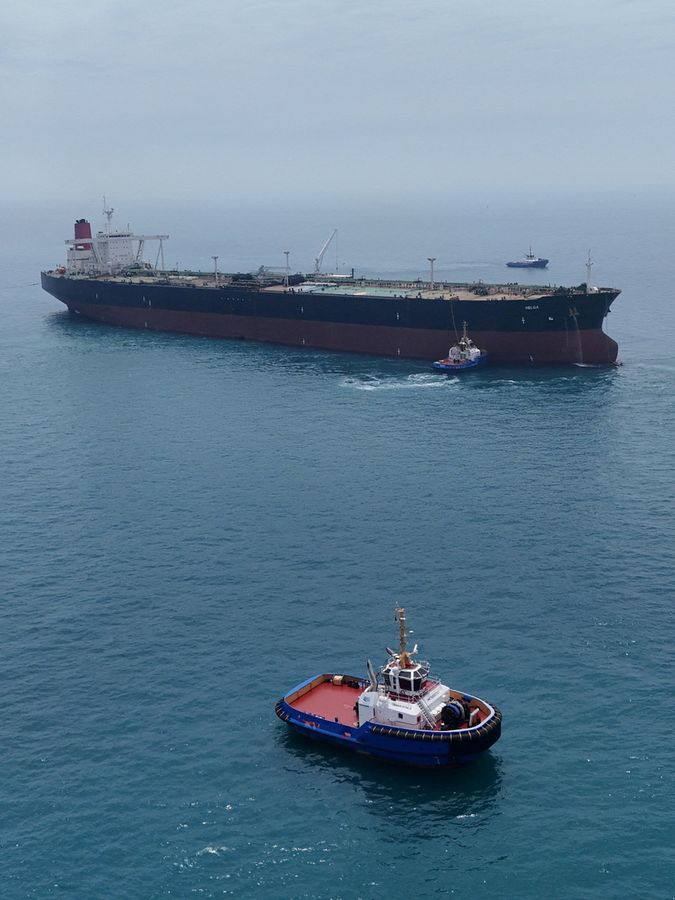
The rebound came after a recovery in shipments via the Strait of Hormuz, which were set to hit about 7.4 million bpd this month, the data showed, as Saudi Arabia diverted exports from the Red Sea port of Yanbu to its eastern Ras Tanura port following attacks that damaged its East-West pipeline.
“Despite more vessel traffic through the Strait of Hormuz, flows remain below pre-conflict levels, keeping the market undersupplied,” UBS analyst Giovanni Staunovo said.
Brent edged up 0.4 percent last week, but WTI lost more than 7 percent on concerns that the US may ban diesel exports to ease record prices, which could curb US refining output.
European low-sulphur gasoil’s premium to Brent crude futures hit a record of about US$95 a barrel last week after Trump said he backed the idea of a diesel export ban to lower prices that have hit record highs owing to a global supply shortage.
Goldman Sachs said that while Europe and especially Latin America are the key destinations for US diesel exports, a diesel tightening shock would likely quickly spread to the rest of the world including Asia as Latin America and Europe start pulling harder on remaining diesel barrels from countries such as India.
“We estimate that each week of a US diesel export ban would raise European wholesale diesel (ARA gasoil) prices by US$3/bbl, or just under 2 percent,” the bank added.
Elsewhere, Ukraine’s military has struck Russian oil facilities in the Krasnodar region, President Volodymyr Zelenskiy said on Monday.
Reuters