Through material innovation and interdisciplinary leadership at HKICE, Prof Wenjun Zhang is shaping how energy can be stored longer, safer and smarter
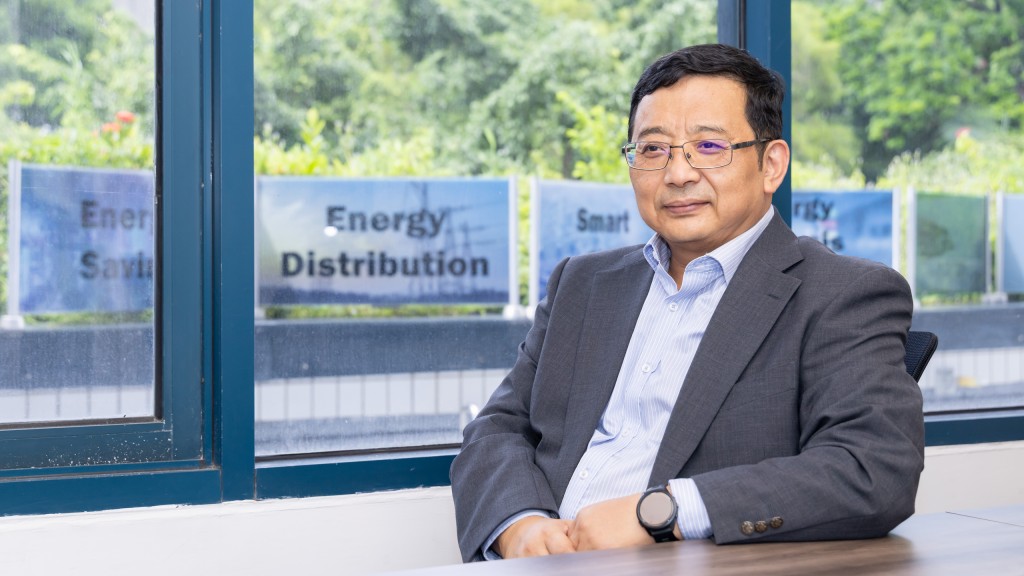
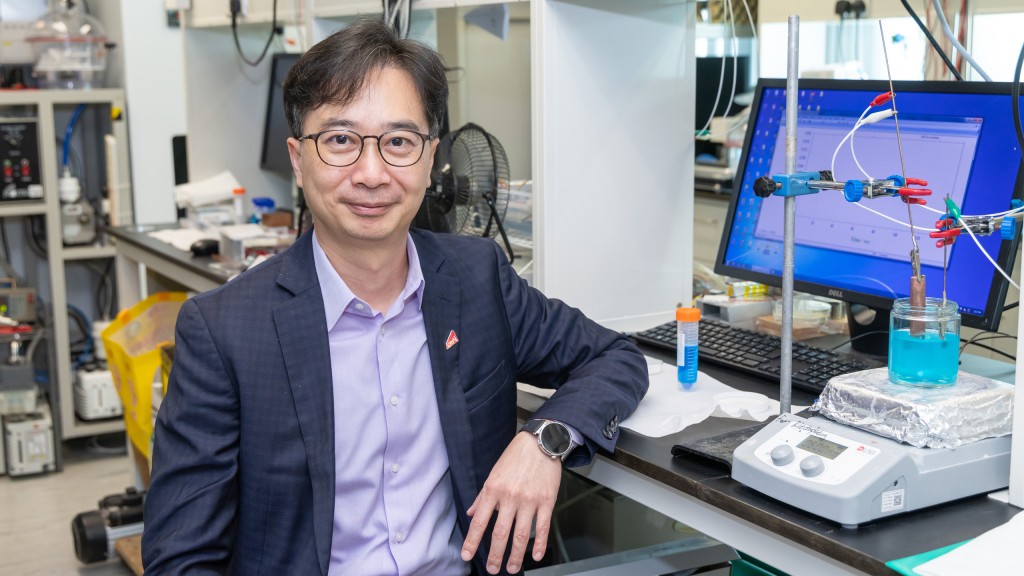
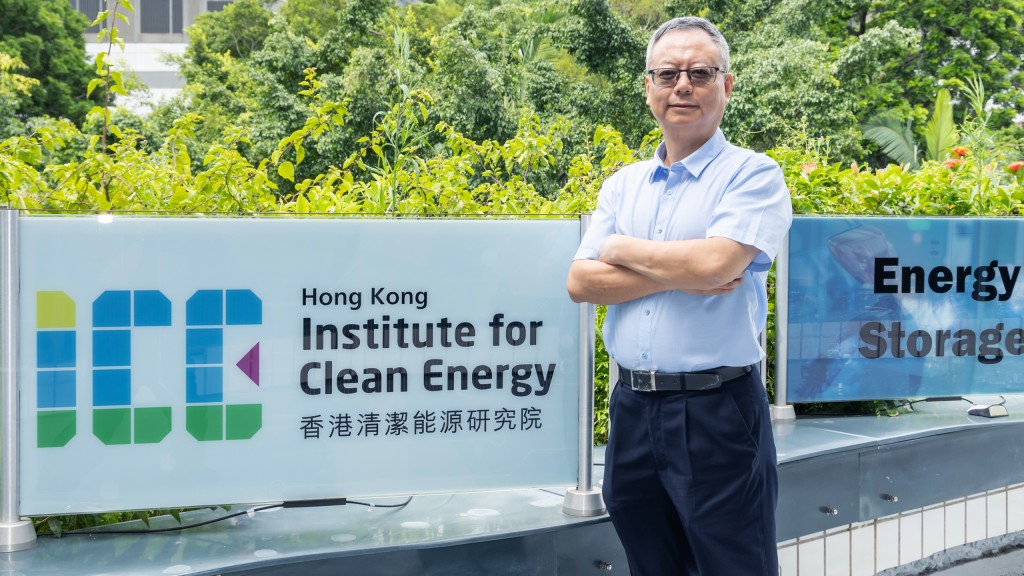
Professor Wenjun Zhang, Associate Director of HKICE and Chair Professor in both Materials Science and Engineering, and Chemistry, is driven by a vision to make energy storage systems not only more powerful but also more enduring. His work spans nanostructured electrodes, thin films and long-cycle batteries.
At HKICE, his leadership adds a critical dimension to the Institute’s push towards integrating innovation, infrastructure and impact.
Merging Materials with Mission
At HKICE, Prof Zhang oversees cross-disciplinary initiatives that target the heart of sustainable infrastructure – how we store, manage, and recover energy at scale. He says: “Improving devices is only part of the plan. What we’re really doing is designing systems that could one day power entire neighbourhoods.”
In his capacity, he helps shape the Institute’s research strategy on energy storage by working closely with collaborators in the power, utility, and manufacturing sectors. He explains: “Hong Kong’s size is an advantage. It’s a compact, complex city with modern infrastructure and policy support, making it perfect for proving smart energy systems in real-world urban environments.”
One of his major initiatives focuses on strengthening HKICE’s internal research environment by building synergy among physicists, materials chemists, and engineers to jointly tackle system-level challenges.
He has helped establish monthly research forums and actively supports international collaboration through events such as the Institute’s recent conferences with Nature Portfolio, CNRS, and EPFL.
He envisions HKICE as a model not just for Hong Kong, but for any dense, tech-forward city. “We want HKICE to be known globally, not only for its science, but for its ability to deploy science where it matters most.”
Electrodes, Films, and Breakthrough Devices
Outside of his HKICE responsibilities, Prof Zhang has built an impressive research portfolio focused on advanced materials for energy storage and electrocatalysis. He is internationally recognised for breakthroughs in electrode architecture, thin films, and nanostructured coatings.
His team has patented novel electrode systems that engineer porosity and tune oxidation states to achieve high conductivity, fast charge transport, and mechanical resilience. “Electrodes are not passive. In fact, they are active systems which we engineer like we design engines.”
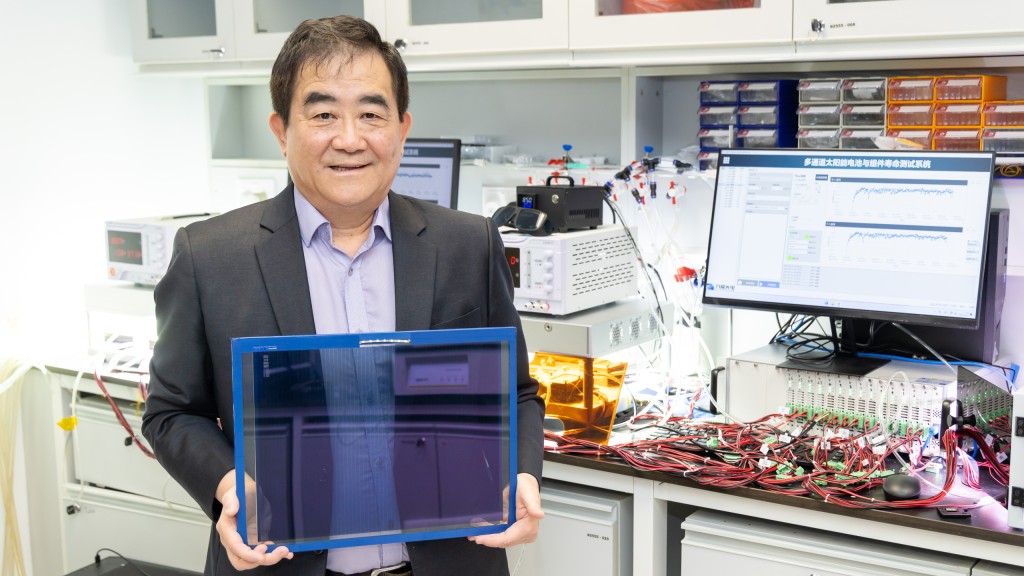
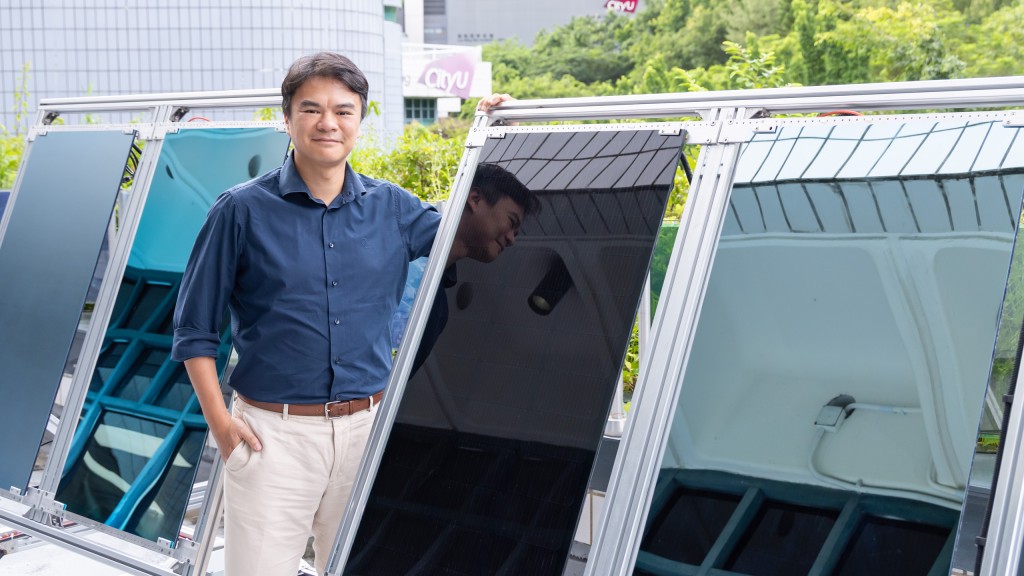
He also leads projects developing multifunctional films with properties such as self-healing, anti-fouling, and thermal regulation. These coatings are designed for integration into diverse devices from solar panels to wearable devices. “We want to create materials that adapt, not just perform,” he explains.
With more than a dozen patents and a portfolio of high-impact publications, Prof Zhang continues to push the boundary between academic research and industry relevance.
Personal Purpose, Scientific Discipline
Prof Zhang’s research ethos is grounded in consistency, discipline, and long-term thinking. “Good research is like good farming,” he says. “You have to nurture the idea, let it take root, and be patient as it grows.”
His dedication to mentorship is just as strong as his scientific focus. He often reminds young researchers that breakthroughs are more likely to come from deep understanding and steady refinement than from dramatic leaps.
He also sees science as inherently social: “We need to talk beyond the lab. We need to engage with schools, with the public, and with policymakers. If no one understands your breakthrough, it will never break through.”
For Prof Zhang, the future of clean energy won’t be decided by one invention, but by how well we integrate a number of small, precise improvements into systems that serve people every day.