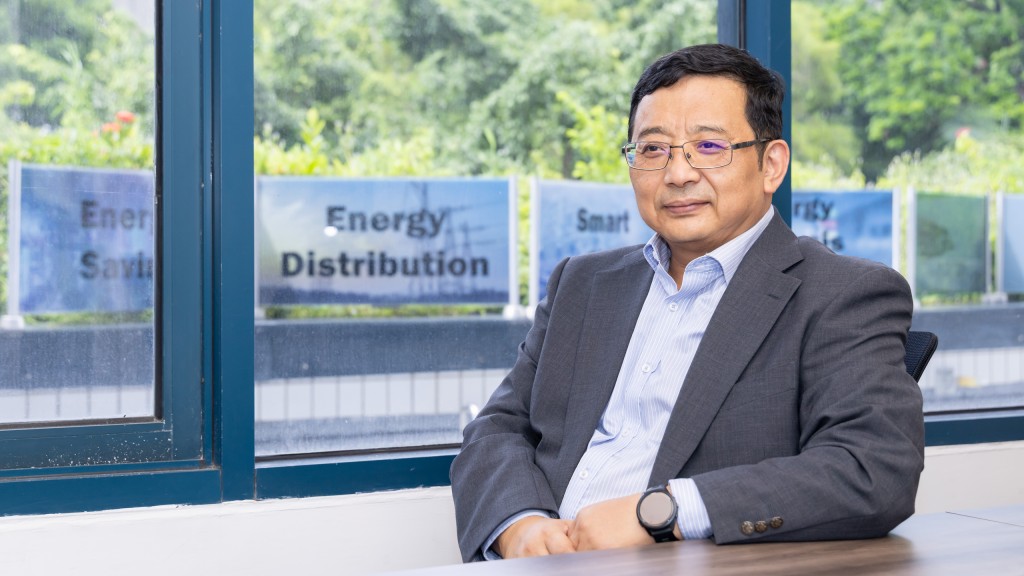
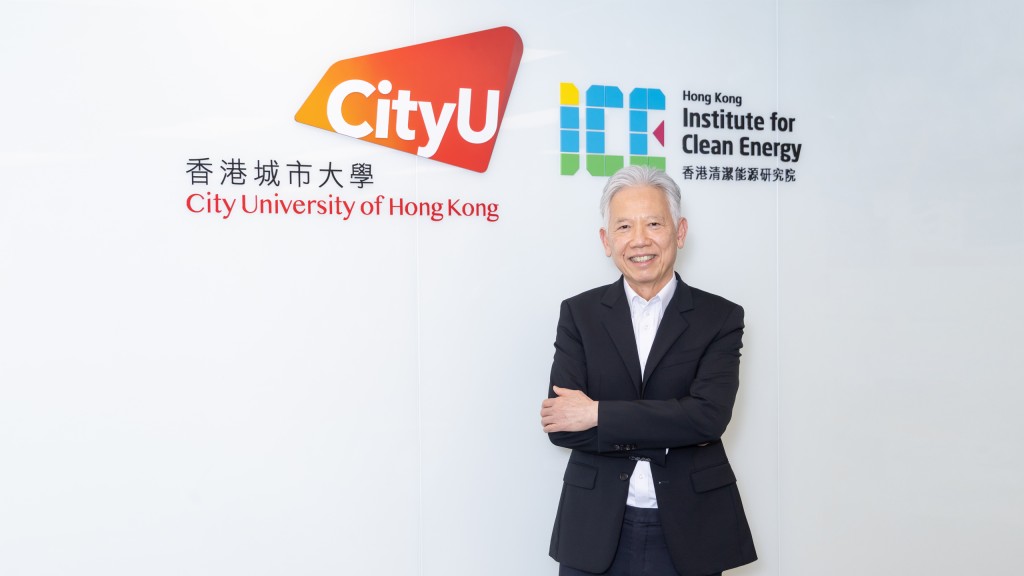
From phase engineered catalysts to interdisciplinary collaboration, Prof Hua Zhang leads HKICE with a vision rooted in science, impact and public engagement.
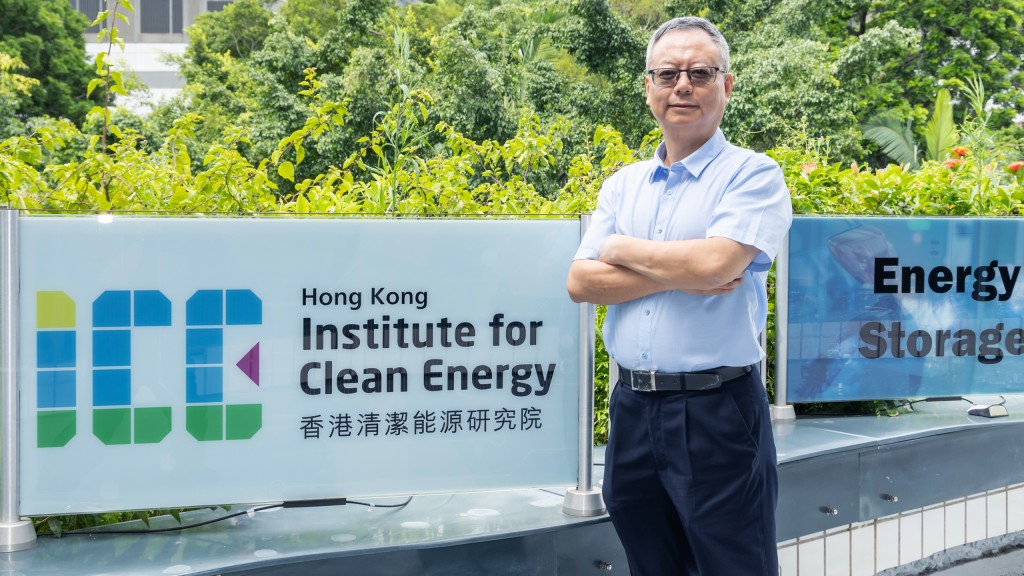
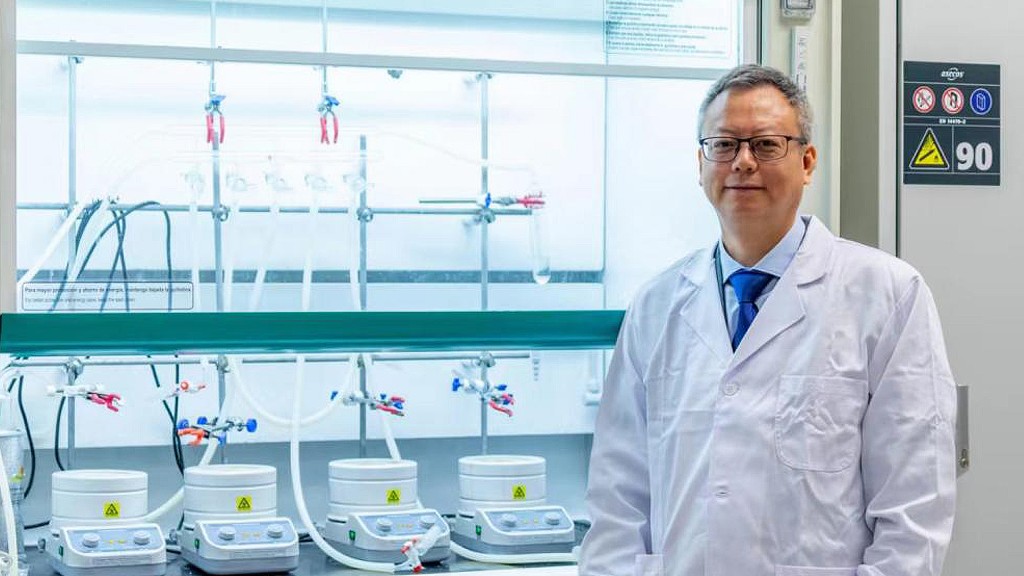
“Clean energy research should always strive for real-world impact,” says Professor Hua Zhang, Director of the Hong Kong Institute for Clean Energy (HKICE). “This is where we’re building the foundation for decarbonisation.”
As Director of HKICE, Prof Zhang has dedicated his career to developing scientific solutions that make clean energy more scalable, sustainable and transformative.
Known internationally for his pioneering work in phase-engineered nanomaterials (PENs), not only has Prof Zhang led breakthrough advances in hydrogen production and electrocatalysis but he has also shaped the strategic and interdisciplinary direction of HKICE since its formation.
Scaling HKICE’s Interdisciplinary Mission
Since its establishment in 2021, HKICE has grown into a thriving ecosystem of over 60 faculty members, shaped around key research pillars such as energy generation, storage, distribution, and efficiency, a transformation guided by Prof Zhang’s strategic vision.
His particular interest lies in translating fundamental nanomaterials research into actionable energy solutions, including hydrogen generation technologies that use solar/electricity-powered water splitting.
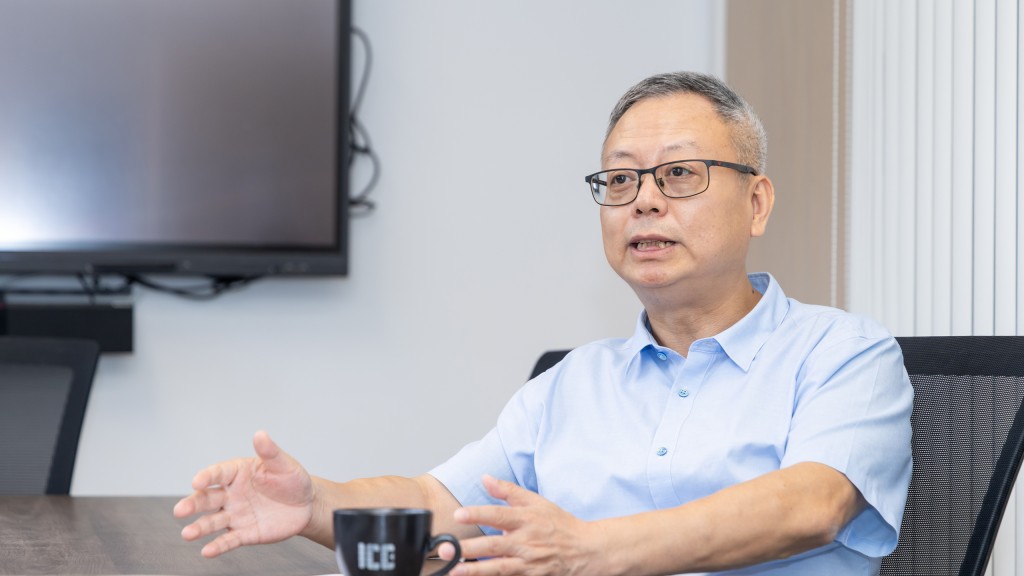
“HKICE is a platform that brings experts from different backgrounds together to solve one of the biggest challenges of our generation,” he explains. Clean energy, he believes, is a multi-disciplinary endeavour that connects science, engineering, policy, industry and education.
Prof Zhang has helped establish a culture of cross-sector and international collaboration by encouraging partnerships with government departments, local utilities and overseas academic institutions. He describes HKICE as a bridge “between research and application, between scientists and economists, between Hong Kong and the world.”
Equally committed to fostering talent, he is a vocal advocate for public engagement on the belief that nurturing energy literacy from secondary school is just as important as doing so at the university and postgraduate levels. “We need more young people who see clean energy not just as a career but as a shared mission,” he says.
He also plays a key role in strategic partnerships by joining forces with other key HKICE members to initiate joint research ventures, secure international grants and host high-level forums with collaborators across Europe and Asia. His efforts have made HKICE an increasingly visible player on the global clean energy research stage.
Breakthroughs in Nanomaterials and Catalysis
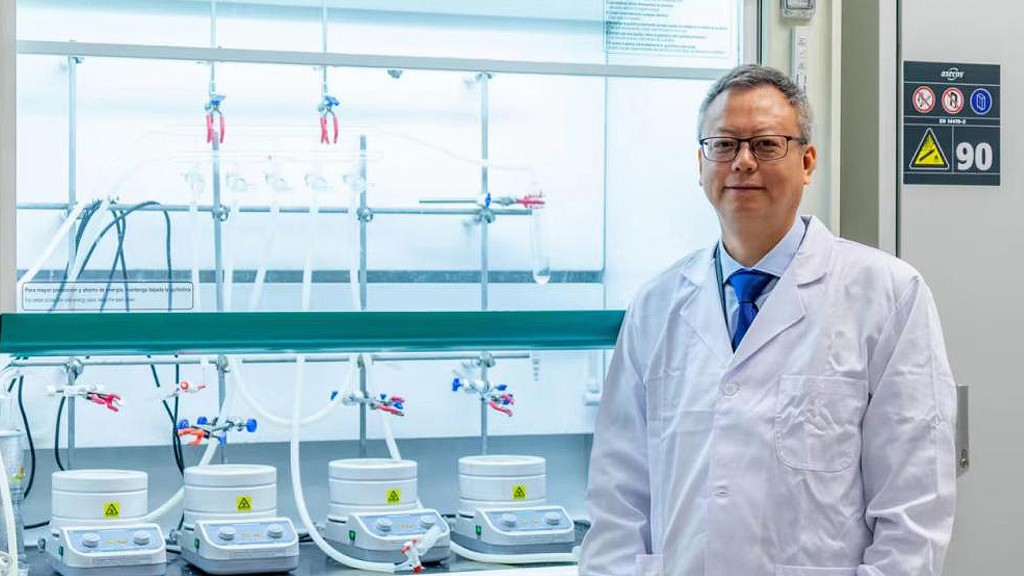
In addition to his vision for HKICE, Prof Zhang’s scientific credentials are just as impressive. “Creating new materials is only part of what we do. What also matters is understanding how to control them, atom by atom, so they perform exactly as needed for clean energy development and applications.”
He is one of the world’s most cited researchers in the field of nanomaterials, having contributed landmark studies on phase-engineered transition metal dichalcogenides (TMDs) and heterostructured catalysts for hydrogen evolution reactions (HER).
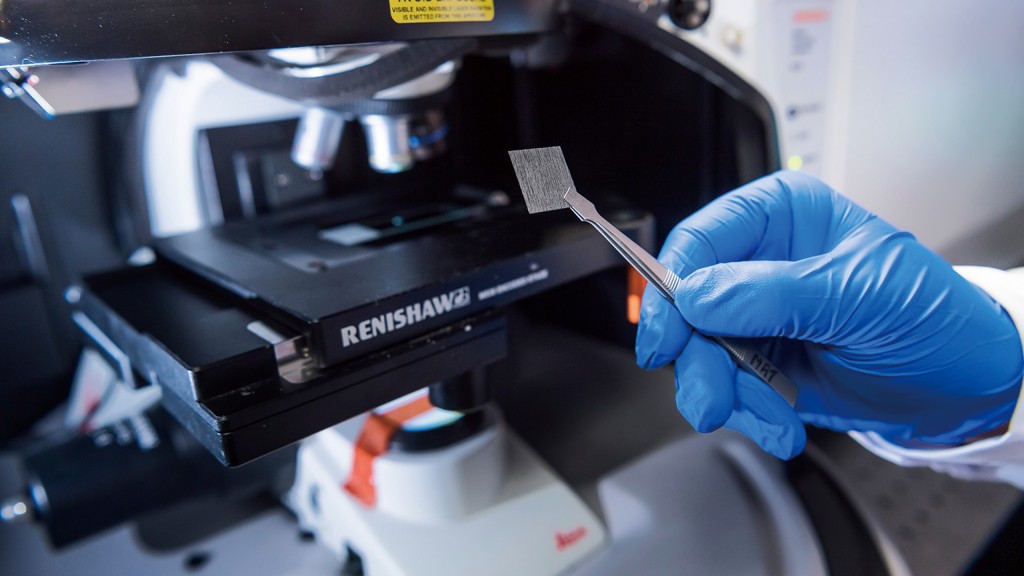
In more recent years, his team has developed TMD nanosheets with unconventional crystal phases that support single-atom platinum atoms for highly efficient electrocatalysis. These materials have demonstrated long-term stability and performance, including over 500 hours of operation in acidic HER environments.
“Phase engineering gives us the ability to ‘tune’ a material’s properties without changing its composition. That level of control is critical for catalytic efficiency and stability,” he explains.
Currently, his group is also exploring heterostructures that combine amorphous and crystalline phases, enhancing both photocatalytic activity and mechanical robustness. These materials are designed to generate clean energy efficiently while being low-cost and easy to scale-up.
“If we want to make hydrogen truly green, we have to make its production simpler, safer and more scalable,” he notes.
A Scientist with Global Impact and Personal Purpose
Though internationally renowned and the recipient of awards such as the Croucher Senior Research Fellowship and the BOCHK Science & Technology Innovation Prize, Prof Zhang remains grounded in purpose.
“My hope is that we leave behind more than technology. I want to leave behind a mindset, a way of thinking about energy, responsibility and possibility.”
His career has taken him from top institutions in mainland China and Singapore to a leadership role in Hong Kong, and throughout he has maintained a passion for mentoring students and advancing public understanding of science.
Outside the lab, he truly believes in the power of knowledge sharing. He regularly delivers public talks and leads STEM outreach sessions in hopes of sparking curiosity in the next generation.
“And in addition to producing knowledge, we’re also obligated to cultivate talents who know how to apply it,” he says. To that end, he values interdisciplinary education, encouraging his students to explore not only chemistry and physics, but also policy, economics, and entrepreneurship.
“After all,” he adds, “clean energy is about making a better future, not just with better technology, but with more inspired people.”