Read More
Hong Kong stocks dropped 1.5 percent - a little more than 300 points - yesterday. In contrast, their Shanghai and Shenzhen counterparts finished the day higher on the first trading day since Beijing's big announcement at the end of the National People's Congress standing committee meeting.The episodes were interesting. Apparently, major players failed to turn the lack of an announcement on direct fiscal stimulus after the NPC committee meeting into an instant windfall.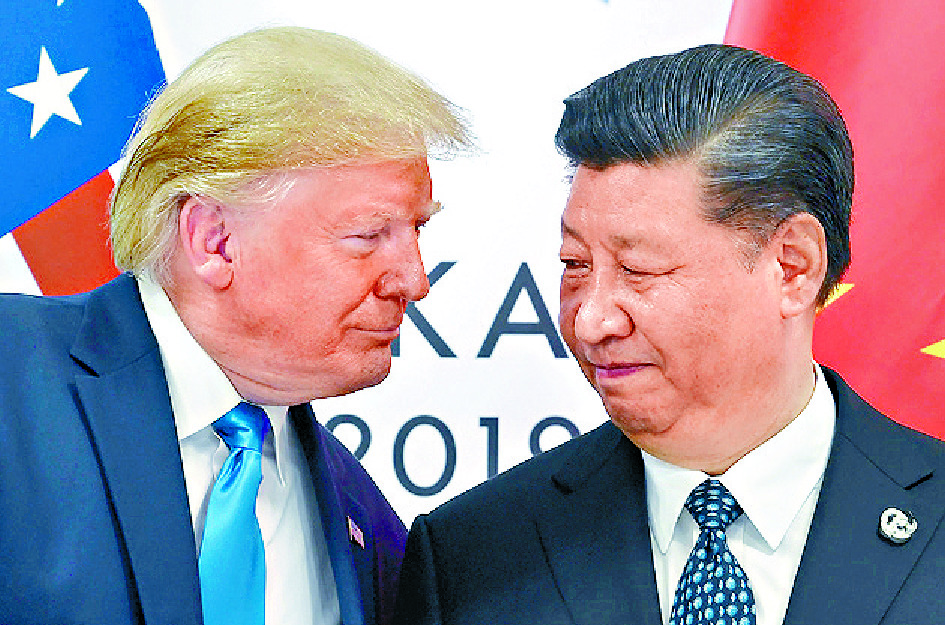
The one thing in common was that both local and mainland stocks defied a scary prediction over the weekend that they would crash in light of short positions built up in the grey market ahead of Monday's opening.
ADVERTISEMENT
SCROLL TO CONTINUE WITH CONTENT
Beijing's announcement of a 10 trillion yuan debt pack to restructure local government's massive "hidden debts" fell short of many people's expectations, which - realistically or unrealistically - had been elevated by major financial media outlets.
In a nutshell, the restructure package includes 6 trillion yuan of special bonds to replace local governments' "hidden debts"over three years and 4 trillion yuan of debt issuance over five years to help local governments trim interest payments by hundreds of billions of yuan.
But what about the promised direct fiscal stimulus?
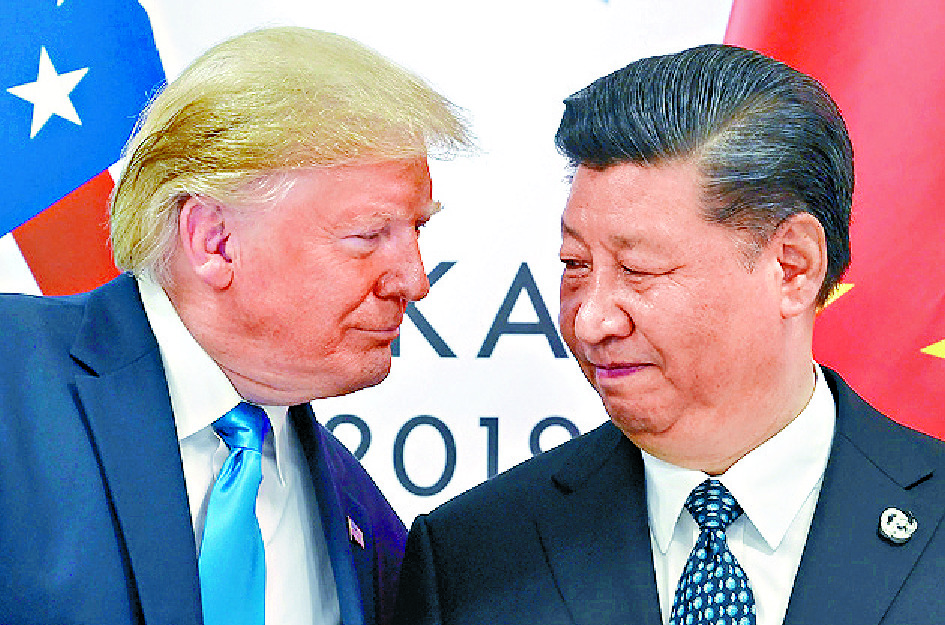
Finance Minister Lan Fo'an said on Friday that more support was coming, but he offered no details of the amount or the time scale.The debt restructuring program aimed at easing local government's fiscal pressure will be only part of the master plan that China has in store in preparation for the greater uncertainty that will almost certainly follow Donald Trump's election as the next US president.
The general consensus is that a new trade war between China and the US will be inevitable if Trump makes real his threat to impose tariffs in excess of 60 percent on Chinese imports.If this happens as feared, Hong Kong will unlikely be spared from the conflicts as the city is the nation's most important financial center.
Financial Secretary Paul Chan Mo-po faces a ledger book that is much difficult than before when he starts penning the next budget.And that is true for all other governments, each of which will have to update their responses according to their unique situations in the wake of the gigantic political shift in Washington DC.
Lan may stand accused of mincing his words when he kept the markets speculating about what Beijing may have up its sleeve. The markets continue to speculate in a positive direction that Beijing policy makers wish to see in the face of negative news on the political front.Perhaps Lan may be criticized for learning from Alan Greenspan or his successors at the US Federal Reserve: sometimes, keeping the matter vague while pointing to a likely direction can be more effective than laying bare everything on the table.
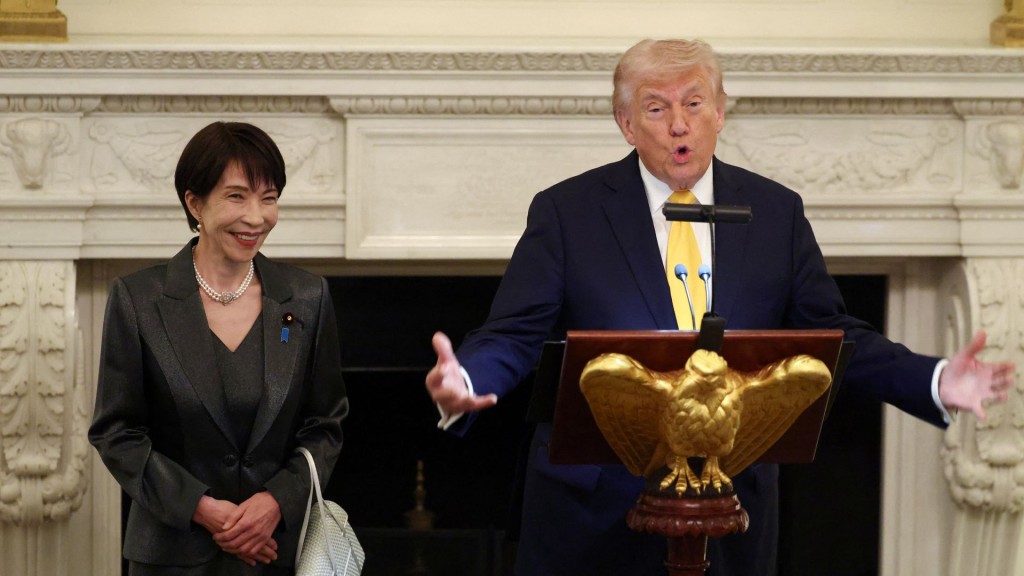
Trump will be sworn in on January 20.As China announced its local government debt restructure plan only after the US election, it is plausible that Beijing is postponing the announcement of direct economic stimulus until after Trump is officially sworn in.Donald Trump and Xi Jinping.