Read More




Six senior counsel appointed
31-03-2026 13:54 HKT
12 new biometric e-Channels launched in HK airport for document-free entry
01-04-2026 12:48 HKT
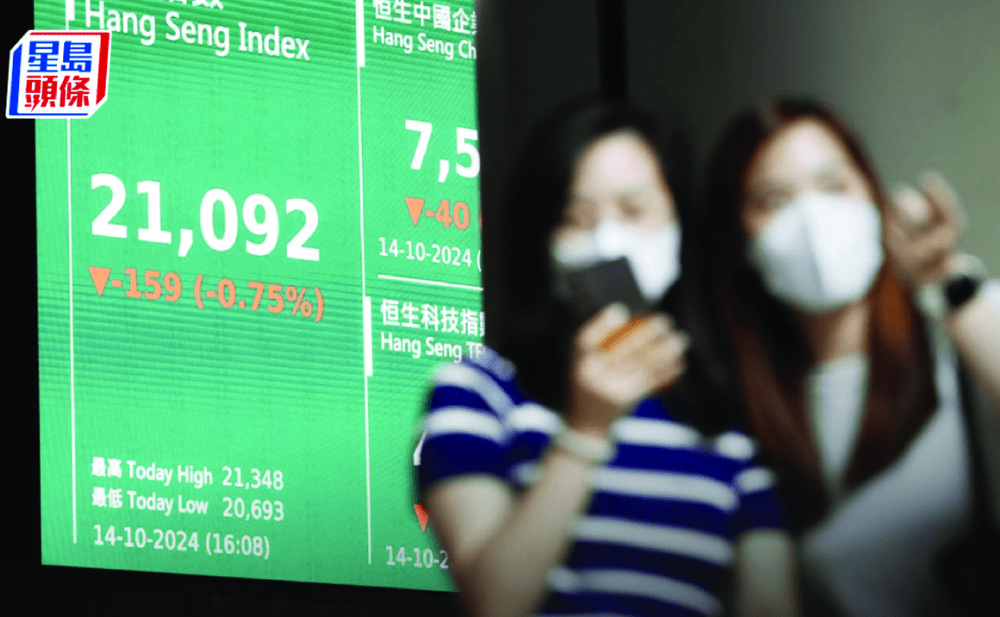
This largely sums up local sentiment about the announcement made by China's Finance Minister Lan Fo'an at a press conference on Saturday.
In contrast, mainland stocks performed better - in Shanghai, for instance, the local composite index gained more than 2 percent.
There is no question that reactions to the finance minister's announcement have been mixed.
Although Lan did his best to try and sound as positive as he could at the highly anticipated press conference, the lack of a dollar figure was just too obvious to ignore.The former Dongguan vice mayor announced four major points. And even though he also committed direct support to groups vaguely identified as essential, the media managed to mention the other three items more: namely bailing local governments out of debts, supporting the property market and replenishing state banks' capital.
The market had been attaching greater hopes on the finance ministry's event because it was directly in charge of the money.If the NDRC was not in a position to provide a sum, the ministry should be able to do so - but Lan's silence on the amount was an anti-climax.
Perhaps mainlanders have a better understanding of how the country operates.As soon as the People's Bank of China fired salvos of "quantitative easing" to reboot the economy, the tone was already set: the stimulus would be funded by borrowings, not the country's reserves.
As of April 2023, mainlanders were estimated to have deposited 274 trillion yuan in bank savings.It is believed that these savings will be tapped to provide a major funding source for the fiscal spending about which Lan was unable to commit a figure on Saturday.
The exact amount will have to be decided by a higher authority - either the National People's Congress or the NPC standing committee.This is similar to the US practice whereby it is up to Congress to decide how much the administration can borrow.
The divergent responses in the Hong Kong and mainland stock markets may also be understood through the "half-cup theory."According to this theory, pessimists would pay greater attention to the lack of any mention of a figure at the press conference, focusing on the empty half of the glass - as many did when the Hong Kong stock market opened yesterday.
Meanwhile, the more optimistic looked at the measures from bank-capital replenishment to the bailout of local government debts and the undertaking to support the property market, focusing on the water still in the glass rather than the empty half. Thus came the tug of war, which was not totally a bad thing as it showed investors were returning to sanity after an insane bullish run.