Read More
Who wouldn't be scared after being told that unwashed fuel tankers were being used to transport edible oil in the mainland?Predictably, the report led to a panic in the country and a sudden surge in demand for imported cooking oil.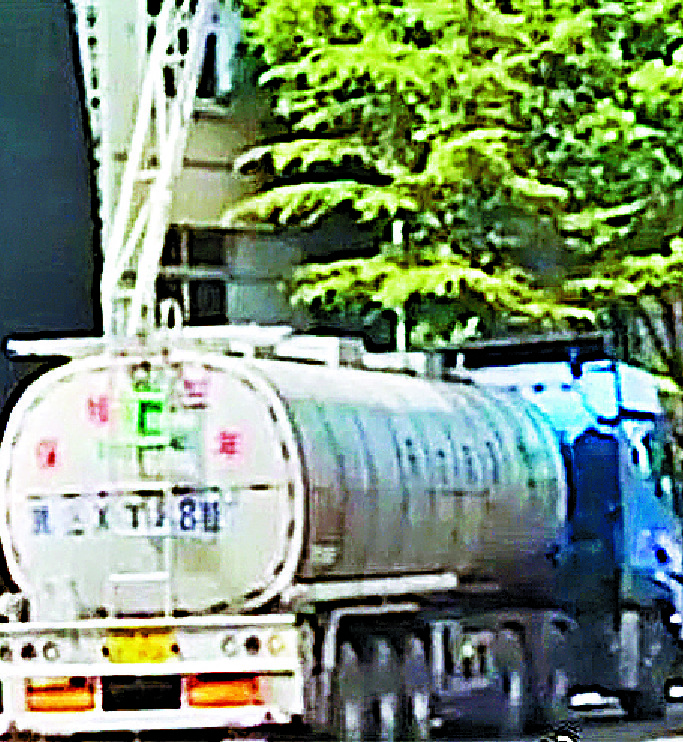
That was exactly the nightmarish episode that a Beijing News reporter exposed in a recent investigative report in which two major Chinese firms were found to have been using fuel trucks to transport cooking oil without washing the tanks between loads.
ADVERTISEMENT
SCROLL TO CONTINUE WITH CONTENT
Authorities, led by the country's State Council, have pledged a full investigation into the incident and ordered a crackdown on the unlawful practice that, nevertheless, was reported to be widely known about within the industry.
According to Beijing News and other media following up on the breaking story, it was common for transport companies to cut corners to save costs.
Worse still, they reportedly paid to obtain certificates supposedly issued by third-party cleaning companies to show clients that their tanks met hygiene standards.
It is not about a lack of food safety laws.The question is that, although regulations have been passed over the years to improve food safety, enforcement has been slack.
By the time breaches are discovered, the problem is already widespread.If it had not been for the outstanding investigative report by Beijing News reporter Han Futao, the public would have remained unaware of the scary practice.
The incident confirms once again the important role a fearless media can play in protecting the public interest.Following the report and the vast interest it has generated in the mainland, Han's Weibo account was found to have been deleted. An app allowing users to track the movement of trucks across the country was also disabled.
On the surface, China has some of the world's strictest food-safety laws, which have been amended several times since they were launched in 2009.For example, the country has guidelines recommending dedicated vehicles to be used for transporting vegetable oil.
But these are only recommendations and allow the industry to transport cooking oil after hiring specialists to clean the fuel tanks, which can be costly.It is not the first time the country has been hit by a food-safety scandal - similar unlawful practices of transporting edible oil had been reported in 2005 and 2015.
There was also the so-called "gutter oil" scandal in which cooking oil was recycled from drains and grease traps before being resold to restaurants.Every food-safety scandal in the past was followed by a major crackdown by the authorities.
In 2008, two businessmen were sentenced to death after they were found guilty of producing and selling infant formula laced with melamine in what was then known as the "big-headed babies" scandal that rocked the country in 2004.Unless people have respect for the health of others, the impact of any crackdown will be short-lived.
The cooking oil scandal shows China still has a long way to go to enhance food safety despite laws passed over the years to improve the problems.