Read More

Taxi e-payment ‘3pc fee’ notices spark debate on rollout day
02-04-2026 12:42 HKT

HK braces for natural gas shortage
02-04-2026 08:00 HKT
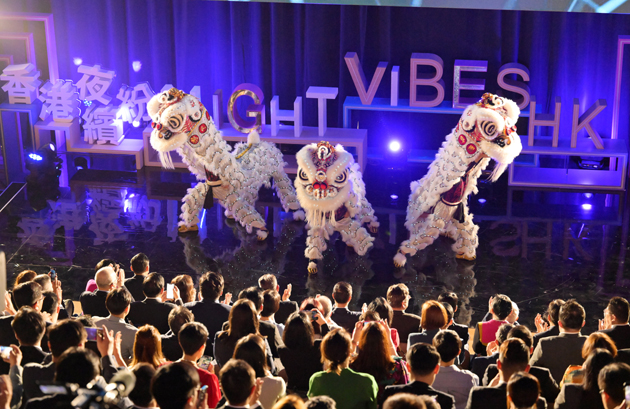
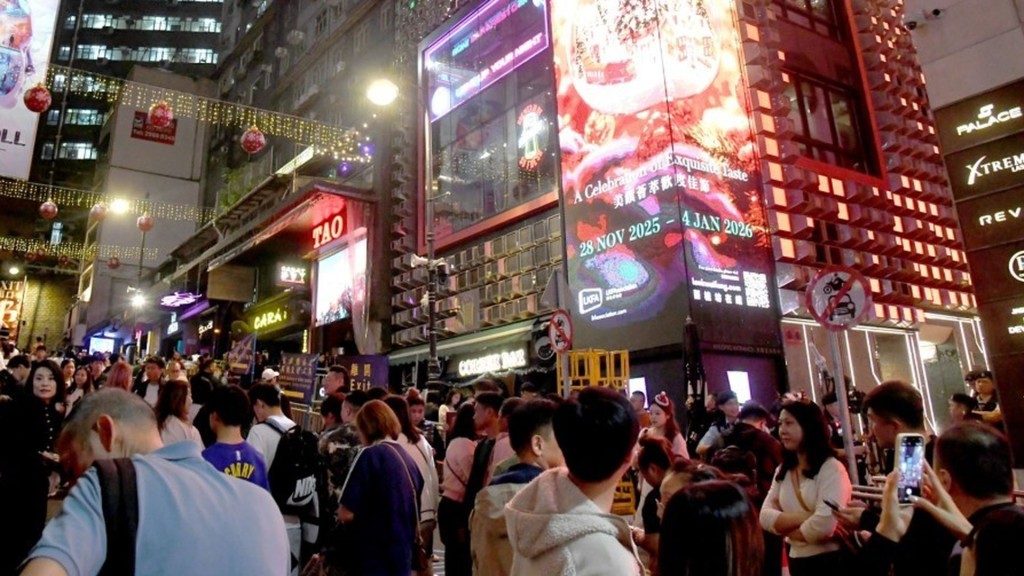
The much-anticipated campaign to revive Hong Kong's nightlife was officially kicked off last evening.
While the initial response was encouraging, it remains to be seen whether the vibes - the essence that Night Vibes Hong Kong is supposed to reinvigorate - will sustain over the longer term.
The government campaign may provide the stimulus but, eventually, it is up to market forces to keep the momentum rolling - and for the economy tied to the city's previously famous nightlife to roll big.
It was once said that Hong Kong never slept.
Many, including lawmakers, have correctly blamed three years of pandemic and social-distancing restrictions for the fundamental change in the way locals live.
Rather than going out at night, many have become used to staying at home for dinner while watching Netflix or live-streamed dramas.
The exchange rate has been unhelpful, too, although fewer critics have pointed this out. A weakened yuan has made it all the more attractive for an increased number of Hongkongers to cross the border for weekend leisure.
The launch of Night Vibes Hong Kong will help to bring the focus back to the city's sleepy nights following the pandemic.
Even though Hong Kong's economy involves far more than night-time economic activities, the campaign - if successful - will give it a much-needed boost.
There's no harm in trying.
Hong Kong right now has a stock market that badly needs a reboot and a struggling real-estate sector.
If the wealth effect is allowed to continue to diminish, the middle classes will become even less willing to spend the way they did when the stock and property markets were bullish.
Stock securities and real estate have a far more direct impact on the city's economic well being.
The government launched the campaign yesterday evening with a lengthy list of extended shopping mall opening hours and discounts as well as vouchers contributed by some participating businesses.
Deputy Financial Secretary Michael Wong Wai-lun should be given credit for filling the campaign with so much over such a short period of time.
On one hand, it demonstrates the absolute influence the government has over major business players, including developers that have opened upmarket shopping malls across the city.
On the other hand, it reflects how grave the situation must be, with small and medium shops desperate to see a return to the way of life before the pandemic when the city did not sleep.
The campaign includes highlights that span several periods between the Mid-Autumn Festival and National Day period later this month and the Lunar New Year.
There are also bazaars at the waterfront promenades in Kwun Tong, Wan Chai and Sheung Wan.
But Hong Kong Federation of Restaurants and Related Trades president Simon Wong Ka-wo raised a valid concern: if artists have to pay bazaar organizers HK$20,000 per hour in order to perform at the public venues, will they come forward at all?
Should the amount be set at a friendlier level?