Read More




Defying the demographic cliff: restoring hope
06-10-2026 04:56 HKT




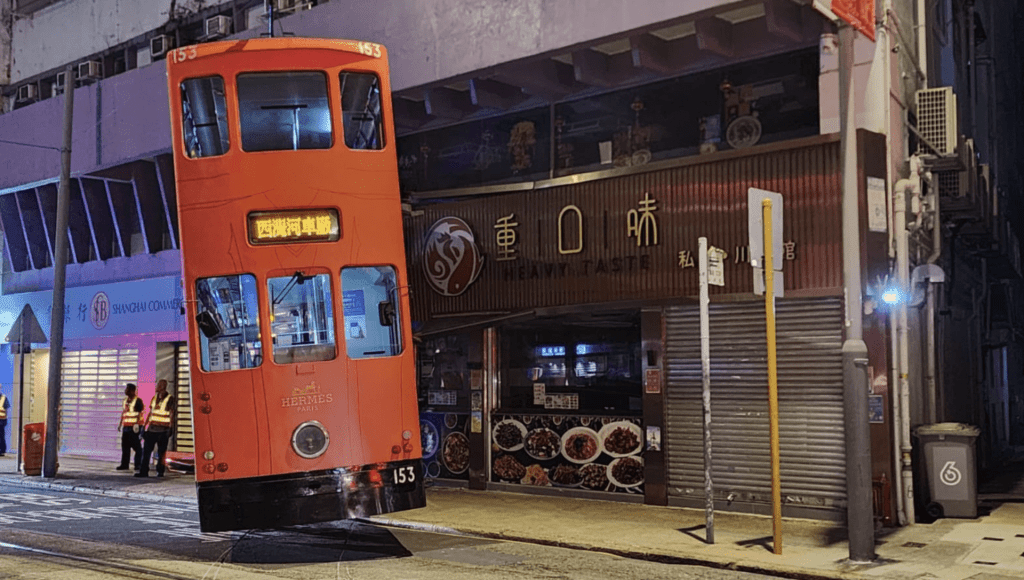
Tram derails and hits Shau Kei Wan shop
12-10-2026 02:30 HKT
Could the Housing Bureau be barking up the wrong tree when it asks members of the Housing Authority's subsidized housing committee to discuss a proposal to tighten the eligibility requirements of public housing tenants buying Home Ownership Scheme units?
It may be discovered very soon that the question before us has had little to do with the existing HOS policy, under which the "green form" arrangement is primarily aimed at encouraging sitting public housing tenants to return their rental units to the authority.
Rather, the question has more to do with an acute failure in enforcing policies regulating public rental housing.
Prior to the review today, public housing tenants using green forms have not been subject to similar restrictions facing private housing residents using white forms, so they are not required to similarly declare incomes and assets.
But is the authority unaware of the financial situation of the green-form applicants?
Contrary to the understanding of many, authority officials know - or they should know - because public housing tenants are required to answer surveys regularly in which they have to declare their incomes and other assets.
If they are making a lot of money, these tenants would have to pay the market rents that can be several times higher than the subsidized rents.
If they are honest enough to reveal that they own private residential properties in the city, they would lose their eligibility to live in public housing and have to return their flats to the authority within a reasonable period of time.
So HOS green-form buyers are presumed to be non-property owners.
The review being discussed today is prompted by the huge shock that Kwong Kau, the father-in-law of slain model Abby Choi Tin-fung, was found to have purchased an HOS flat in Kwai Chung a number of months after a luxury unit in Ho Man Tin was bought under his name.
In addition to the shock was the mortgage arrangement relating to the HOS purchase, which suggested Kwong had bought the HOS unit as a public housing tenant.
This housing fiasco should not have happened since any tenants owning private properties were supposed to have declared so accordingly. Then they would have lost their public housing as well as the chance to buy HOS flats with the green form.
Before us is likely more a case pointing to a severe shortfall in the enforcement of existing public housing policy rather than the policy regulating HOS sales.
Instead, the authority should step up enforcing policies regulating public rental housing.
It is reported that the proposed measures due to be discussed today include an extended ban on others named along with the tenants in the green form from owning residential properties in the previous 24 months.
It may sound sensible, but it could cause problems in practice. It is not uncommon for elderly housing tenants to include their children in the green form with a view to securing mortgages and to make loan repayments - and these children may be well established in their careers.
Will an outright ban on such cases defeat the objective to increase the turnover of public housing units?