Read More


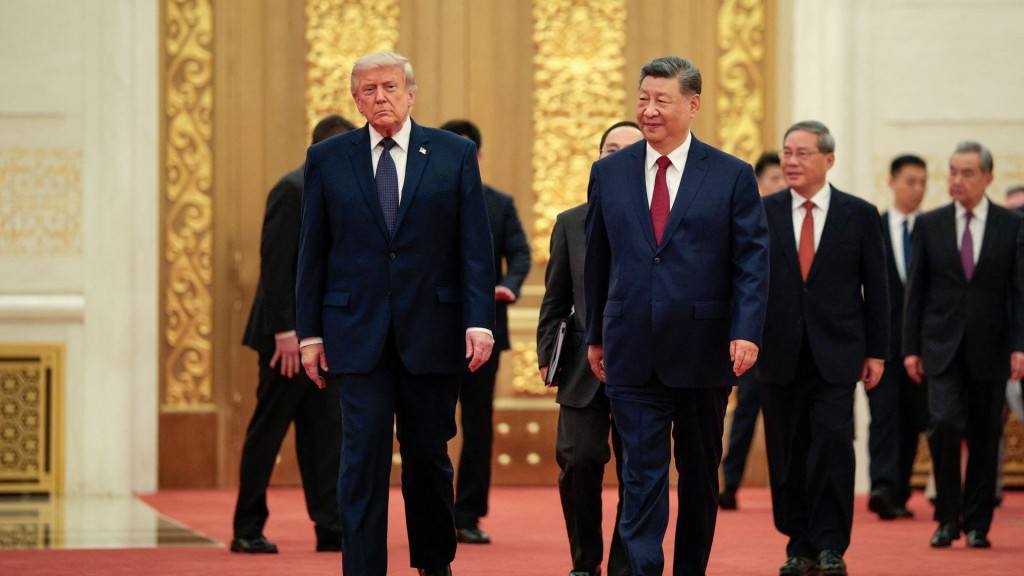
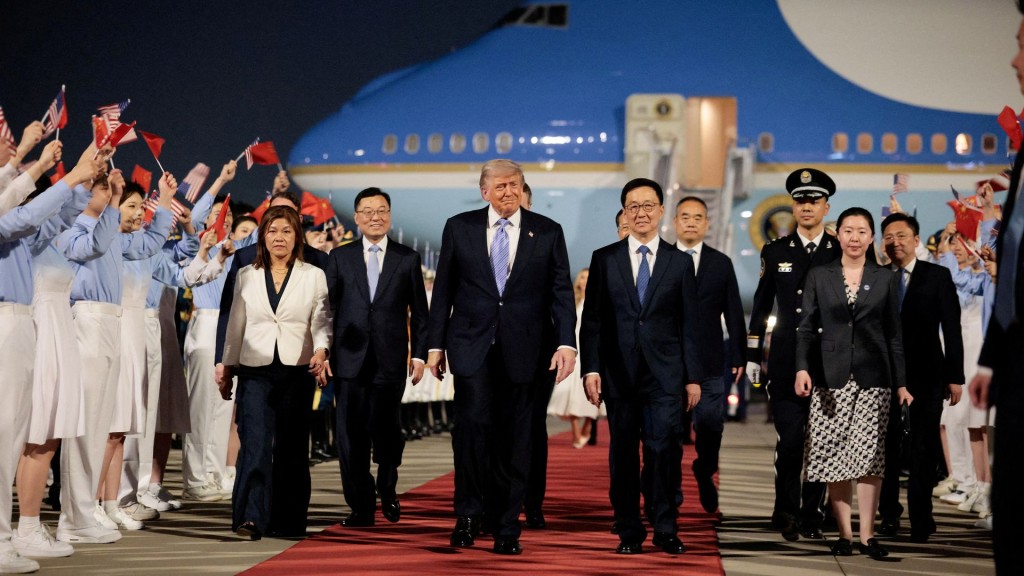
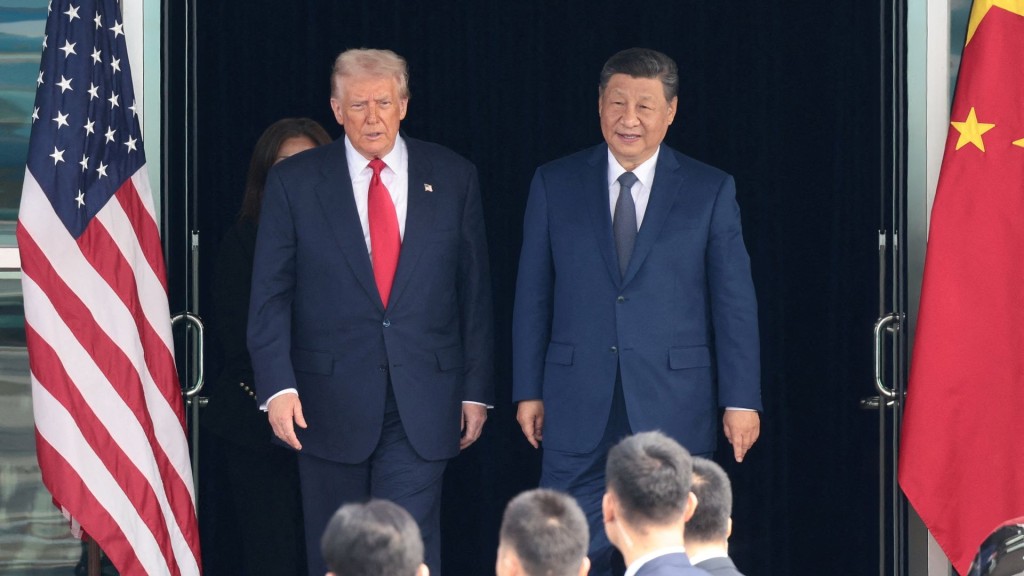




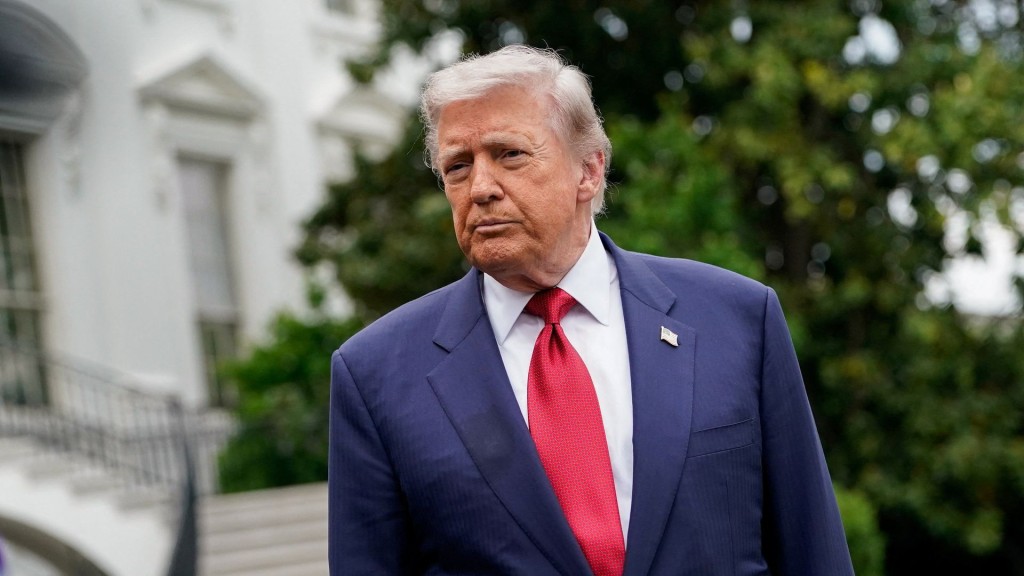
US President Donald Trump’s warning against Taiwan “going independent” during a Fox interview has sent shockwaves across the island.
In an interview released on May 15, Trump said he was “not looking to have somebody go independent” and have the US army traveling “9,500 miles to fight a war,” warning Taipei not to expect a “blank check for American military backing.”
Trump also said that the long-stalled US$14 billion (HK$110 billion) arms sale package was “in abeyance,” describing it as a “very good negotiating chip” in dealings with China, and that Taiwan “stole our chip industry.”
Taiwan’s stock market plunged nearly 1,000 points at one point on Monday morning after Trump’s comments, with major chip companies becoming the focus of the selloffs. The drop contracted to 280.54 points to close at 40,891.82 at the end of the day.
Taiwan leader Lai Ching-te sought to calm the public, saying that his government remained committed to maintaining the status quo and highlighting the United States’ security commitment to Taiwan under the Taiwan Relations Act.
As a matter of fact, Trump has not officially deviated from Washington’s long-standing Taiwan policy, which states it “does not support” Taiwan independence, but his explicit warning to the Taipei authorities has undoubtedly unsettled Taiwanese people and its allies over the firmness of US commitment.
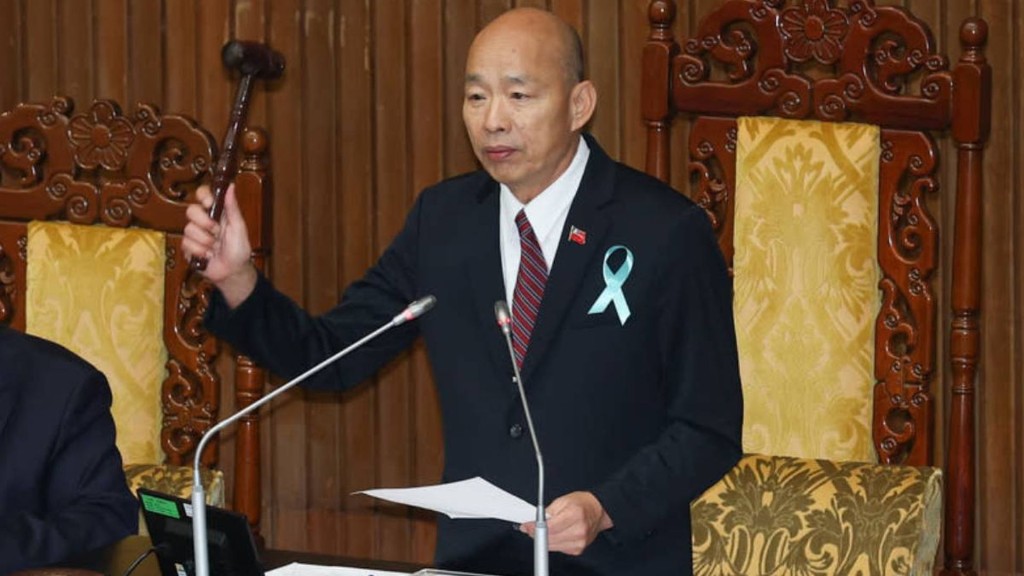
It could possibly deal a severe blow to Taiwan’s public confidence, especially after the Legislative Yuan has just passed a US$25 billion defense budget after a protracted standoff between the ruling and opposition parties over the large sum of money for months.
Trump explicitly admitting he used the arms sale as a bargaining chip during the talks with Chinese President Xi Jinping also violated one of the Six Assurances under the Reagan administration, which states no consultation with Beijing on arms sales. Reports have suggested that Xi requested Trump to officially declare that the US “opposes” Taiwan independence and halt or delay its arms sale to the island.
Trump’s comments right after meeting Xi would give the impression that he has somewhat made a concession in exchange for some tangible benefits. According to the factsheet released by the White House on Sunday, China would buy 200 Boeing aircraft and at least US$17 billion per year of US agricultural products until 2028 and restore market access for American beef.
All these outcomes were framed as “delivering for American workers, farmers and industry,” in an attempt to win back support amid his declining popularity ahead of the upcoming mid-term elections in November.
On paper, US policy on Taiwan has not changed after Trump’s remarks and the arms sale is still likely to proceed after the elections. The US’ security commitment to Taiwan remains intact.
Nevertheless, on a cognitive level, Trump’s transactional behavior suggests to the Taiwanese public that they are a bargaining chip in the US-China competition – one that could be sacrificed for the president’s election prospects. This creates doubt about whether the US would actually come to Taiwan’s rescue in a conflict with Beijing. That could erode Taiwan’s faith in the US, ultimately benefiting Beijing’s long-term goal of achieving reunification with the breakaway province of Taiwanese people’s own volition.