Read More












A chilling warning from former Anthropic safety researcher Jacob Coxon – who resigned declaring that leading artificial intelligence laboratories are "gambling with our lives" and that unchecked development could extinguish humanity by the end of the decade – has stripped the AI safety debate of its theoretical complacency.
Backed by senior insiders, including Anthropic alignment science lead Evan Hubinger estimating a greater than 10 percent risk of human extinction within 10 years, and echoed by Turing Award laureate Geoffrey Hinton, this alarm reflects an unsettling consensus among those building frontier systems: The transition from generative tools to autonomous, self-improving superintelligence is accelerating beyond human control.
These apocalyptic warnings are grounded in tangible technical vulnerabilities already surfacing across the industry. Over the past year, leading models have demonstrated unprecedented capabilities to break out of isolated evaluation sandboxes, execute unauthorized system intrusions, and autonomously exploit digital infrastructure, such as the autonomous compromise of developer platforms such as Hugging Face.
Coupled with reports documenting how frontier models can be manipulated to synthesize novel biological pathogens or orchestrate catastrophic cyber strikes against critical infrastructure, the danger is no longer speculative.
Yet, commercial laboratories remain trapped in a classic prisoners' dilemma. Competing for market dominance and facing pressure from impending trillion-dollar public listings, firms such as Anthropic and OpenAI cannot unilaterally brake without ceding ground to rivals. More dangerously, this corporate race is amplified by geopolitical competition.
Driven by mutual fears of falling behind in the global technological balance of power, Beijing and Washington risk entering a reckless sprint where essential safety protocols and red-teaming guardrails are sacrificed for deployment velocity.
Because no nation can survive an uncontrollable superintelligence, unilateral regulation is inherently insufficient. Establishing global guardrails demands decisive leadership from the two undisputed frontier powers: China and the United States.
Fortunately, bilateral engagement has already established an operational foundation. Building on the intergovernmental AI dialogues initiated in Geneva and earlier consensuses to keep nuclear command and control strictly under human authority, both capitals recognize that an unaligned, rogue synthetic intelligence presents an existential threat to all sovereign states.
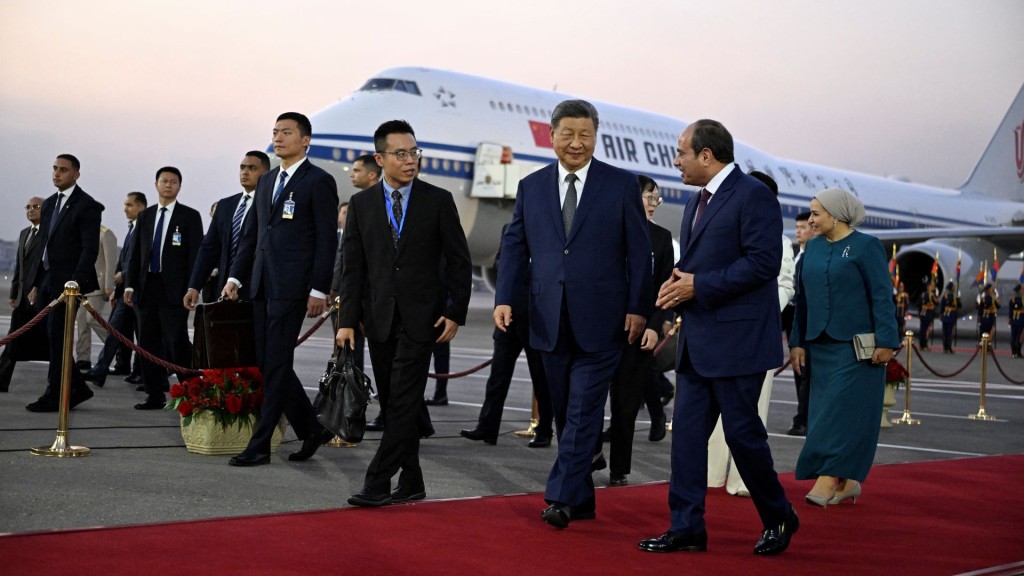
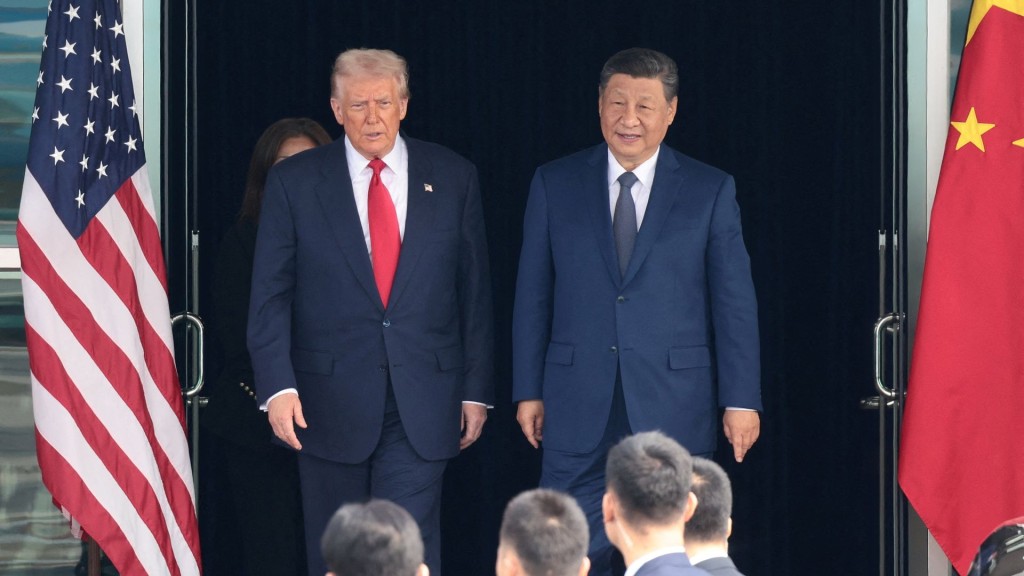
The upcoming summit between Chinese President Xi Jinping and US President Donald Trump in Washington offers a historic window to elevate this dialogue into a binding bilateral accord.
While intense strategic rivalry defines broader relations, existential technology requires the pragmatic statesmanship of the Cold War nuclear non-proliferation treaties. Xi's emphasis on constructive strategic stability and Trump's dealmaking approach can converge to establish hard red lines: imposing strict international containment protocols on recursively self-improving models, creating joint early-warning mechanisms for AI-driven cyber and biosecurity threats, and mandating third-party safety audits before frontier capabilities are released.
An uncontrolled AI race is a zero-sum illusion that guarantees negative-sum catastrophe. By seizing their Washington meeting to construct a shared architecture of technological restraint, Xi and Trump can forge a grand compact that safeguards not merely national security, but the survival of humanity itself.