






Read More



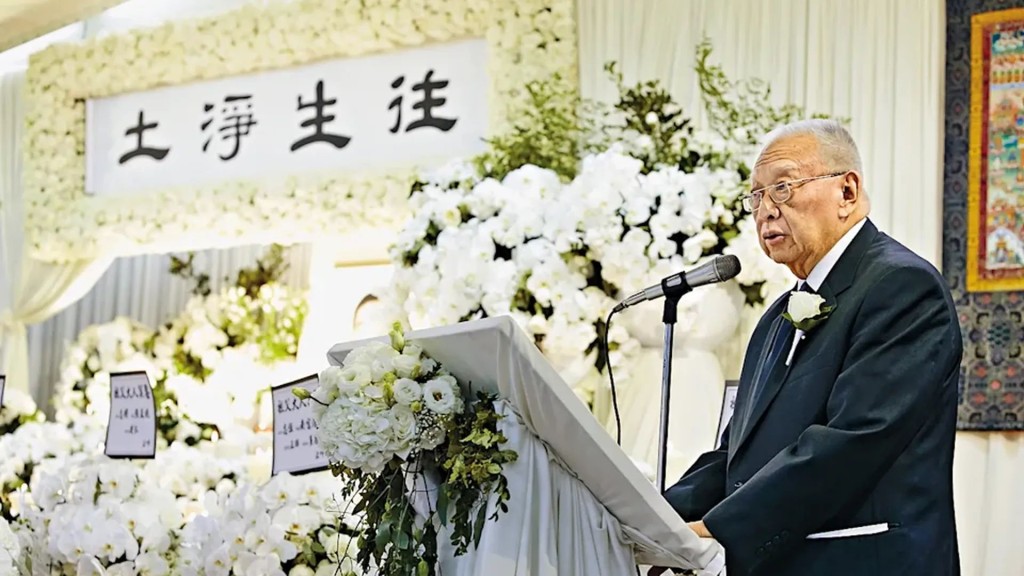
Tung Chee-hwa's funeral: Will HK see a third state funeral?
09-09-2026 05:37 HKT
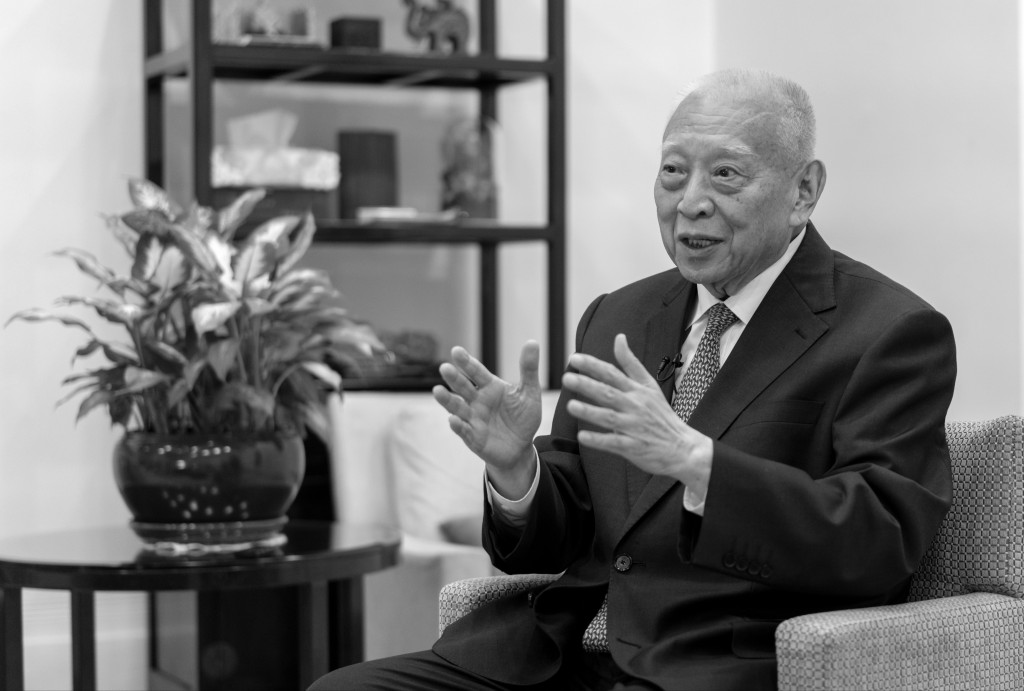
Hong Kong’s first chief executive Tung Chee-hwa dies at 89
09-09-2026 00:48 HKT


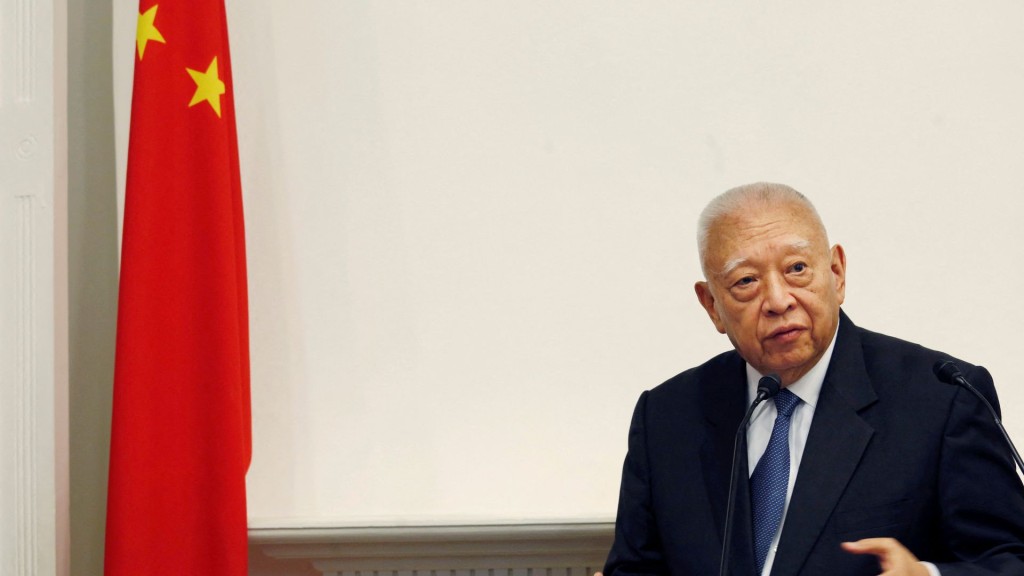
The passing of Tung Chee-hwa on the night of September 8 at the age of 89 closes a foundational chapter in modern Hong Kong history. As the territory's inaugural chief executive and later vice-chairman of the Chinese People's Political Consultative Conference, Tung shouldered the unprecedented responsibility of steering Hong Kong through its historic transition back to the motherland under "one country, two systems."
While his tenure from 1997 to 2005 was buffeted by relentless crises – from the Asian financial crisis and a collapsing property bubble to the SARS epidemic and fierce controversy surrounding Basic Law Article 23 – the passage of two decades provides essential historical distance.
In retrospect, history will judge Tung not by the immediate economic headwinds that tested his administration, but by the remarkable prescience of his long-term governance blueprints.
Born in Shanghai on July 7, 1937 – the day of the Marco Polo Bridge Incident that marked the start of China's full-scale War of Resistance against Japanese aggression – Tung's life mirrored the arc of modern national rejuvenation. Assuming office as Hong Kong's first Chinese leader following more than a century and a half of British colonial rule, he immediately diagnosed the vulnerabilities of the city's economic model.
Recognizing that late-colonial prosperity was dangerously dependent on financial intermediation and hyper-inflated property values, Tung sought to engineer comprehensive industrial diversification.
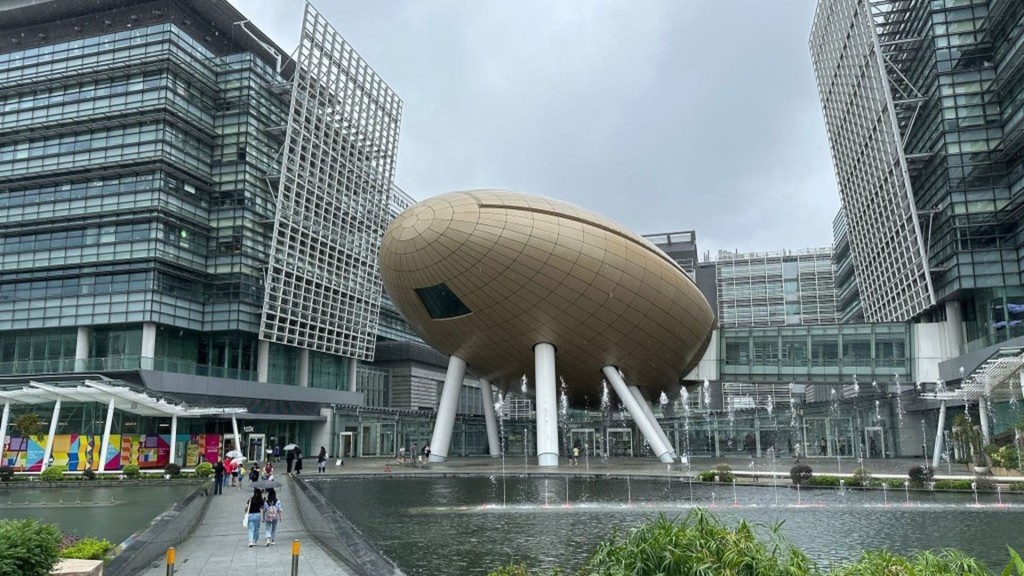
He laid the foundations of Hong Kong's modern knowledge economy by initiating Cyberport and the Hong Kong Science Park, conceptualizing a "Chinese Medicine Port," and securing Hong Kong Disneyland to anchor the modern tourism sector.
Simultaneously, to curb runaway speculation and address the housing shortages suffocating grassroots families, his maiden policy address pledged an annual supply of at least 85,000 housing units. When the Asian Financial Crisis struck, bursting the real estate bubble and plunging homeowners into negative equity, the "85,000" target became his most politically contentious policy.
Yet, viewed against the acute housing shortages that have afflicted the city in the decades since, Tung's ambition to expand structural land supply stands as an act of courageous social foresight, rooted in a deep commitment to the livelihoods of the Hong Kong people.
Tung's governing agenda was undeniably complicated by difficult timing. Facing severe macroeconomic shocks, his sweeping reforms encountered resistance from an entrenched civil service unaccustomed to proactive industrial policy, alongside mounting domestic political friction that he lacked the political experience to maneuver through during the early stages of the "one country, two systems" experiment.
However, the core priorities for which he faced contemporary criticism – the imperative to incubate deep-tech and biotechnology, the urgency of resolving deep-seated livelihood bottlenecks, and the necessity of safeguarding national security – have all been vindicated as the indispensable pillars of Hong Kong's contemporary governance.
Tung Chee-hwa served with genuine devotion to both the nation and Hong Kong, navigating uncharted waters with integrity and quiet resolve. While political crosscurrents shadowed his seven years in office, history offers a much fairer verdict. Hong Kong remembers a transitional pioneer whose structural foresight planted the seeds for the city's long-term resilience and reinvention.