
Read More
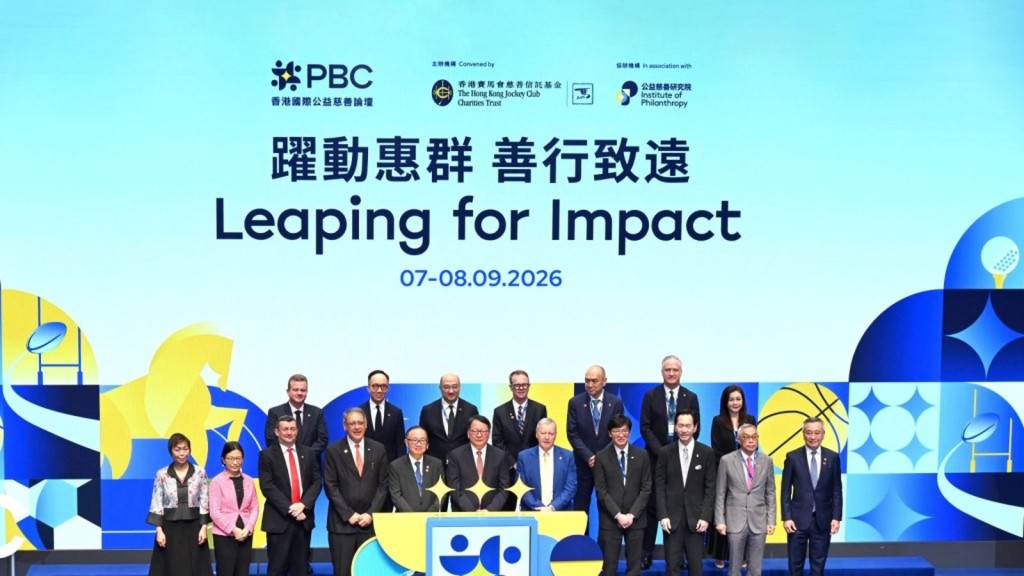
The convening of this year's Belt and Road Summit in Hong Kong reflects an accelerating realignment in global commerce. Anchored by an expanded Middle East Chapter and the debut of a dedicated Central Asia Chapter, the summit demonstrates how systemic geopolitical shocks – intensified by the protracted war in Ukraine and heightened tensions across the Middle East – are redrawing international trade arteries.
ADVERTISEMENT
SCROLL TO CONTINUE WITH CONTENT
As Western sanctions, trade barriers, and maritime chokepoints disrupt traditional supply corridors, non-aligned Eurasian and Global South economies are actively re-engineering their economic linkages. Within this reshaped landscape, Hong Kong is leveraging its institutional strengths under "One Country, Two Systems" to transition from a conventional financial conduit into a strategic clearinghouse for an emerging multipolar order.
Gold corridor and custodial neutrality
The tangible momentum of the newly inaugurated Central Asia Chapter was highlighted by a milestone memorandum of understanding signed between Hong Kong and the Central Bank of Uzbekistan to deepen bilateral gold market cooperation and financial market infrastructure.
As one of the world's leading gold producers and reserve holders, Uzbekistan's formal partnership with Hong Kong injects critical institutional momentum into the city's drive to establish an international bullion trading, clearing, and vaulting hub.
With Western sanctions weaponizing traditional financial architecture and excluding major Eurasian producers from European centers such as London and Zurich, resource-rich sovereigns require secure, politically neutral channels to monetize, vault, and settle their physical reserves.
By pairing common-law legal protections and high-security airport depository infrastructure with direct access to Asian capital pools, Hong Kong offers Central Asian producers essential insulation against unilateral external risks, anchoring physical bullion flows directly along the modern Silk Road.
Energy transition and capital conduits
This Eurasian pivot is matched by a strategic convergence between China and the Gulf states. As underscored by Qatari Prime Minister Sheikh Mohammed bin Abdulrahman Al Thani's visit to Beijing this week, Beijing and Gulf partners are actively consolidating cooperation across both traditional hydrocarbons and new energy frontiers.
While long-term liquefied natural gas contracts anchor basic energy security, Gulf economies are rapidly deploying vast sovereign wealth into the green energy transition, solar infrastructure, and clean technology.
Here, Hong Kong plays an irreplaceable role as the financial and transactional bridge. Through its premier green bond market, expanding Islamic finance frameworks, and multi-currency clearing infrastructure, the city can structure, de-risk, and syndicate capital-intensive energy projects linking Gulf liquidity with Chinese green-tech capacity.
Furthermore, as trade between China and the Middle East increasingly explores non-dollar settlement, Hong Kong's offshore Renminbi liquidity and participation in sovereign digital platforms like Project mBridge provide the neutral rails required to settle cross-border energy transactions seamlessly.
Beyond energy and gold, the overland multimodal corridors connecting Central Asia to the Persian Gulf – most notably the Trans-Caspian "Middle Corridor" – require sophisticated commercial arbitration, maritime law, and supply-chain financing.
By combining the deep-tech and advanced manufacturing prowess of the Greater Bay Area with Hong Kong's world-class professional services, the city is not merely hosting diplomatic summits; it is forging the institutional and financial sinews of a reconnected Eurasia.